
Sports participation offers tremendous benefits for children’s physical development, teamwork skills, and self-confidence. Athletic activities also come with real risks for dental injuries that can have lasting effects on your child’s oral health and smile. Knowing how to prevent and respond to dental sports trauma helps parents keep young athletes safer while they enjoy their favorite activities.
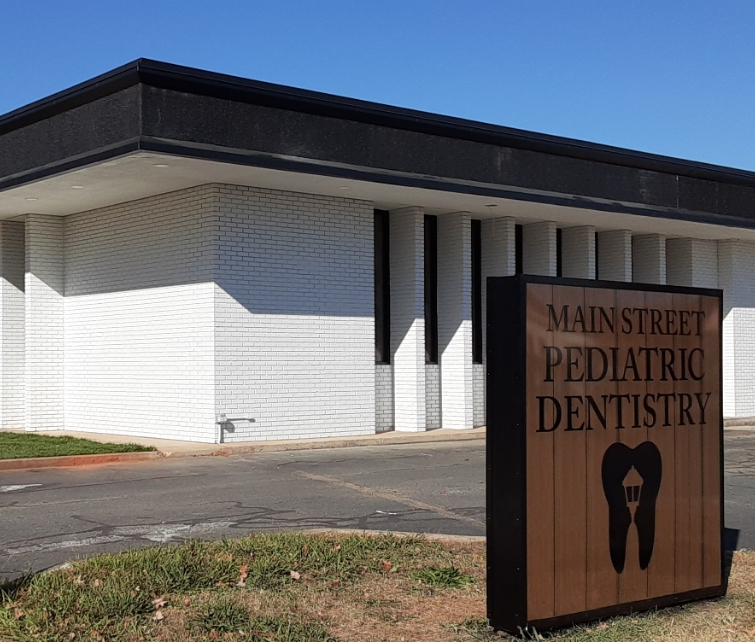
At Main Street Pediatric Dentistry of Belmont, Dr. Matthew Savage treats sports-related dental injuries throughout the year, from minor chips to more serious dental emergencies requiring immediate intervention. By taking proactive steps to protect your child’s teeth and knowing how to respond when injuries happen, you can minimize the long-term impact of sports-related dental trauma on your child’s oral health.
Common Types of Sports-Related Dental Injuries
Tooth fractures and chips: Fractured or chipped teeth are among the most common dental injuries in youth sports. These injuries range from minor chips affecting only the tooth’s outer layer to more severe fractures that expose the inner pulp. Even seemingly minor chips should be evaluated promptly, as they can lead to sensitivity, further damage, or infection if left untreated.
Basketball, baseball, and football are particularly associated with tooth fractures due to the potential for contact with balls, other players, or equipment. The impact force required to chip or fracture a tooth is surprisingly low, making protection essential even in sports that are not traditionally considered high-contact activities.
Knocked-out teeth: Complete tooth avulsion, where a tooth is fully knocked out of its socket, represents a true dental emergency requiring immediate action. The success of tooth reimplantation depends heavily on quick, appropriate response and prompt professional treatment. Permanent teeth have a much better chance of successful reimplantation than primary teeth, making proper emergency response critical for older children and teenagers.
Soft tissue injuries: Sports activities can cause cuts, bruises, and lacerations to the lips, cheeks, tongue, and gums. While these injuries may seem less serious than tooth damage, they can be quite painful and may require professional evaluation to ensure proper healing and to rule out more serious underlying damage to teeth or jaw structures.
High-Risk Sports and Activities
Certain sports carry higher risks for dental trauma than others. Contact sports like football, hockey, and lacrosse have well-documented associations with dental injuries, but many parents are surprised to learn that basketball and baseball also account for significant numbers of dental trauma cases each year.
Individual sports like cycling, skateboarding, and gymnastics can also result in dental injuries, particularly when falls or collisions occur. Even seemingly low-risk activities like playground games or physical education classes can lead to dental trauma when children collide with equipment, other participants, or hard surfaces.
Knowing the risk levels associated with your child’s activities helps you make informed decisions about protection and supervision while still allowing them to enjoy the benefits of athletic participation. The goal is not to avoid sports but to participate safely with appropriate protective measures in place.
Prevention Strategies for Athletic Dental Safety
Custom mouthguards: Professional custom-fitted mouthguards provide the best protection against sports-related dental injuries. Unlike store-bought options, custom mouthguards are designed specifically for your child’s mouth, ensuring proper fit, comfort, and protection. They are more likely to be worn consistently because they do not interfere with breathing or speaking during activities.
Custom mouthguards distribute impact forces across multiple teeth rather than concentrating them on individual teeth, significantly reducing the risk of fractures, chips, and complete tooth loss. They also provide cushioning for soft tissues, reducing the severity of cuts and bruises during impact.
Proper equipment and technique: Ensuring your child uses appropriate, well-fitted protective equipment beyond mouthguards can reduce overall injury risk. Helmets, face masks, and other protective gear should be properly sized and maintained according to manufacturer specifications and league requirements.
Teaching proper technique and emphasizing fair play also contributes to injury prevention. Children who know how to fall safely, avoid dangerous plays, and respect other participants are less likely to experience traumatic injuries during sports activities.
Emergency Response to Dental Sports Trauma
Immediate action steps: When dental trauma occurs during sports activities, a calm, quick response can make the difference between successful treatment and permanent damage. For knocked-out permanent teeth, time is critical. The best outcomes occur when teeth are reimplanted within 30 minutes of injury.
Handle a knocked-out tooth by the crown, avoid touching the root, and rinse gently if dirty. If possible, try to reinsert the tooth into its socket. If that is not feasible, store the tooth in milk, saliva, or a tooth preservation product while seeking immediate professional care.
When to seek professional care: Any dental injury during sports activities warrants professional evaluation, even if damage appears minor. Chips, cracks, or loose teeth may indicate more serious underlying damage that is not immediately visible. Trauma to primary teeth can also affect the development of permanent teeth beneath them.
Contact your pediatric dentist immediately for guidance on emergency care and to arrange prompt evaluation. Having emergency contact information readily available during sports activities ensures you can access professional guidance quickly when it is needed most.
Long-Term Considerations and Follow-Up Care
Dental trauma can have lasting effects that do not become apparent immediately after injury. Traumatized teeth may develop problems weeks, months, or even years later, making long-term follow-up care essential for monitoring healing and detecting complications early.
Regular dental exams allow your pediatric dentist to monitor previously injured teeth for signs of nerve damage, root resorption, or other complications that may require intervention. Early detection and treatment of these issues can often prevent more serious problems and help preserve your child’s natural teeth.
How effective is a custom mouthguard compared to a store-bought one?
Custom mouthguards made by your pediatric dentist offer significantly better protection than over-the-counter options. They are formed precisely to your child’s teeth and jaw, which improves both fit and comfort. Because they stay in place during activity and do not interfere with breathing, children are far more likely to actually wear them. Store-bought options often shift during contact, reducing their protective value.
What should I do if my child’s tooth is knocked out during a game?
Pick up the tooth by the crown, not the root, and rinse it gently with water if it is dirty. If your child is old enough and calm, try to reinsert the tooth into its socket and have them hold it there gently. If reinsertion is not possible, keep the tooth moist by placing it in milk or a tooth preservation kit. Call your pediatric dentist immediately, as reimplantation is most successful within 30 minutes of the injury.
Should my child wear a mouthguard for every sport, or only contact sports?
The American Dental Association recommends mouthguards for any activity that involves the potential for falls, flying equipment, or collisions. Basketball, baseball, cycling, and skateboarding all carry dental injury risk, even without direct body-to-body contact. When in doubt, a custom mouthguard is a simple and effective precaution that is worth the investment.
How do I know if a sports-related dental injury needs a same-day dentist visit?
Any knocked-out tooth, tooth that has shifted position, or fractured tooth should be seen right away. Other warning signs include persistent pain or sensitivity after the incident, visible cracks or chips, loose teeth, and soft tissue swelling or bleeding that does not resolve within a few minutes. When in doubt, call your pediatric dentist. Most offices can advise you over the phone about the urgency of the situation.
Protect Your Child’s Smile at Main Street Pediatric Dentistry of Belmont
Dr. Matthew Savage provides comprehensive care for sports-related dental injuries while helping families develop effective prevention strategies. With board-certified training in pediatric dentistry and a genuine commitment to keeping young athletes safe, Dr. Savage offers custom mouthguards, emergency care, and parent education to protect your child’s smile throughout every season of play.
Do not let dental injuries sideline your young athlete. Contact Main Street Pediatric Dentistry of Belmont today to discuss custom mouthguards and sports safety strategies tailored to your child’s specific activities.