
 A tiny row of pearly white teeth can go from healthy to damaged faster than most parents expect, sometimes before a first birthday party is even planned. Baby bottle tooth decay happens when sugary liquid sits against your child’s teeth for long stretches, most often from a bottle carried through naps or bedtime and it usually shows up first on the upper front teeth.
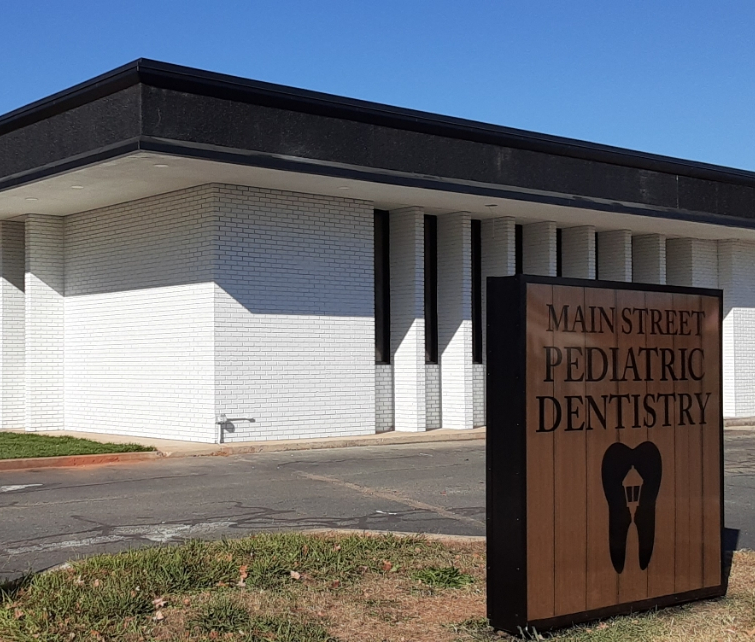
The good news is that small changes can make a big difference when baby bottle tooth decay is caught early. Regular dental exams give Dr. Matthew Savage of Main Street Pediatric Dentistry of Belmont a chance to spot changes in your child’s enamel before they become more serious. Understanding what causes this type of decay can also help you make simple adjustments at home to better protect those first teeth.
What Causes Baby Bottle Tooth Decay
Baby bottle tooth decay develops when milk, formula or juice pools around a child’s teeth for extended periods, giving bacteria in the mouth a steady supply of sugar to feed on. Every time your child sips something sweet, those bacteria produce acid that wears down the thin enamel on primary teeth, and repeated exposure without a break for saliva to rinse the mouth speeds up that process considerably.
The habit most commonly linked to this pattern is falling asleep with a bottle, because saliva flow slows during sleep and the liquid has nowhere to go but to pool around the teeth. Sharing spoons or cleaning a dropped pacifier with your own mouth can also pass decay-causing bacteria to your child, which is worth keeping in mind even though it rarely gets mentioned.
How Main Street Pediatric Dentistry of Belmont Helps Protect Your Child’s Smile
Prevention starts well before that first tooth even breaks through the gum line. Wiping your baby’s gums with a clean, damp cloth after feedings removes leftover milk residue, and once teeth appear, a soft-bristled brush with a small amount of toothpaste keeps them clean without irritating sensitive gums. Dr. Matthew Savage also offers in-office fluoride treatments that strengthen developing enamel and give your child’s teeth extra protection against acid attacks. A few simple habits go a long way toward protecting your child’s teeth. These include:
- Bedtime bottles: fill nighttime bottles with plain water instead of milk or juice.
- Weaning timeline: transition your child off the bottle around their first birthday.
- Shared utensils: use separate spoons and cups for your child rather than your own.
- Routine cleanings: schedule professional cleanings as soon as the first tooth arrives.
Building these habits into your daily routine takes very little extra effort, and pairing them with professional dental cleanings removes plaque before it can further weaken your child’s teeth.
Recognizing Early Signs of Decay
Catching baby bottle tooth decay in its earliest stage gives your child the best chance at a simple, comfortable fix. Chalky white spots near the gum line are often the very first sign, appearing well before any visible cavity forms and they represent an opportunity to reverse the damage with better home care and professional guidance rather than more involved treatment.
National research on early childhood caries backs up how common this issue really is. According to a study published by the Centers for Disease Control and Prevention, nearly one in four children between the ages of two and five have already had a cavity in a primary tooth and about ten percent of those children have a cavity that has gone untreated. If decay progresses further, Dr. Matthew Savage can address it with dental fillings designed specifically for small, developing teeth, restoring both function and comfort quickly.
Choose Main Street Pediatric Dentistry of Belmont for Your Child’s Care
Preventing baby bottle tooth decay does not require getting everything perfect. A few good habits at home, along with regular dental visits, can go a long way toward keeping your child’s first teeth healthy. Dr. Matthew Savage and our team at Main Street Pediatric Dentistry of Belmont can help you know what to watch for, answer questions about your child’s routine, and catch potential concerns early.
Your child’s early dental visits are also a chance to help them become more familiar and comfortable with going to the dentist. If you have questions about brushing, bottle habits, or anything you notice about your child’s developing smile, contact us to schedule a visit. We are always happy to help parents feel a little more confident about caring for those first teeth.