
118 N Main St, Belmont, NC 28012

Category: Pediatric Dentistry

girl in the dentist's chair
Categories

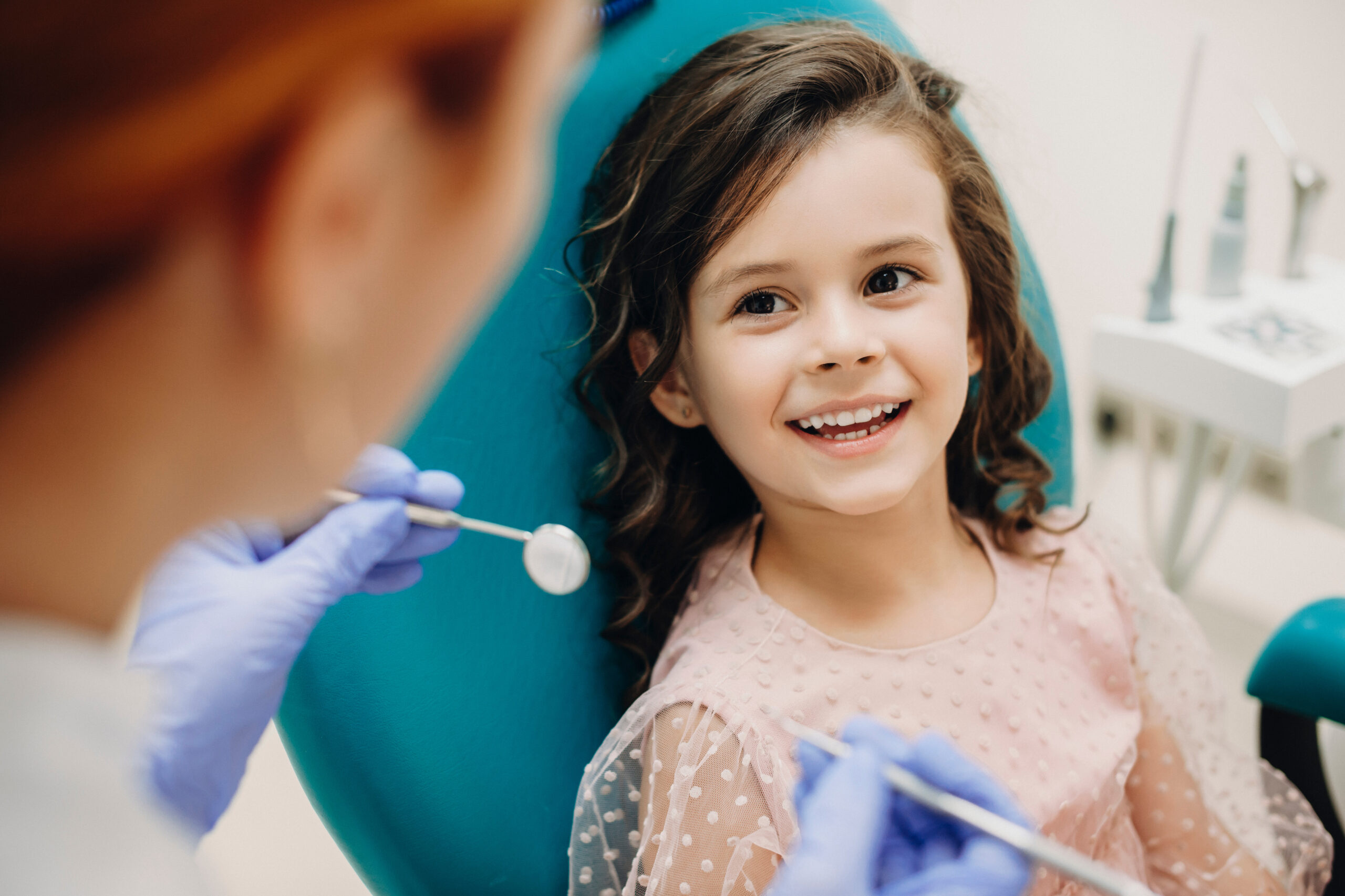
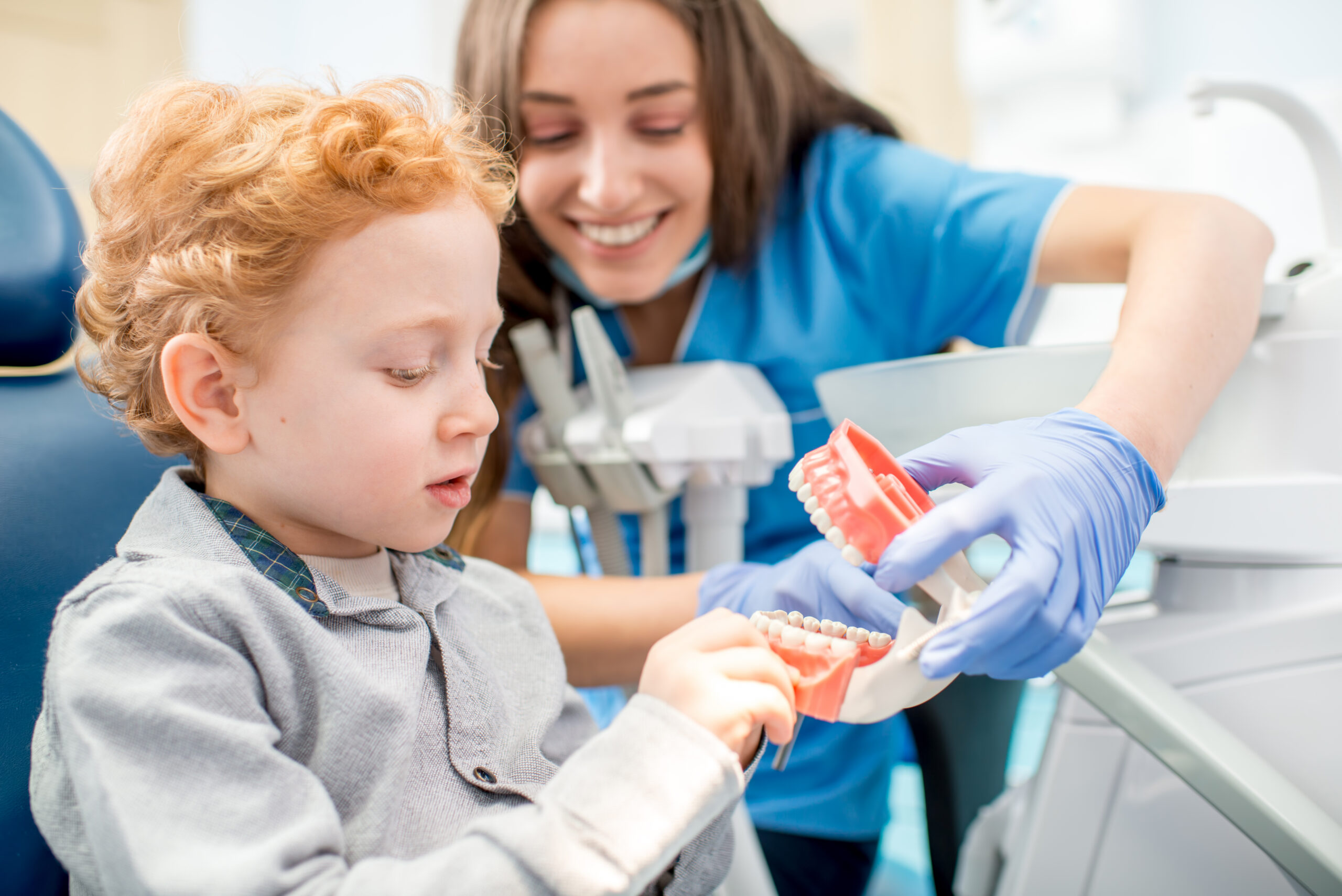
Adorable happy healthy boy smiling cheerfully at his dentist, sitting in a dental chair. Cropped shot of a professional dentist checking teeth of a lovely boy

Finding out your child has a cavity can feel like a lot to process, but getting a filling is one of the most routine treatments in pediatric dentistry.  Still, it’s completely normal to have questions: What will the appointment look like?  Will my child be comfortable?  What material will be used?  Taking time to learn the basics can go a long way in easing any worry before the visit, and it helps set the stage for a positive experience your child will carry with them.

At Main Street Pediatric Dentistry of Belmont, Dr. Matthew Savage takes a prevention-focused, gentle approach to every restorative treatment.  As a board-certified pediatric dentist with 20 years of experience, he knows how a child feels about the dentist today shapes how they feel about their health for years to come.  When a filling is the right next step, our goal is to make it as smooth and comfortable as possible for your child.

What Is a Dental Filling?

A dental filling is used to restore a tooth that has been affected by decay. Treating a cavity promptly keeps it from affecting the inner layers of the tooth and helps preserve as much healthy structure as possible.  Dr. Savage removes the damaged portion of the tooth and fills it with a restorative material to bring the tooth back to its normal function and shape.

It’s worth noting even baby teeth can benefit from fillings.  Primary teeth hold space for incoming permanent teeth and keeping them healthy supports your child’s ability to chew, speak, and smile with confidence.  Some baby teeth don’t exfoliate until about twelve years of age!  Having routine dental cleanings and exams, allows Dr. Savage to catch cavities early, before they require more involved treatment.

Types of dental fillings explainedFilling Materials Used in Pediatric Dentistry

Knowing what goes into a filling can help you feel more informed going into your child’s appointment.  Different materials serve different purposes, and the right choice depends on factors like the location of the tooth, the size of the cavity, and your child’s individual needs.

According to the American Academy of Pediatric Dentistry’s best practices on restorative dentistry, several filling materials are appropriate for use in pediatric patients, each with distinct clinical advantages.  The most commonly used restorative material options include the following:

  • Composite resin: A tooth-colored material that bonds directly to the tooth structure, making it a popular choice for visible teeth. It requires less removal of healthy tooth structure and blends naturally with the surrounding enamel.
  • Glass ionomer cement: A tooth-colored material that releases fluoride over time and adheres well to tooth structure. It is often used in situations where moisture control is more challenging or as an interim option for younger children.
  • Resin-modified glass ionomer: A hybrid that combines the fluoride-releasing benefits of glass ionomer with some of the strength properties of resin. It is a good fit for primary teeth in certain clinical situations.

Each of these materials is evaluated based on your child’s tooth anatomy, age, and the overall condition of the tooth.

What to Expect During the Appointment

Going into your child’s appointment, it can be helpful to have an idea of what to expect.

Before the Procedure

Your child’s appointment will start with a thorough review of the affected tooth, often using digital X-rays to assess the depth of the cavity. If the filling requires local anesthesia, Dr. Matthew Savage will apply a topical numbing agent first to minimize any sensation before the injection.  For children who experience dental anxiety or who need additional support, nitrous oxide (laughing gas) and sedation dentistry are also available to help them feel calm and at ease throughout the visit.

During the Procedure

Once the area is numb, the decayed portion of the tooth is gently removed and the space is cleaned and prepped.  The chosen filling material is then placed and shaped to match the natural contours of the tooth.  Depending on the material used, a special blue curing light may be used to harden the filling in place.

After the Procedure

Most children return to their normal routine shortly after the appointment.  Some mild sensitivity in the treated area is normal and typically fades within a few days.  Our team will walk you through any post-appointment care instructions before you leave, so you know exactly what to expect at home.

Supporting a Healthy Smile Going Forward

A filling treats the current issue, but protecting your child’s smile going forward is just as important.  Building strong habits at home, along with consistent professional care, significantly reduces the risk of new cavities developing.  Our guide to cavity prevention in kids is a great resource for families looking to support their child’s oral health between visits.

For teeth that have experienced more significant decay, a white crown or a stainless steel crown may be a better long-term solution than a filling alone.  Dr. Matthew Savage will always recommend the most conservative option that effectively restores the tooth and protects your child’s smile.

Schedule a Visit at Main Street Pediatric Dentistry of Belmont

When your child needs a filling, you want someone who will take the time to make the experience as comfortable and stress-free as possible. Dr. Matthew Savage is a board-certified pediatric dentist and the sole provider at our practice, which means your child sees the same trusted face every single visit.  That kind of consistency builds comfort, and comfort builds a foundation for lifelong healthy dental habits.

Main Street Pediatric Dentistry of Belmont is a locally owned practice in downtown Belmont, NC, dedicated exclusively to children’s dental care.  If your child has a cavity or you’d just like to get ahead of any concerns, we’d love to see them. Contact us today to schedule an appointment.

illustrations of dental sealants treatment before after

If you’ve heard the word “sealants” at your child’s dental visit and wondered whether they’re right for your child or when to get them, you’re not alone.  It’s one of the most common questions parents have, and it’s a great one to ask.  Dental sealants are one of the simplest, most effective tools available for protecting kids’ permanent molars from cavities, and timing plays a big role in how well they work.

At Main Street Pediatric Dentistry of Belmont, Dr. Matthew Savage takes a prevention-first approach to every child’s care.  As a board-certified pediatric dentist with 20 years of experience, he helps families see not just what pediatric dental services are available, but when and why they make sense for their child’s specific needs.  Sealants are a big part of that conversation and we’re happy to walk you through everything you need to know.

Dental sealants_ protection against decayWhat Are Dental Sealants?

Dental sealants are thin, protective coatings applied to the chewing surfaces of the back permanent teeth, specifically the permanent molars.  Dental sealants are not typically placed on baby teeth because they have a different decay pattern than permanent molars.  These permanent molar surfaces have deep grooves and pits that benefit most from added protection, even with good brushing habits, making them ideal candidates for this type of preventive care.

The dental sealant acts as a barrier, keeping food particles and bacteria from settling in before they have a chance to cause tooth damage.  According to the Centers for Disease Control and Prevention, sealants can reduce decay in molars by 80% in the two years following placement and continue to protect against cavities for up to four years after that.  For kids who are still building their brushing routines, that kind of coverage makes a real difference.

The Best Window for Dental Sealants

Timing matters when it comes to sealants and the goal is to get them placed as soon as the right teeth are fully erupted.  Children typically grow their first permanent molars around age 6 and their second permanent molars around age 12.  These are the two primary windows for sealant placement on permanent molars and catching both of them early is the most effective approach.

The sweet spot for most children falls somewhere between ages 6 and 14, which covers the eruption of both sets of permanent molars.  Getting dental sealants placed promptly after these teeth come in means they’re protected before decay has any opportunity to take hold.  Staying current with regular dental exams is the most reliable way to make sure we catch each tooth at the right time.

What to Expect During Your Child’s Sealant Placement Appointment

Sealant placement is one of the quickest, most comfortable procedures in pediatric dentistry.  The tooth is cleaned and dried, a mild solution is applied to help the sealant bond to the surface, and then the sealant material is painted on and hardened with a curing light.  The entire process for each tooth takes just a few minutes and requires no drilling or numbing.

Once the sealant is in place, your child can eat and drink normally right away. Sealants are durable and can last several years with proper care, though we check them at every visit to make sure they’re still intact.  If a sealant chips or wears down, it can be easily reapplied.  Keeping up with routine dental cleanings gives us the opportunity to monitor sealant condition consistently.

Sealants as Part of a Bigger Picture

Sealants are one layer of protection and they work best alongside a complete prevention routine.  Good brushing habits at home, a balanced diet, and professional fluoride treatments all contribute to a strong foundation for your child’s oral health. Together, these tools significantly reduce the likelihood of your child needing more involved dental work down the road.

If you’re curious whether dental sealants are the right fit for your child or want to learn more about what to expect, our overview of dental sealants is a helpful resource for families weighing their options.

Schedule a Visit at Main Street Pediatric Dentistry of Belmont

Dr. Matthew Savage is the sole provider at our practice, which means your child builds a consistent relationship with the same trusted dentist at every visit.  That continuity makes it easier to track developmental milestones, monitor erupting teeth, and recommend preventive treatments like sealants at exactly the right time.

Main Street Pediatric Dentistry of Belmont is a locally owned practice in downtown Belmont, NC, dedicated exclusively to children’s dental care.  If your child is approaching age 6 or 12, now is a great time to talk about sealants. Contact us today to schedule an appointment.

A knocked-out tooth is one of those moments that stops a parent in their tracks.  Whether it happened during a fall at the playground, a collision during practice, or a tumble at home, the first instinct is to act fast, and that instinct is right.  But what you should do depends entirely on one critical detail: whether the tooth is a baby tooth or a permanent tooth.  The response is completely different for each, and knowing which steps to take can make all the difference.

At Main Street Pediatric Dentistry of Belmont, Dr. Matthew Savage is a board-certified pediatric dentist with 20 years of experience helping families navigate dental emergencies of all kinds.  We understand how stressful these situations can be, and our goal is to make sure you feel prepared before one ever happens and supported when it does.

How to Tell Which Tooth Was Knocked Out

Before anything else, try to determine whether the tooth is a baby tooth (primary) or a permanent tooth.  Baby teeth are smaller and often have shorter, more tapered roots. If your child is under age 6, it is very likely a baby tooth. If your child is older, particularly between ages 7 and 12, the tooth could be either, depending on which teeth have already come in.

If you are unsure, getting to a dentist quickly is the right move, regardless, and Dr. Matthew Savage can assess the situation with a quick exam and X-rays. Staying current with routine dental visits and first exams means we already have a baseline for your child’s development, which helps us evaluate trauma cases more accurately.

What to Do If a Baby Tooth Is Knocked Out

Here is where many parents are surprised: the right move when a baby tooth is knocked out is to leave it out and contact our office right away.  A developing permanent tooth is waiting underneath and keeping the area clean and monitored is the priority.  The best next step is gentle pressure with a clean cloth to control any bleeding, followed by a call to our office.

Dr. Savage will want to examine the area to confirm the tooth is fully out, check for any injury to the surrounding tissue, and determine whether a space maintainer may be needed if the tooth was lost significantly before it would have naturally fallen out.  Per the International Association of Dental Traumatology guidelines for the management of traumatic dental injuries, endorsed by the American Academy of Pediatric Dentistry in 2020, primary teeth should not be replanted.

Steps to Take If a Permanent Tooth Is Knocked Out

A knocked-out permanent tooth is a true dental emergency, and time is the most important factor.  The tooth has the best chance of being saved if it is reimplanted within 30 minutes of the injury with minimal dry time.  It is extremely important to minimize dry time.  A knocked-out permanent tooth has the best chance of survival if it is placed back into the socket right away.  Ideally this happens within 30 minutes but even an hour can still be successful, especially if the tooth is kept moist in milk.  Here is what to do immediately:

  • Pick the tooth up by the crown, which is the white part. Do not touch the root.
  • If your child is old enough and calm enough, try to place the tooth back into the socket and hold it there gently. If the tooth is dirty, rinse it gently with milk or clean water. Do not scrub it.
  • If reinsertion is not possible, ideally store the tooth in milk or Save-A-Tooth to keep it moist.
  • Call our office at (980) 990-2878 or head to an emergency dental provider or ER immediately.

Every minute the tooth is outside the mouth matters.  Getting to care quickly gives the periodontal ligament cells the best chance of surviving and supporting successful reimplantation.

What Happens at the Dental Office

Once you arrive, Dr. Matthew Savage will assess the tooth, the socket, and the surrounding bone. If reimplantation is possible, the tooth will be gently repositioned and stabilized with a splint bonded to adjacent teeth. Follow-up care is critical after a trauma like this, and we will guide you through each step of the recovery process.

For context on how sports-related injuries can affect your child’s smile, our overview of dental sports trauma covers protective strategies worth reviewing before the season starts.  And if you are ever unsure whether a situation qualifies as an emergency, our guide to children’s dental emergencies can help you decide when to call.

Schedule a Visit at Main Street Pediatric Dentistry of Belmont

Dental emergencies are unpredictable, but having a trusted provider already in place makes all the difference when one happens.  Dr. Matthew Savage is the sole dentist at our practice, which means your child builds a consistent relationship with one provider who knows their history, their development, and their needs.

Main Street Pediatric Dentistry of Belmont is a locally owned practice in downtown Belmont, NC, dedicated entirely to children’s dental care.  Whether you are dealing with an emergency today or simply want to be prepared, Dr. Matthew Savage and our team are here to help. Contact us to schedule an appointment.

As a parent, you want to make sure every part of your child’s dental care is done right and questions about X-rays are some of the most common ones we hear.  How frequently should your child have them?  Are they truly necessary at every visit? These are valid questions, and understanding the reasoning behind dental X-rays can help you feel confident walking through our doors. The good news is that when it comes to your child’s oral health, X-rays are a smart and safe tool, not something to worry about.

At Main Street Pediatric Dentistry of Belmont, Dr. Savage brings over 20 years of experience as a board-certified pediatric dentist to every appointment.  Our prevention-focused approach means we use every diagnostic tool available, including dental X-rays, to catch small problems before they turn into bigger ones.  As the only dentist at our practice, Dr. Savage reviews every image himself, ensuring nothing slips through the cracks and your child receives consistent, personalized care from visit to visit.

Why X-Rays Matter for Growing Smiles

Children’s mouths are constantly changing.  Baby teeth are giving way to permanent ones, jaw structures are developing, and small issues like early decay or crowding can take root without any visible signs.  That is exactly why routine dental exams and X-rays work hand in hand. With dental radiographs, Dr. Savage can see what is happening beneath the surface and between teeth, areas that even the most thorough visual exam simply cannot reach.

According to the American Academy of Pediatric Dentistry, dental radiographs for children should be prescribed based on each patient’s individual clinical findings, dental history, and risk factors rather than a one-size-fits-all schedule.  This individualized approach is exactly how we approach care here at Main Street Pediatric Dentistry.

So, How Often Is Often Enough?

The honest answer is that it depends on your child.  There is no single frequency that applies to every patient, and a good pediatric dentist will always tailor recommendations to what your child actually needs.  That said, there are some general guidelines that help shape our decision-making.

For children with a low risk of cavities and consistently healthy checkups, bitewing X-rays are typically recommended once every 12 to 24 months. For children who have had cavities in the past, show signs of early decay, or have other risk factors, more frequent imaging, sometimes every six months, may be recommended to stay ahead of any developing issues.  Panoramic radiographs, which capture the full jaw and all teeth in a single image, are generally taken every three to five years and are particularly helpful for monitoring how permanent teeth are coming in.

Factors That Influence Frequency

Several things shape how often we recommend X-rays for your child, including:

  • History of cavities or active decay
  • How closely the back teeth are positioned together
  • Stage of dental development and tooth eruption
  • Overall oral hygiene habits at home

Every child who comes through our doors receives an individualized assessment.  That consistency matters because Dr. Savage has seen your child grow from one appointment to the next, giving him a deeper understanding of what is normal for them and what warrants a closer look.

Are Dental X-Rays Safe for Kids?

This is something many parents ask, and the answer is a reassuring yes.  Modern digital X-rays expose children to a very small amount of radiation, significantly less than traditional film X-rays. We take every precaution to minimize exposure, and the benefit of early detection far outweighs any minimal risk.  Catching a cavity early, for example, often means a simple dental filling rather than a more involved procedure later on.

What About the First X-Ray?

There is no universal age requirement for a child’s first dental radiograph.  The AAPD recommends that the first bitewing X-rays be taken when the back teeth begin touching each other and the surfaces between them can no longer be seen visually, which often happens around age three, but can vary by child.  This is also typically when we start recommending flossing since those are the same surfaces we need to see clearly. If your child has not yet had their first visit or it has been a while since their last checkup, that is a great place to start.

Schedule Your Child’s Next Visit at Main Street Pediatric Dentistry

At Main Street Pediatric Dentistry of Belmont, Dr. Savage takes a gentle, thoughtful approach to every part of your child’s care, including decisions about imaging.  With more than two decades of experience and board certification in pediatric dentistry, he knows how to balance thorough diagnostics with the comfort and safety your child deserves. We are proud to be a locally owned, community-focused practice right here in Belmont, NC, where we have built lasting relationships with families throughout the area.

If you have questions about your child’s dental X-rays or it is time for their next checkup, we are here to help.  Contact our office today to schedule an appointment, and let us take great care of your little one’s smile.

Your baby’s first tooth breaking through the gum line is one of those exciting milestones that sneaks up fast and it brings a whole new set of questions along with it.  When should you start cleaning their gums?  When is the right time for a dental visit?  And does any of this really matter before they have a full set of teeth?  The answer is yes, and starting early makes a bigger difference than most parents expect.  Good oral health habits begin well before that first tooth ever appears and getting ahead of the curve sets your child up for a lifetime of healthy smiles.

At Main Street Pediatric Dentistry of Belmont, this early, prevention-first approach is at the heart of everything Dr. Savage does.  As a board-certified pediatric dentist with over 20 years of experience, Dr. Matthew Savage recommends bringing your baby in for their first visit around age one or within six months of that first tooth coming in.   These early appointments are less about treatment and more about education, guidance, and building the kind of positive dental experiences that carry forward into every visit that follows.

Why Oral Health Starts Before the First Tooth

Most people associate dental care with teeth but the foundation of a healthy mouth begins much earlier.  Even before your baby’s first tooth erupts, bacteria are already present in the mouth.  Gently wiping your infant’s gums with a soft, damp cloth after feedings helps keep the oral environment clean and starts introducing the idea of mouth care as a normal part of daily life.

According to the American Academy of Pediatrics, tooth decay is one of the most common chronic childhood diseases in the United States and even the tiniest newly erupted teeth are susceptible.  Starting oral hygiene habits before and right at the time of that first eruption gives those new teeth the strongest possible start.

What Happens at an Early Dental Visit

Many parents are surprised to learn that an age-one dental visit looks very different from what they picture.  Dr. Savage is not performing major procedures at these early appointments.  Instead, these visits are an opportunity to examine your child’s mouth, assess any early developmental concerns and spend time talking with you about what to expect as your child grows.

Some of the things covered during an early visit include guidance on home care routines, what to look for during teething, feeding habits that support healthy tooth development, and how to keep newly erupted teeth clean.  Because Dr. Savage is the only dentist at our practice, he gets to know your child from these earliest visits forward, building consistency and trust over time that makes every future dental exam smoother and more comfortable.

Building a Positive Relationship With the Dentist Early

One of the most valuable things that comes out of starting dental care in infancy is the relationship your child builds with our office.  Dr. Savage describes these early visits as a way of banking positive experiences.  When a child has visited the dentist at age one, one and a half, and two, the office is already a familiar, comfortable place by the time more active care begins.  They are not walking into something new and unfamiliar when it comes time for a dental cleaning or x-rays. They already know the space, the staff, and Dr. Savage himself.

This familiarity matters enormously when it comes to dental anxiety.  Children who start early are far more likely to feel at ease during routine care because the dental chair is simply where they have always gone, not somewhere new or intimidating.

Preventive Care That Grows With Your Child

As your baby becomes a toddler and their smile fills in, preventive care becomes increasingly active.  Fluoride treatment applied in-office is one of the most effective tools available for protecting newly erupted teeth from decay.  Depending on your child’s individual risk factors, Dr. Savage may recommend fluoride varnish at early visits to give those new teeth an added layer of protection right from the start.

These early years are also when habits are formed.  Establishing a twice-daily brushing routine, learning about foods that support healthy teeth, and understanding how to care for primary teeth all lay the groundwork for far fewer dental concerns down the road.  Prevention now consistently means less treatment later.

Schedule Your Child’s First Visit at Main Street Pediatric Dentistry

Main Street Pediatric Dentistry of Belmont is a locally owned, community-focused practice right here in Belmont, NC and Dr. Savage genuinely loves caring for his youngest patients.  With specialized training in infant and child oral health, a gentle approach, and a true passion for building positive dental experiences, he is exactly the kind of provider you want in your corner from day one.  His goal is always to work alongside families, not just treat teeth, by giving you the knowledge and tools to support your child’s health at home.

If your little one is approaching their first birthday or has recently cut their first tooth, now is the perfect time to get started.  Contact our office today to schedule your child’s first visit, and let us help build a healthy foundation that lasts a lifetime.

Many parents discover that pacifiers become an essential tool for soothing fussy babies and helping little ones fall asleep. While pacifiers serve important comfort functions during infancy, understanding when and how to wean your child can prevent lasting effects on their oral development and save your family from costly orthodontic interventions down the road.

At Main Street Pediatric Dentistry of Belmont, Dr. Matthew Savage helps families in Belmont and surrounding communities navigate these important early childhood decisions. With 20 years of experience as a board-certified pediatric dentist, Dr. Savage provides prevention-focused care that emphasizes building positive dental associations from your child’s very first visit. Our dental exams help identify potential concerns early, allowing us to guide families toward healthy oral development.

Understanding How Pacifiers Affect Developing Teeth

The pressure created by prolonged pacifier use can alter the natural growth patterns of your child’s mouth. Research published by the National Institutes of Health demonstrates that pacifier use beyond age three contributes to anterior open bite, posterior crossbite, and narrow intercuspid width. These changes occur because constant sucking pressure affects the positioning of emerging teeth and the shape of the developing palate.

Children who use pacifiers for extended periods may develop several distinct bite problems. An anterior open bite creates a visible gap between upper and lower front teeth even when the mouth is closed. Posterior crossbite occurs when upper teeth fit inside lower teeth rather than properly overlapping them. The shape of the roof of the mouth can also become narrower and higher, affecting both tooth alignment and jaw development.

The Critical Timing for Weaning

Most pediatric dentists recommend discontinuing pacifier use between the ages of two and three. This timing allows the teeth and jaws to naturally realign as your child continues growing. Studies show that children who stop pacifier use by age three often see their bite issues resolve on their own without orthodontic intervention.

Waiting beyond age three significantly increases the likelihood of permanent dental changes. Research indicates that pacifier use past age five leads to more severe malocclusions that typically require professional treatment. Our early orthodontic  services can help if your child needs corrective procedures, but early intervention through proper weaning can help prevent the need for these treatments altogether.

Signs Your Child Needs Immediate Weaning

Watch for visible changes in how your child’s teeth meet when biting down. A gap between upper and lower front teeth or misalignment of the jaw structure suggests the pacifier has already begun affecting oral development. Some children develop speech difficulties, including lisps or trouble pronouncing certain sounds. Excessive mouth breathing can also indicate changes to the palate or jaw structure caused by prolonged pacifier use.

If you notice any of these warning signs, schedule an appointment with Dr. Savage. Early detection allows for timely intervention before problems become more complex.

Proven Strategies for Successful Weaning

Gradual reduction can work better than abrupt elimination for most families. Start by limiting pacifier use to specific times, such as naps and bedtime only. Slowly decrease these occasions until the pacifier is no longer part of your child’s routine.

Positive reinforcement creates motivation for older toddlers. Create a sticker chart that rewards pacifier-free days or hours. Some families celebrate reaching weaning milestones with small rewards or special activities. Explaining to your child that they are growing up and no longer need their pacifier can also build their confidence in letting go of the habit.

For children between three and four who resist other methods, some parents find success by cutting the rubber tip of the pacifier with scissors. This breaks the suction seal and eliminates the soothing sensation without taking the pacifier away completely. Your child may lose interest naturally when it no longer provides comfort.

The Role of Professional Dental Care During Weaning

Regular dental visits play a crucial role in monitoring your child’s oral development during the weaning process. Our dental cleaning appointments allow Dr. Savage to assess whether the teeth and jaws are aligning properly as pacifier use decreases. We can identify potential problems early and adjust our guidance based on your child’s specific needs.

Professional monitoring becomes especially important if your child used a pacifier past age three. Dr. Savage evaluates bite alignment, jaw position, and palate shape to determine whether intervention may be necessary. In some cases, early orthodontic assessment helps prevent more extensive treatment later in childhood.

Choose Main Street Pediatric Dentistry for Your Child’s Oral Health

Dr. Matthew Savage understands that every child develops differently and requires individualized care. As the only dentist at our pediatric dental practice, he provides consistent, comprehensive dental care that helps children avoid gaps in treatment. This continuity allows Dr. Savage to build trusting relationships with young patients while ensuring thorough, preventive treatment plans. Learn more about Dr. Savage and his gentle approach to pediatric dentistry.

Our independently owned and operated pediatric dental practice in Belmont emphasizes prevention and education to help families maintain excellent oral health throughout childhood. With TVs on the ceiling and a compassionate team focused on creating positive dental experiences, we help children develop healthy relationships with oral care that last a lifetime. Contact our office today to schedule your child’s appointment and receive personalized guidance on pacifier weaning and oral development.

Visit Main Street Pediatric Dentistry of Belmont Today

Office Hours:

Monday - Friday: 8:00 AM - 5:00 PM


Saturday: By Appointment Only


Sunday: Closed

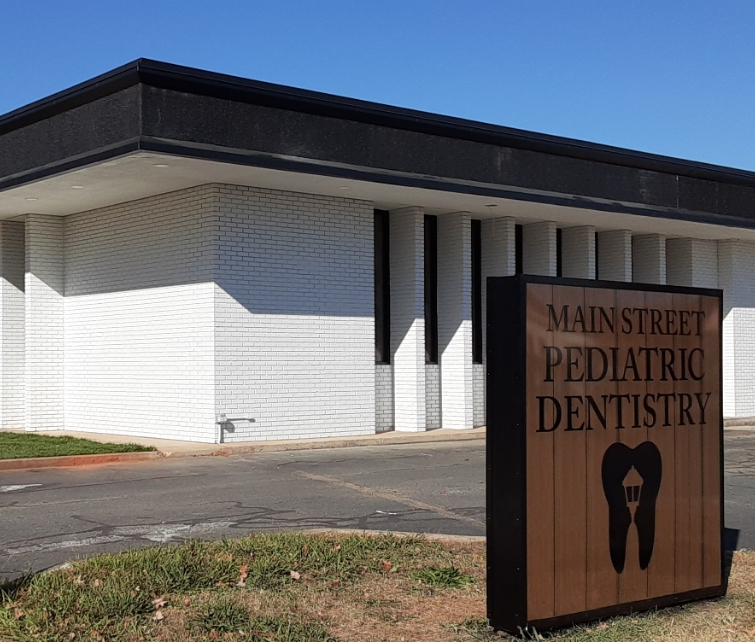
Main Street Pediatric Dentistry office