Many of the problems that cause the most damage in children's teeth — cavities between teeth, infections developing beneath the gumline, and permanent teeth growing in the wrong position — are completely invisible to the naked eye. At Main Street Pediatric Dentistry of Belmont, we use advanced digital X-ray technology to find these problems early, when they are easiest to treat.
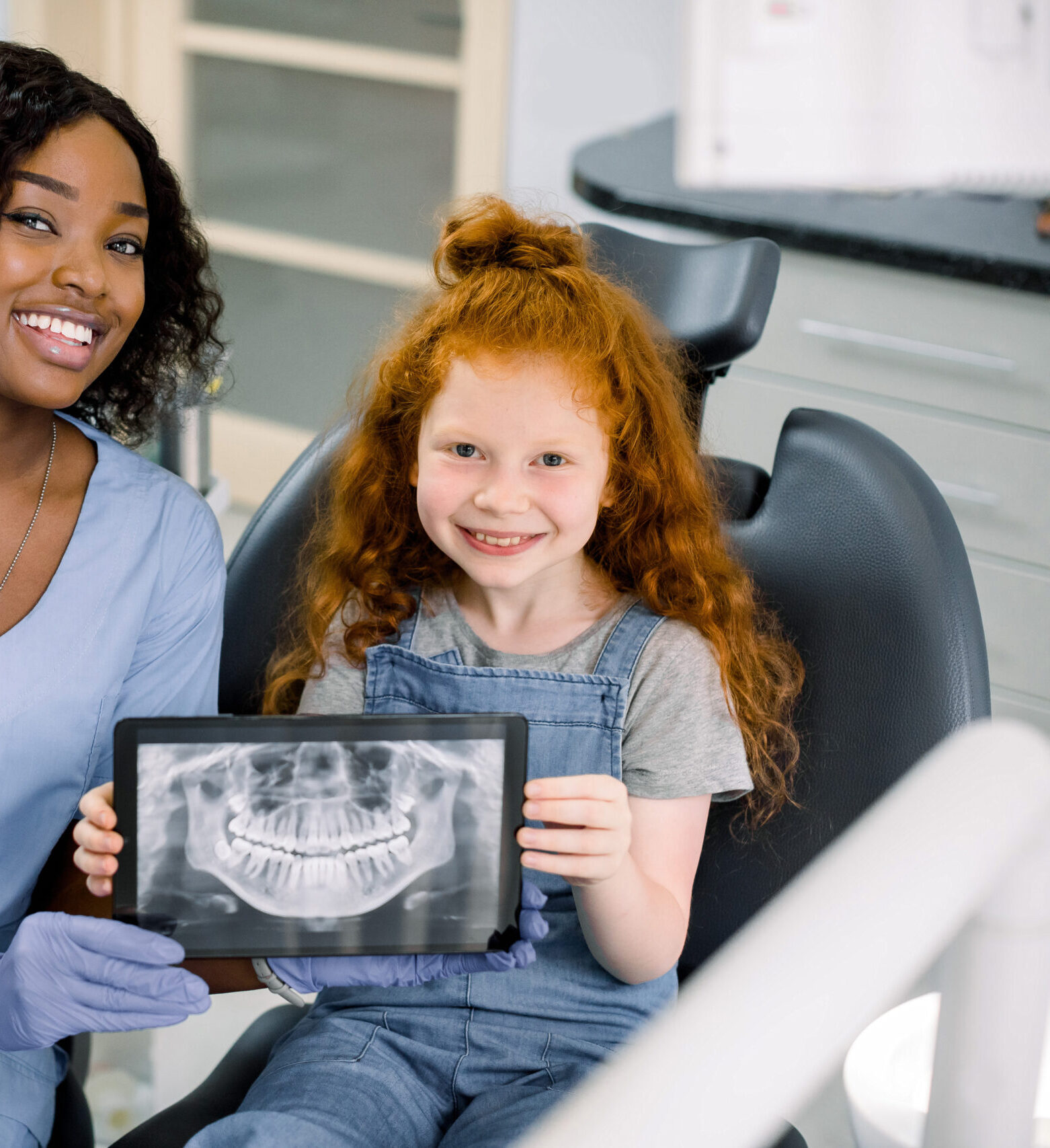
Yes, when taken with modern digital equipment by a board-certified pediatric dentist following established safety protocols, dental X-rays are considered very safe for children. At Main Street Pediatric Dentistry of Belmont, Dr. Matthew Savage follows the ALARA principle (As Low As Reasonably Achievable), meaning X-rays are only taken when the diagnostic benefit is clear and radiation exposure is kept as low as possible.
Our digital X-ray system uses up to 90% less radiation than traditional film X-rays and produces sharper images instantly. Every child is protected with a lead apron and thyroid collar during imaging. X-rays are a critical complement to dental exams — many of the problems they reveal are completely invisible during a visual examination alone.
Not every child needs the same type of X-ray at every visit. Dr. Savage selects the imaging that gives the most useful diagnostic information for your child’s specific age, development stage and oral health history.
Cavities that form between teeth where no instrument or eye can reach — often the most common and overlooked source of decay in children. X-rays catch these before they become large enough to cause pain or require more extensive treatment. Finding them early often means a simpler tooth-colored dental filling.
Whether permanent teeth are developing on track, in the right position, or at risk of becoming impacted or crowded as baby teeth are lost. Early detection gives Dr. Savage time to intervene before problems compound. For children who need extensive treatment once a problem is found, sedation options are available to keep the experience comfortable.
Infections or abscesses at the root tip, changes in bone density, congenitally missing permanent teeth, and supernumerary (extra) teeth — none of which are visible during a standard visual exam. X-rays are the only way to reliably identify these issues in children.
There is no single fixed schedule. Dr. Savage determines frequency based on your child’s individual cavity risk, age, oral development, and health history, not a one-size-fits-all protocol. Children at lower risk typically need bitewing X-rays every 12 to 24 months. Children at higher risk may need them every 6 to 12 months. Because Dr. Savage is the only dentist at the practice and sees your child at every visit, he makes well-informed decisions about when imaging is genuinely warranted and when it is not. Our practice also uses a digital intraoral scanner for impressions, eliminating traditional messy trays entirely.
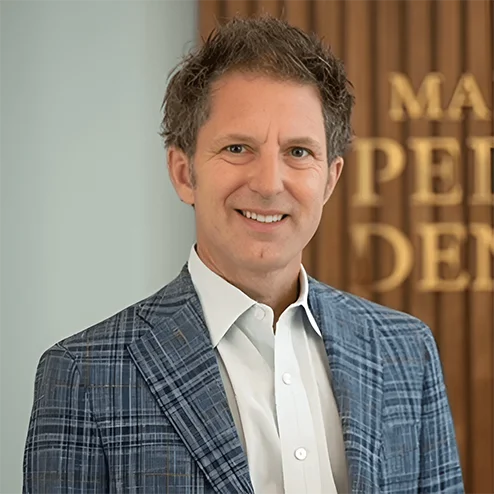
Dr. Matthew Savage brings extensive experience in pediatric dentistry to Main Street Pediatric Dentistry Of Belmont. Board-certified and passionate about children's oral health, Dr. Savage believes in building trust with young patients through gentle care and clear communication with both children and parents.
Ready to schedule your child's appointment? Our friendly team is here to answer questions and help you get started with exceptional pediatric dental care.
Monday - Friday: 8:00 AM - 5:00 PM
Saturday: By Appointment Only
Sunday: Closed
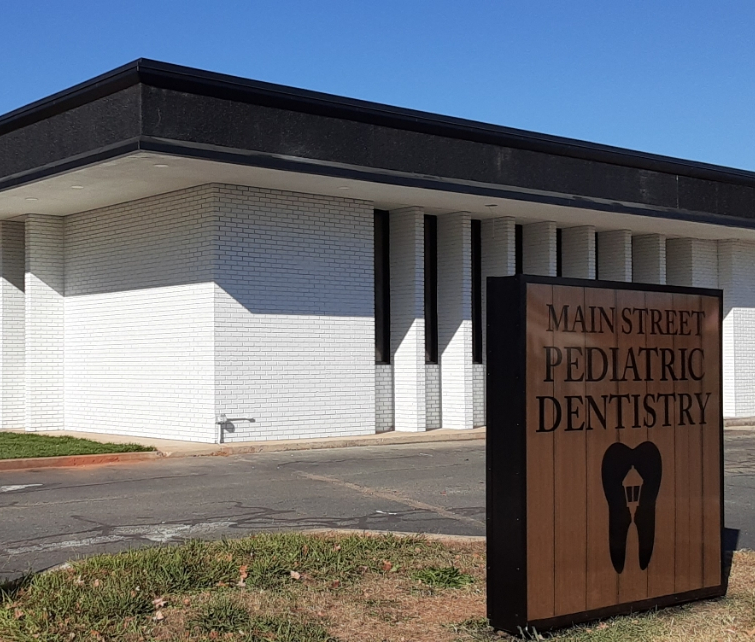
To schedule your child's appointment, call us at (980) 990-2878 or complete our online contact form below.
Your child’s dental health starts with finding the right pediatric dentist. Main Street Pediatric Dentistry of Belmont is accepting new patients from Belmont, Cramerton, Gastonia, Mount Holly, and the surrounding communities
Give your child the gift of a lifetime of healthy smiles. Contact Main Street Pediatric Dentistry Of Belmont today to schedule their next appointment and experience the difference specialized pediatric dental care can make.
"*" indicates required fields