
 If your child’s teeth seem crowded, their bite looks off, or their upper jaw looks narrow, you may have already been told to “just wait and see.” And sometimes, watching growth over time is the right answer. But there are also situations where waiting too long can make things harder to correct later. A narrow upper jaw, developing crossbite, crowded teeth, mouth breathing, or even regular snoring can all be signs that an early evaluation may be helpful.
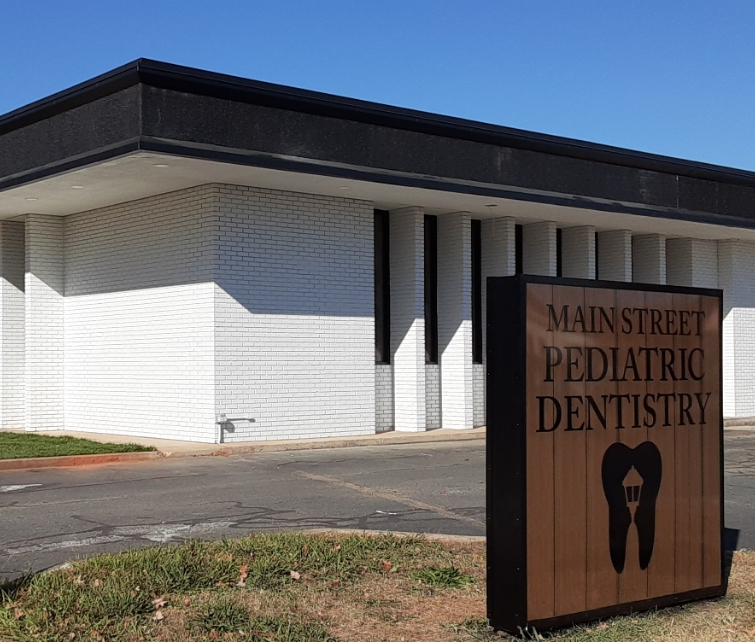
These concerns are often easier to evaluate during childhood, while the jaws and facial structures are still growing. At Main Street Pediatric Dentistry of Belmont, Dr. Matthew Savage brings a prevention-first philosophy to every stage of your child’s oral development. With over 20 years of experience and board certification in pediatric dentistry, he is able to identify developing bite, jaw, and growth concerns early and recommend the right next step at the right time. For some children, early orthodontic expansion may be a well-timed way to guide growth before problems become more complex.
What Is Early Orthodontic Expansion?
Early orthodontic expansion, sometimes called palatal expansion, is a form of interceptive orthodontic treatment used to widen a child’s upper jaw. It works by applying gentle, consistent pressure to the two halves of the palate before they fully fuse together.
A device called a palatal expander is placed in the mouth and gradually widens the upper arch over a period of weeks or months. As the palate expands, the goal is to create more room for permanent teeth, improve the way the upper and lower teeth fit together, and support more balanced jaw development.
Why Timing Makes All the Difference
The bones in a child’s jaw do not fully fuse until the early teen years, which means there is a meaningful window during childhood when expansion may be easier and more effective than it would be later, hopefully without surgery or tooth removal. According to the American Association of Orthodontists, all children should be screened by age 7, as this is when there are enough permanent teeth present to detect jaw and alignment issues before they worsen.
That does not mean every child needs treatment at age 7. And it does not mean every 4- or 5-year-old with crowding or snoring needs an expander. But it does mean that early evaluation matters. In some children, concerns such as a narrow jaw, crossbite, crowding, mouth breathing, or regular snoring may be worth looking at even earlier.
Some children benefit from simply being monitored. Some children are best referred to an orthodontist. And some younger children may benefit from early appliance therapy before age 7, especially if there is a narrow upper jaw, crossbite, crowding, early tooth loss, mouth breathing, or airway-related concerns. At Main Street Pediatric Dentistry of Belmont, Dr. Savage can evaluate these concerns early and, when appropriate, provide certain early treatments himself, including space maintainers and palatal expansion for select younger children. The goal is not to rush every child into treatment. The goal is to identify the right child, at the right age, and choose the right next step.
What Snoring, Mouth Breathing, and Airway Have to Do with It
Many parents today are hearing more about airway, sleep, and early orthodontic expansion. If your child snores regularly, sleeps with their mouth open, breathes mostly through their mouth, grinds their teeth, has a very narrow smile, or seems restless during sleep, those are important things to mention during their dental visit.
These signs can have many possible causes, including allergies, enlarged tonsils or adenoids, nasal obstruction, jaw growth patterns, or a narrow palate. A palatal expander does not “fix” every airway problem, and it is not the right answer for every child. But in certain cases, a narrow upper jaw may be part of the bigger picture. This is one reason Dr. Savage likes to evaluate children early. In those cases, Dr. Savage may recommend monitoring, placing an appliance in our office and beginning early expansion treatment, referring to an orthodontist, or coordinating with your child’s pediatrician or ENT.
Signs Your Child May Benefit From Early Expansion
Not every child will need a palatal expander, but there are several signs that an evaluation is worth having. Common indicators include:
- Upper teeth sitting inside the lower teeth on one or both sides
- Permanent teeth coming in crowded or overlapping
- A noticeably narrow upper jaw or narrow smile
- A high or narrow palate
- Baby teeth being lost in an irregular pattern
- Regular snoring, mouth breathing, or sleeping with the mouth open
- Restless sleep or frequent nighttime waking
- Difficulty keeping lips comfortably closed at rest
Current dental X-rays and a thorough exam give Dr. Savage a more complete picture of what is happening beneath the surface, including how incoming permanent teeth are positioned and whether the jaw appears to have adequate room for them to erupt properly.
What to Expect During Treatment
When an expander is recommended, the process is gentle and manageable for most children. One nice thing at Main Street Pediatric Dentistry is that Dr. Savage does not have to use that gooey alginate putty to take a mold. Instead, he uses an intraoral digital scanner, kind of like a magic wand. Kids usually think it is pretty cool, and there is no gagging with a mouthful of impression material.
The expansion process typically takes a few months, followed by a retention period to allow the new position to stabilize. Most children adjust to their expander fairly quickly and are able to speak, eat, and go about their days without major disruption. A thorough dental exam and review of your child’s growth history will guide every recommendation. In some cases, early expansion may also work alongside other treatments, such as space maintainers, to help keep all aspects of your child’s development on track.
Give Your Child’s Smile the Best Start at Main Street Pediatric Dentistry of Belmont
At Main Street Pediatric Dentistry of Belmont, we believe that proactive care during childhood creates a foundation that lasts a lifetime. Dr. Matthew Savage is a board-certified pediatric dentist with over 20 years of experience and a genuine commitment to gentle, prevention-focused treatment. As the only dentist at the practice, he knows each child’s history, development and personality, making it possible to identify concerns early and address them thoughtfully.
If you have noticed crowding, a narrow smile, or any bite irregularities in your child, we would love to take a closer look. Contact our office today to schedule an evaluation and find out whether early orthodontic expansion could be the right next step for your child’s smile.