
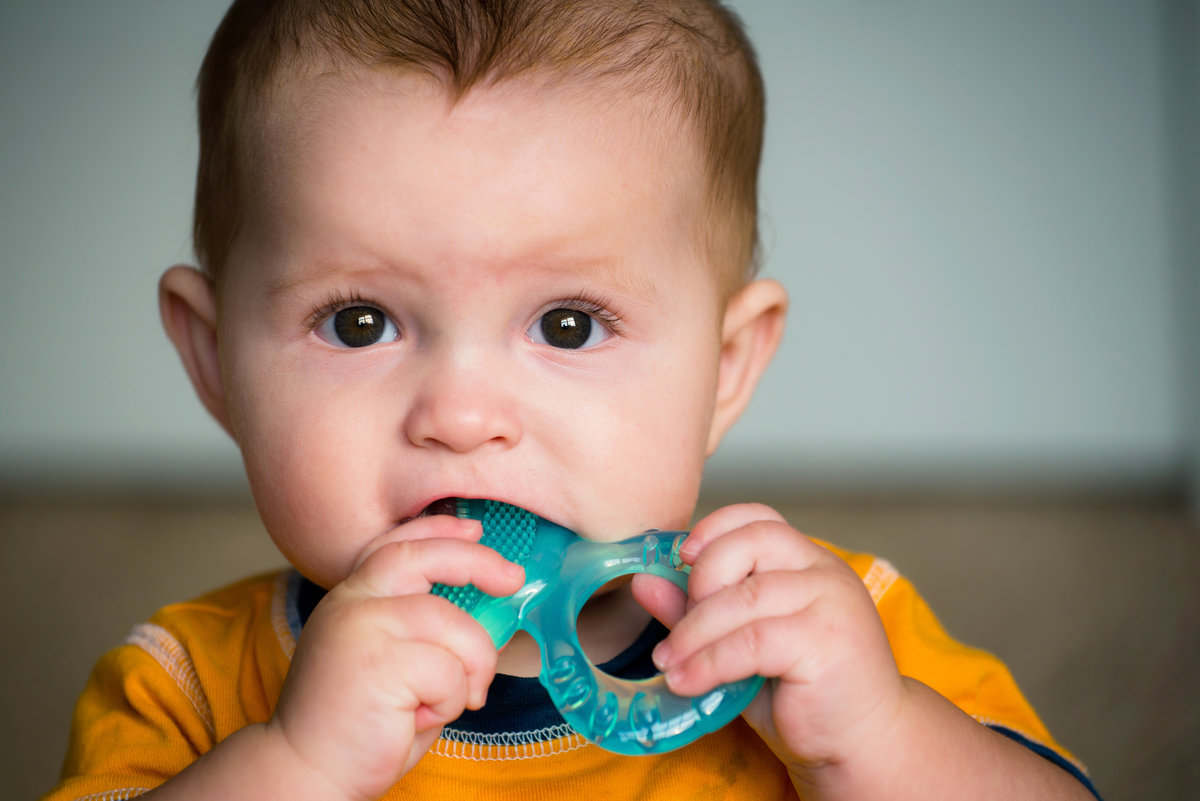
Your baby is drooling through every outfit, gnawing on anything in reach, and fussier than you have ever seen. Teething is the obvious explanation, and sometimes it is, but the things teething actually causes and the things it gets wrongly blamed for are very different. Knowing the difference helps parents respond with confidence rather than worry and steers families away from remedies that can do more harm than good.
At Main Street Pediatric Dentistry of Belmont, Dr. Matthew Savage works with families from the very first tooth through the college years, bringing 20 years of experience and board certification in pediatric dentistry to every visit. Our pediatric dental services are built around gentle, prevention-focused care that starts early and builds positive associations with the dentist that last a lifetime. Teething questions come up constantly, and we are always glad to help set the record straight.
What Teething Actually Causes and What It Does Not
Teething gets credited for all kinds of symptoms and it is easy to understand why. The window when babies cut teeth overlaps with a stage of life when they are naturally more prone to illness and developmental changes. That timing creates real confusion about what is connected and what is a coincidence.
The Fever Myth
One of the most persistent teething beliefs is that it causes fever, but the research simply does not back that up. According to the American Academy of Pediatrics, extensive studies show that fever is a false symptom of teething. A slight rise in body temperature within the normal range may occur as a tooth pushes through, but a true fever signals something else entirely and warrants a call to your child’s doctor. If your baby runs a temperature above 100.3 degrees Fahrenheit during a teething stretch, that is not teething at work.
The Numbing Gel Myth
Over-the-counter gels containing benzocaine or lidocaine may seem like an easy fix for a fussy, teething baby, but both the FDA and the American Academy of Pediatrics advise strongly against them. Benzocaine has been linked to methemoglobinemia, a serious condition that affects how red blood cells carry oxygen, and lidocaine carries risks including seizures and severe brain injury in young children. Dr. Savage recommends safer options include chilled teething rings, a damp washcloth from the freezer, or gentle gum massage with a clean finger.
Facts Worth Knowing About Baby Teeth
Understanding what is actually happening during teething takes a lot of the guesswork out of this stage. A few things every parent should have on their radar:
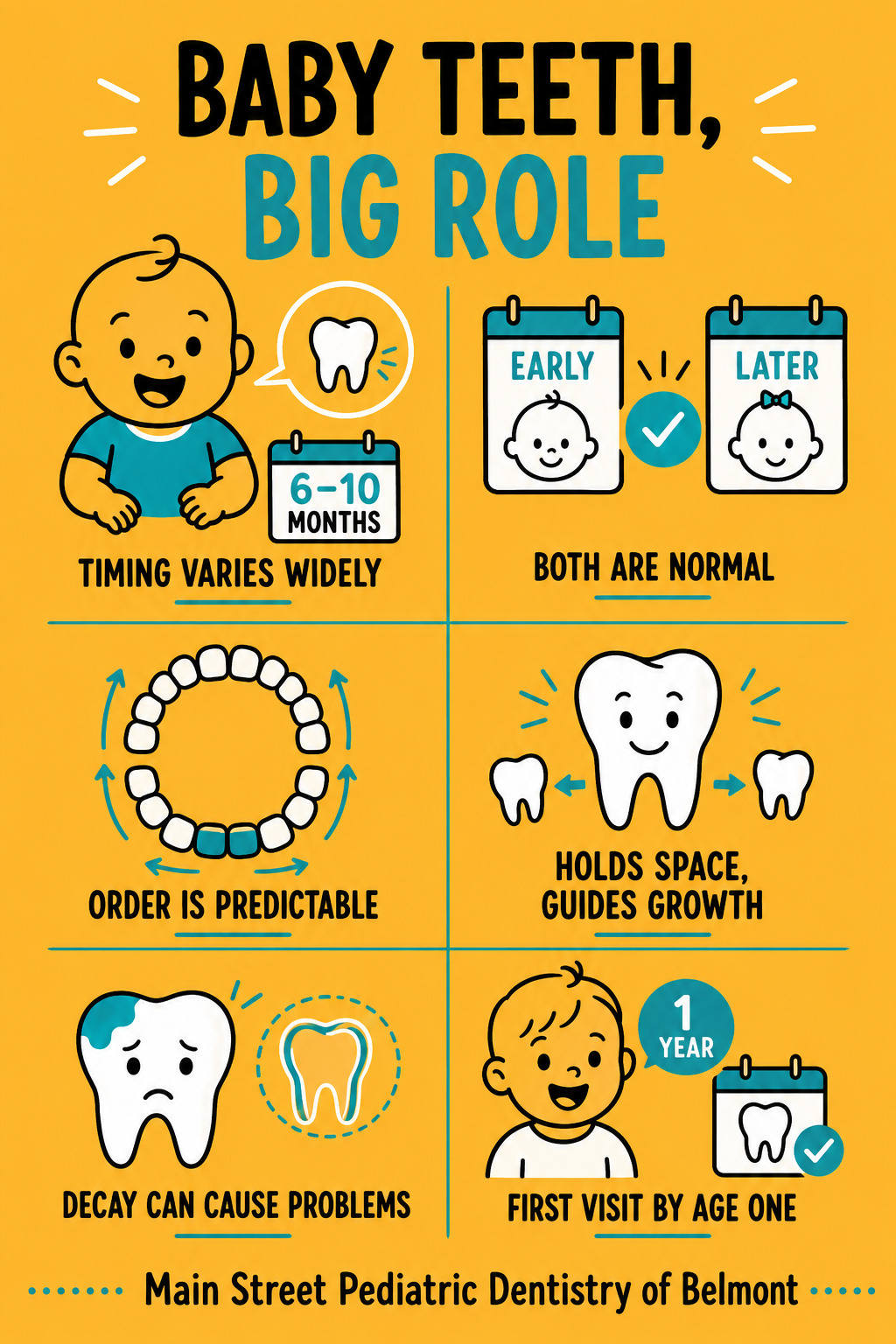
- Most babies cut their first tooth between six and ten months, though the window is wide. Some babies teethe earlier, and some do not show a first tooth until after their first birthday. Both fall within normal limits.
- Primary teeth come in a predictable order, generally starting with the lower front two teeth and progressing outward and upward over the following months.
- Baby teeth hold space in the jaw and guide incoming permanent teeth into position. Decay in primary teeth can affect the development of adult teeth, which is why starting dental care before the first tooth is something Dr. Matthew Savage talks with every new family about.
- The American Academy of Pediatric Dentistry recommends a child’s first dental visit by age one. Waiting until all the teeth are in means missing the window for early cavity prevention and developmental monitoring.
Once those first teeth arrive, Dr. Savage recommends daily brushing with a toothbrush and routine dental cleanings should begin right away.
When to Reach Out During Teething
Fussiness, drooling, and mild gum tenderness are all normal parts of teething. A few situations do call for a closer look. Reach out to your pediatrician if your baby develops a true fever. Also contact our office if your child shows no sign of a first tooth by 12 months, has prolonged or unusual discomfort, or if anything about how the teeth are coming in looks off. Our comprehensive dental exams give Dr. Matthew Savage a full picture of how your child’s teeth and gums are developing and allow us to catch anything worth monitoring early.
The goal of early dental visits extends well beyond checking on the teeth coming in. Dr. Savage talks with families about oral hygiene, diet, habits, trauma, and what healthy development looks like at each stage, building a foundation your child will benefit from for years.
Schedule Your Child’s First Visit at Main Street Pediatric Dentistry of Belmont
Dr. Matthew Savage is a board-certified pediatric dentist and the sole dentist at Main Street Pediatric Dentistry of Belmont which means you and your child sees the same familiar face at every single appointment. That consistency matters enormously for building the trust and comfort that makes dental visits a positive experience rather than a stressful one. We are a locally owned practice and we take genuine pride in the relationships we build with the families we serve.
If your baby’s first tooth has appeared, or you want to get ahead of the curve before it does, we are here to help. Contact our office to schedule your child’s first appointment and give their smile a strong start.