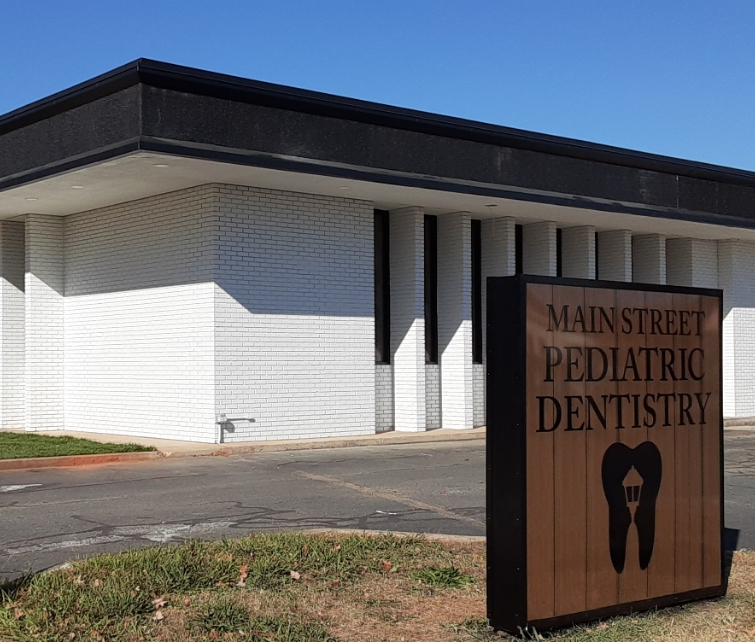

118 N Main St, Belmont, NC 28012

Category:

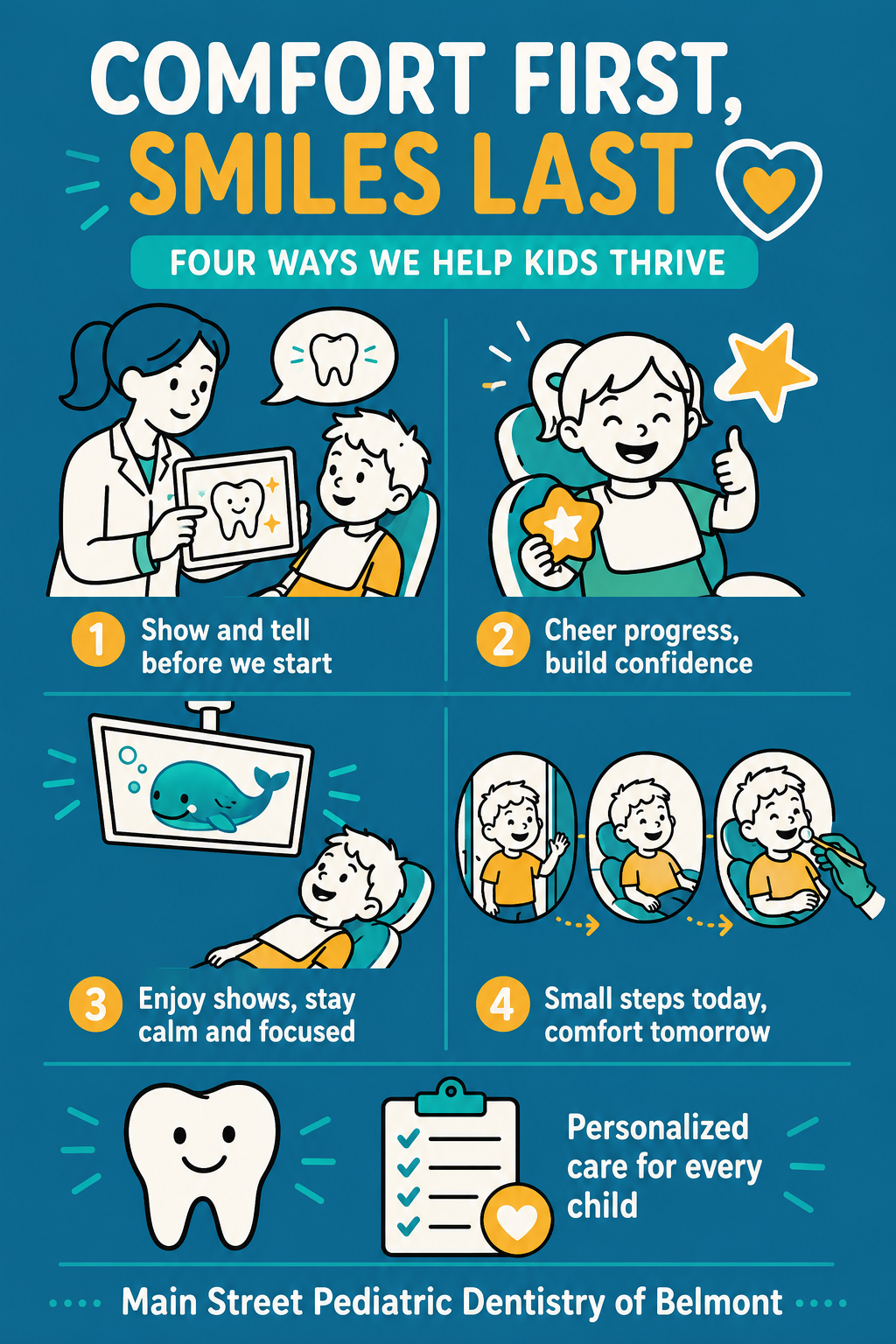
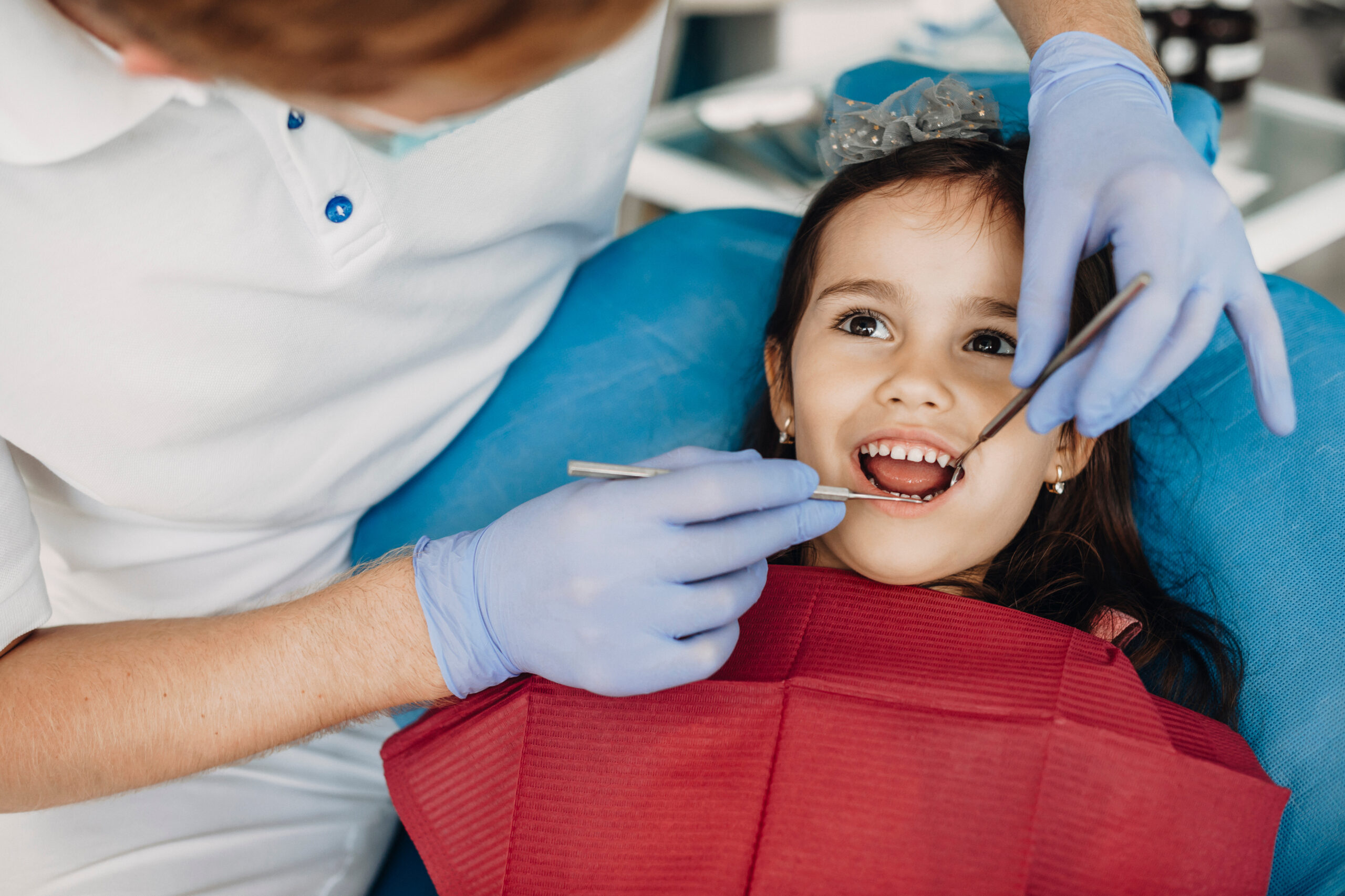
girl in the dentist's chair
Categories

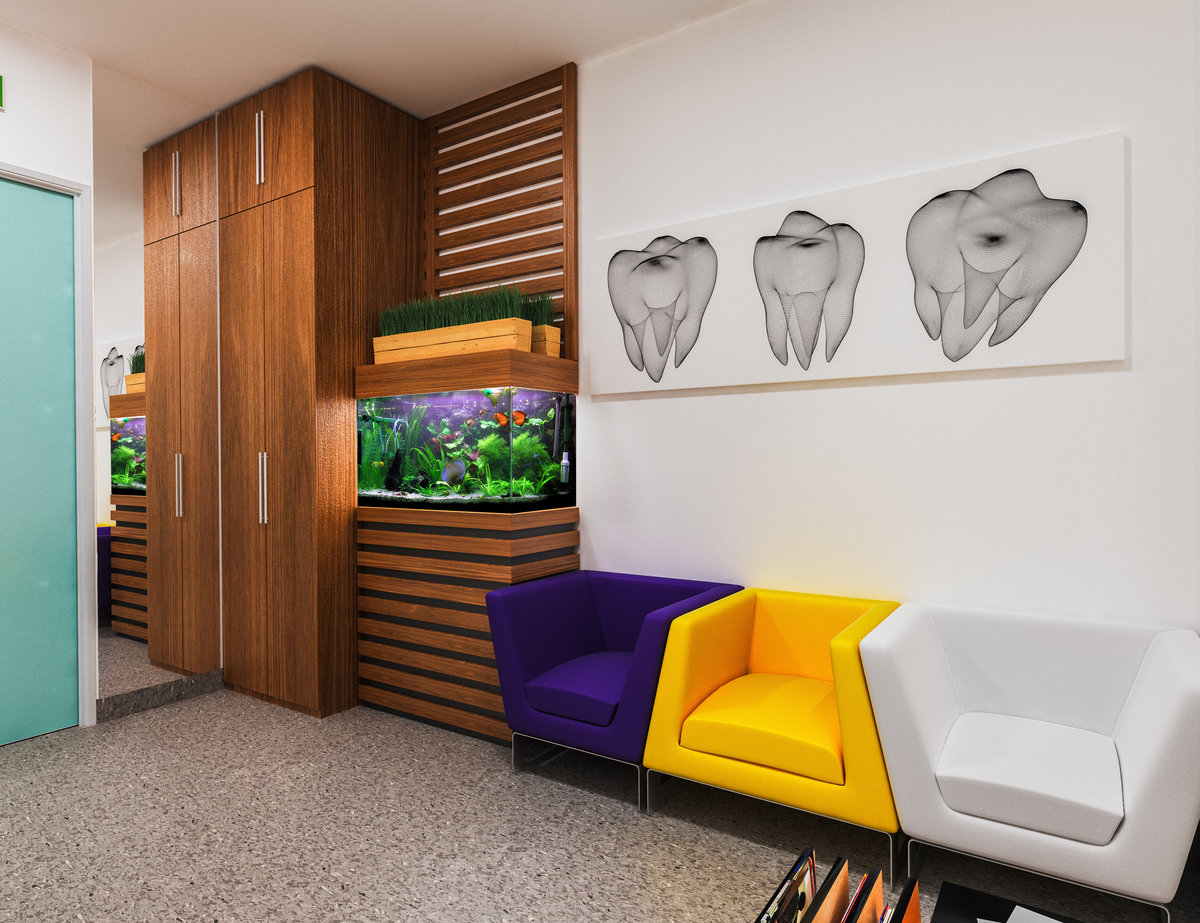
dental office , waiting room

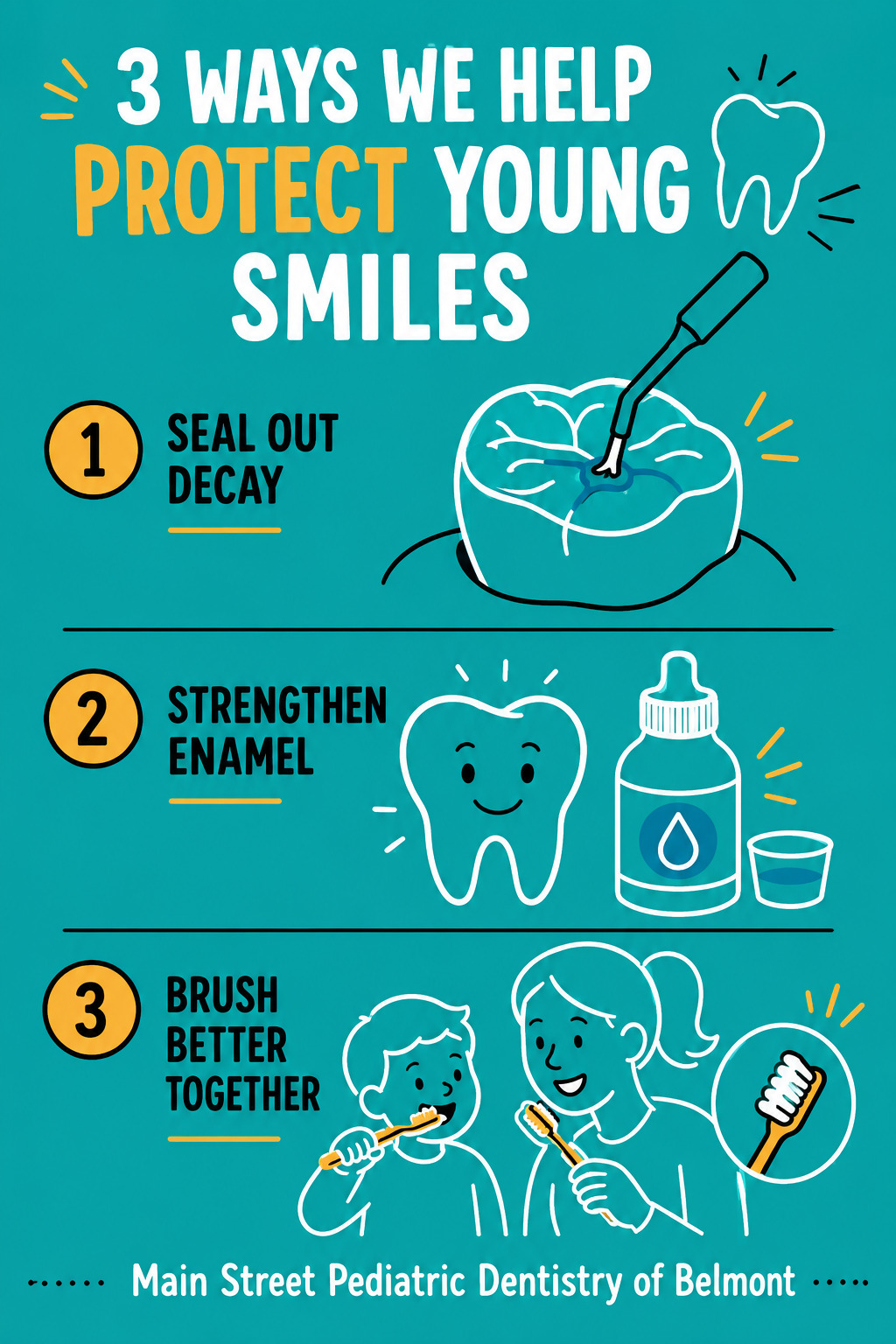
When a cavity shows up at your child’s dental visit, the first thought for many parents is whether that means a drill and a stressful appointment.  For young children especially, the idea of traditional restorative treatment can feel daunting.  Silver diamine fluoride, commonly called SDF, offers a different path, one that stops decay in its tracks without needles, drills, or anesthesia in many cases and it is worth understanding what it is and when it might be the right choice for your child.

At Main Street Pediatric Dentistry of Belmont, Dr. Matthew Savage brings over 20 years of experience and board certification in pediatric dentistry to every appointment.  Our approach to pediatric dental services is built around finding the most comfortable, effective option for each child and SDF is one of the tools that reflects that commitment well.  Here is an honest look at what SDF is, how it works, and where it fits within a complete picture of your child’s oral health.

How Silver Diamine Fluoride Works

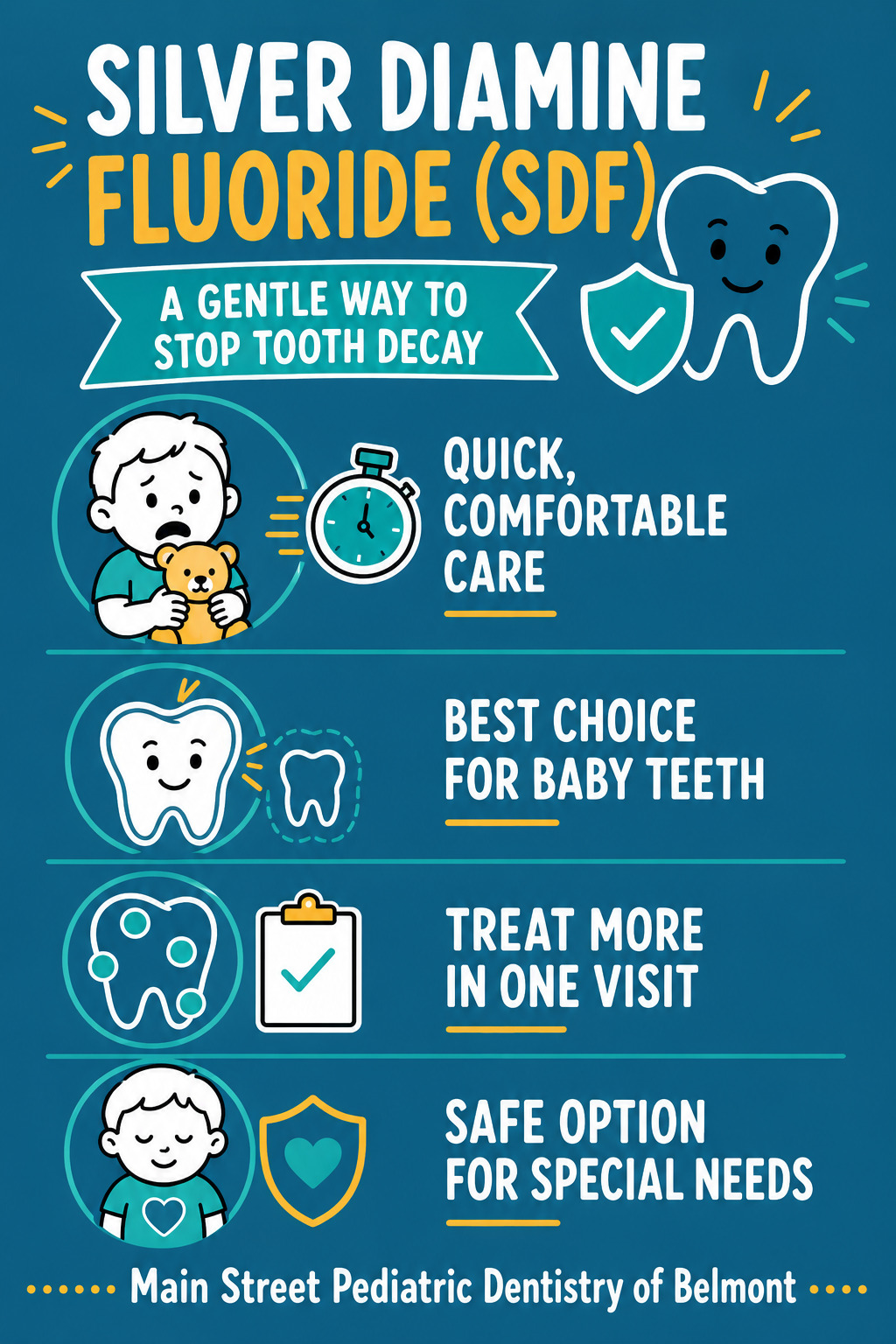
SDF is a liquid applied directly to a tooth to stop cavity progression.  It contains silver, which has antimicrobial properties that work against the bacteria driving decay, combined with fluoride applied directly to the tooth surface, which helps strengthen enamel and may reduce the risk of new cavities forming on nearby surfaces. Together, these components can halt active decay and protect the surrounding tooth structure.

A Brief History of SDF

SDF has been used internationally for decades and was cleared by the FDA in the United States as a desensitizing agent in 2014.  In the years since, pediatric dental offices across the country have adopted it as a practical alternative to traditional restorative procedures for young patients.  The application takes only seconds, uses a small brush, and requires no injections, making it well-tolerated even by very young children.

According to data from the National Institute of Dental and Craniofacial Research, tooth decay remains the most prevalent chronic disease in children in the United States, which is why having accessible, non-invasive intervention options matters so much for families.

When SDF Is a Good Fit

SDF is not the right solution for every cavity, but it is a highly practical option in the right circumstances.  Dr. Matthew Savage considers several factors when discussing SDF with families, including:

  • Young children who are not yet ready for traditional dental fillings due to age or dental anxiety, where a quick and comfortable application makes a meaningful difference
  • Primary teeth that will eventually fall out, where stopping decay without drilling is often the most appropriate approach
  • Multiple areas of concern that can be treated in a single, low-stress visit
  • Children with certain health needs who may not tolerate sedation or extended procedures

One thing parents should know before choosing SDF is that it permanently stains treated decay black.  This discoloration is confined to the decayed part of the tooth and does not affect healthy enamel, but being informed going in makes the experience easier for everyone.  

SDF as Part of a Broader Oral Health Plan

SDF works best as part of a broader commitment to children’s dental health rather than as a standalone fix.  Treating an active cavity with SDF addresses the immediate problem, but it does not change the underlying conditions that allowed decay to develop in the first place.  Pairing SDF treatment with consistent cavity prevention habits at home and in the office is what produces lasting results.

Dr. Savage also often recommends dental sealants on permanent molars to protect their chewing surfaces from future decay.  Routine dental exams allow Dr. Matthew Savage to monitor treated areas and catch any new concerns early, keeping your child’s care plan current and effective.  Daily brushing, limiting sugary drinks, and staying on schedule with regular checkups all contribute meaningfully to keeping decay from gaining a foothold.

Schedule a Visit at Main Street Pediatric Dentistry of Belmont

As the sole dentist at Main Street Pediatric Dentistry of Belmont, Dr. Matthew Savage is the consistent, familiar face your child sees at every visit.  That continuity matters for building trust and comfort, and it means treatment plans are thorough and connected rather than fragmented across providers. We are a locally owned practice and we take pride in giving every family clear, honest answers about their options.

If your child is overdue for a checkup or you have questions about tooth decay and what we can do about it, we would love to help. Contact our office to schedule an appointment and let us put together a plan that keeps your child’s smile healthy for the long haul.

Baby chewing on teething ring toy

Your baby is drooling through every outfit, gnawing on anything in reach, and fussier than you have ever seen.  Teething is the obvious explanation, and sometimes it is, but the things teething actually causes and the things it gets wrongly blamed for are very different.  Knowing the difference helps parents respond with confidence rather than worry and steers families away from remedies that can do more harm than good.

At Main Street Pediatric Dentistry of Belmont, Dr. Matthew Savage works with families from the very first tooth through the college years, bringing 20 years of experience and board certification in pediatric dentistry to every visit.  Our pediatric dental services are built around gentle, prevention-focused care that starts early and builds positive associations with the dentist that last a lifetime.  Teething questions come up constantly, and we are always glad to help set the record straight.

What Teething Actually Causes and What It Does Not

Teething gets credited for all kinds of symptoms and it is easy to understand why.  The window when babies cut teeth overlaps with a stage of life when they are naturally more prone to illness and developmental changes.  That timing creates real confusion about what is connected and what is a coincidence.

The Fever Myth

One of the most persistent teething beliefs is that it causes fever, but the research simply does not back that up.  According to the American Academy of Pediatrics, extensive studies show that fever is a false symptom of teething.  A slight rise in body temperature within the normal range may occur as a tooth pushes through, but a true fever signals something else entirely and warrants a call to your child’s doctor.  If your baby runs a temperature above 100.3 degrees Fahrenheit during a teething stretch, that is not teething at work.

The Numbing Gel Myth

Over-the-counter gels containing benzocaine or lidocaine may seem like an easy fix for a fussy, teething baby, but both the FDA and the American Academy of Pediatrics advise strongly against them.  Benzocaine has been linked to methemoglobinemia, a serious condition that affects how red blood cells carry oxygen, and lidocaine carries risks including seizures and severe brain injury in young children.  Dr. Savage recommends safer options include chilled teething rings, a damp washcloth from the freezer, or gentle gum massage with a clean finger.

Facts Worth Knowing About Baby Teeth

Understanding what is actually happening during teething takes a lot of the guesswork out of this stage.  A few things every parent should have on their radar:

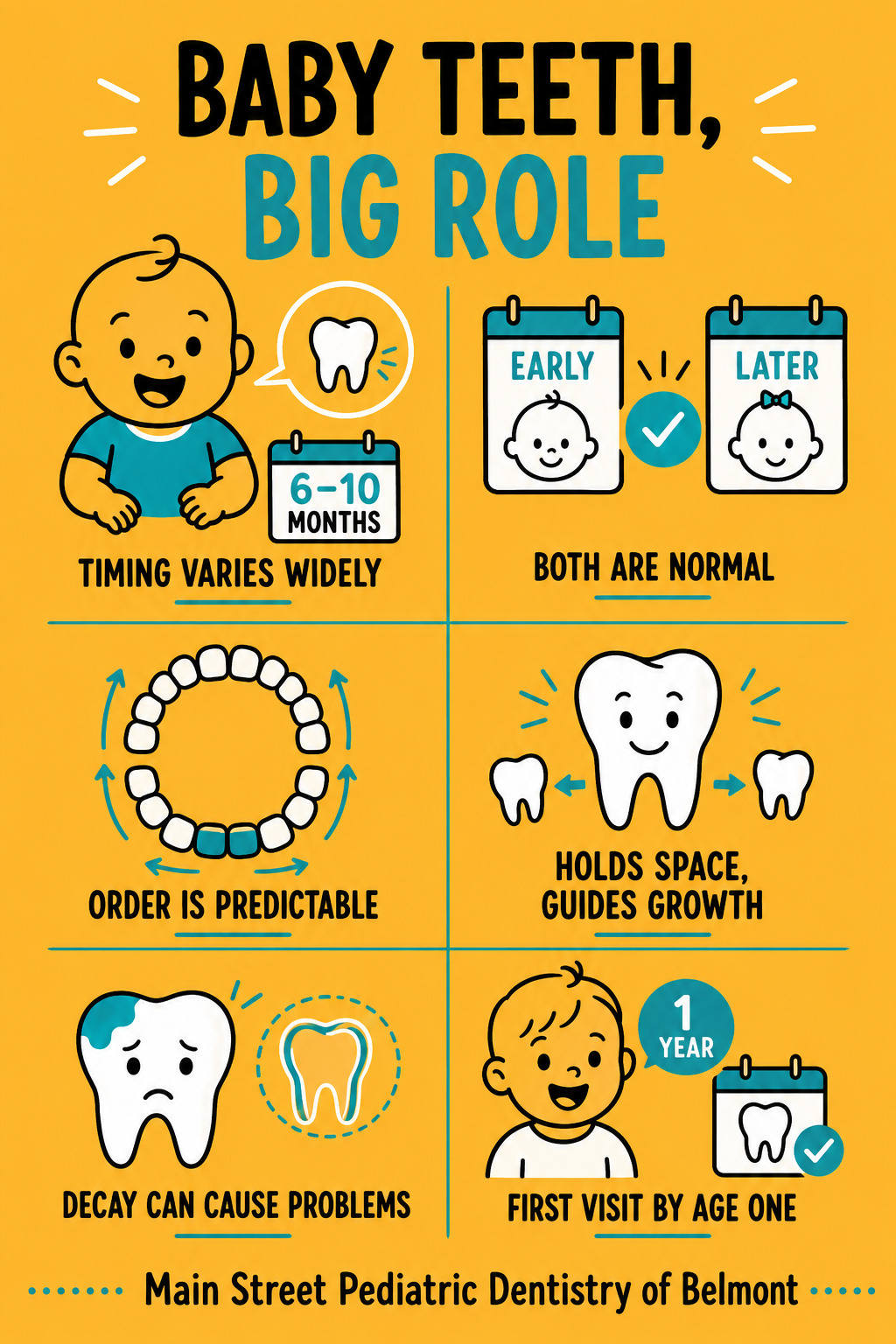
  • Most babies cut their first tooth between six and ten months, though the window is wide.  Some babies teethe earlier, and some do not show a first tooth until after their first birthday.  Both fall within normal limits.
  • Primary teeth come in a predictable order, generally starting with the lower front two teeth and progressing outward and upward over the following months.
  • Baby teeth hold space in the jaw and guide incoming permanent teeth into position.  Decay in primary teeth can affect the development of adult teeth, which is why starting dental care before the first tooth is something Dr. Matthew Savage talks with every new family about.
  • The American Academy of Pediatric Dentistry recommends a child’s first dental visit by age one.  Waiting until all the teeth are in means missing the window for early cavity prevention and developmental monitoring.

Once those first teeth arrive, Dr. Savage recommends daily brushing with a toothbrush and routine dental cleanings should begin right away.

When to Reach Out During Teething

Fussiness, drooling, and mild gum tenderness are all normal parts of teething.  A few situations do call for a closer look.  Reach out to your pediatrician if your baby develops a true fever.  Also contact our office if your child shows no sign of a first tooth by 12 months, has prolonged or unusual discomfort, or if anything about how the teeth are coming in looks off.  Our comprehensive dental exams give Dr. Matthew Savage a full picture of how your child’s teeth and gums are developing and allow us to catch anything worth monitoring early.

The goal of early dental visits extends well beyond checking on the teeth coming in.  Dr. Savage talks with families about oral hygiene, diet, habits, trauma, and what healthy development looks like at each stage, building a foundation your child will benefit from for years.

Schedule Your Child’s First Visit at Main Street Pediatric Dentistry of Belmont

Dr. Matthew Savage is a board-certified pediatric dentist and the sole dentist at Main Street Pediatric Dentistry of Belmont which means you and your child sees the same familiar face at every single appointment.  That consistency matters enormously for building the trust and comfort that makes dental visits a positive experience rather than a stressful one.  We are a locally owned practice  and we take genuine pride in the relationships we build with the families we serve.

If your baby’s first tooth has appeared, or you want to get ahead of the curve before it does, we are here to help. Contact our office to schedule your child’s first appointment and give their smile a strong start.

Summer beach concept, chair with ring floating and pineapple on

The school calendar finally clears, backpacks get tucked away, and for the first time in months, your family’s schedule has room to breathe.  That open calendar is one of the most valuable things about summer break and it makes this the ideal time to check off the health appointments that kept getting pushed aside during the busy school year.  When it comes to your child’s smile, a mid-year dental visit during summer is one of the smartest moves a parent can make.

At Main Street Pediatric Dentistry of Belmont, Dr. Matthew Savage and his team have built a prevention-focused, gentle practice around making dental visits a positive experience for kids.  As the sole dentist at the practice, Dr. Matthew Savage is with your child every step of the way, providing consistent, thorough care that supports long-term oral health.  Our pediatric dental services are designed to meet children where they are, from their very first visit all the way through their college years.

No School Schedule Means No Stress

One of the biggest barriers to keeping up with dental visits during the school year is simply the schedule.  Pulling a child out of class, scrambling for an early morning opening, or rearranging afternoon pickups can make even a simple cleaning feel like a logistical challenge. Summer removes all of that friction.

More Time, Calmer Kids

Without the pressure of getting back to school, kids tend to arrive at appointments more relaxed.  There is no rushing, no worry about missing a test and no sense of the day being disrupted.  Dr. Matthew Savage’s gentle approach and behavior management background mean that even children who are nervous about the dentist tend to settle in quickly.  Our dental exams are designed to be thorough and comfortable, building the kind of positive associations with dental care that last well into adulthood.

Families Can Coordinate Easily

Summer also makes it easier to schedule siblings together, reducing the number of separate trips parents need to make.  For families with multiple children, consolidating appointments into one or two summer visits is a practical way to stay current on everyone’s care without the usual school-year juggling act.

Summer Eating Habits Make This a Critical Time to Check In

Summertime tends to bring a shift in what kids eat and drink.  Popsicles, lemonade, sports drinks, and extra snacks work their way into the daily routine, and many of these foods create conditions where cavities can develop more quickly.  A mid-year checkup gives Dr. Matthew Savage a chance to catch any early concerns before they become more involved to treat.

According to data from the Annie E. Casey Foundation, one in four children in the U.S. went without preventive dental care in a recent year, an increase from prior years and nearly one in four kids have teeth that are not in very good or excellent condition.  Staying consistent with summer appointments is one of the most effective ways to keep your child out of that statistic.

A summer visit may include several of the most effective preventive tools available, including:

  • Dental sealants are applied to the chewing surfaces of permanent molars, where decay is most likely to begin.
  • Pediatric fluoride treatment is applied in-office to strengthen enamel and reduce the risk of new cavities forming between visits.
  • A thorough brushing technique review for both kids and parents, tailored to each child’s stage of development.

These preventive steps are quick and painless and can make a meaningful difference in how your child’s teeth hold up through the rest of the year.

Get Ahead of Back-to-School Season

Most back-to-school prep centers on supplies, new shoes, and updated physicals. Oral health deserves a spot on that list, too.  A dental checkup before the academic year begins means any issues get identified and addressed before they have a chance to interfere with school.  Our dental cleanings remove the buildup that daily brushing cannot reach on its own, giving Dr. Matthew Savage a complete picture of how your child’s teeth and gums are developing heading into fall.

Booking during the summer also means more appointment availability.  As the school year ramps up, scheduling windows tend to tighten quickly, so securing a summer slot keeps you ahead of the rush.

Schedule Your Child’s Summer Appointment at Main Street Pediatric Dentistry of Belmont

Dr. Matthew Savage brings over 20 years of experience and board certification in pediatric dentistry to every appointment.  As the only dentist at Main Street Pediatric Dentistry of Belmont, he provides the kind of consistent, personalized care that helps children build genuine comfort with dental visits over time. We are a locally owned and operated practice, and we take pride in knowing our patients and their families.

Summer appointment slots fill up quickly, so the sooner you book, the better your options. Contact our office today to schedule your child’s summer checkup and give their smile the attention it deserves before fall arrives.

Adorable happy healthy boy smiling cheerfully at his dentist, sitting in a dental chair. Cropped shot of a professional dentist checking teeth of a lovely boy

Finding out your child has a cavity can feel like a lot to process, but a filling is one of the most routine treatments in pediatric dentistry. It is completely normal to have questions: What will the appointment look like? Will my child be comfortable? What material will be used? Taking time to learn the basics can ease any worry before the visit and helps set the stage for a positive experience your child will carry with them.

At Main Street Pediatric Dentistry of Belmont, Dr. Matthew Savage brings a prevention-focused approach to every appointment, including regular exams that catch cavities early and gentle restorative care when a filling becomes necessary. As a board-certified pediatric dentist with 20 years of experience, he knows that a child’s experience at the dentist today shapes how they approach their health for years to come. When a filling is the right next step, our goal is to make it as smooth and comfortable as possible for your child.

What Is a Dental Filling?

A dental filling is used to restore a tooth that has been affected by decay. Treating a cavity promptly keeps it from affecting the inner layers of the tooth and helps preserve as much healthy structure as possible. Dr. Savage removes the damaged portion of the tooth and fills it with a restorative material to bring the tooth back to its normal function and shape.

Even baby teeth can benefit from fillings. Primary teeth hold space for incoming permanent teeth, and keeping them healthy supports your child’s ability to chew, speak, and smile with confidence. Some baby teeth do not exfoliate until about twelve years of age. Having routine dental cleanings and exams allows Dr. Savage to catch cavities early, before they require more involved treatment.

Filling Materials Used in Pediatric Dentistry

Types of dental fillings explained

Knowing what goes into a filling can help you feel more informed going into your child’s appointment. Different materials serve different purposes, and the right choice depends on factors like the location of the tooth, the size of the cavity, and your child’s individual needs.

According to the American Academy of Pediatric Dentistry’s best practices on restorative dentistry, several filling materials are appropriate for use in pediatric patients, each with distinct clinical advantages. The most commonly used restorative material options include the following:

  • Composite resin: A tooth-colored material that bonds directly to the tooth structure, making it a popular choice for visible teeth. It requires less removal of healthy tooth structure and blends naturally with the surrounding enamel.
  • Glass ionomer cement: A tooth-colored material that releases fluoride over time and adheres well to tooth structure. It is often used in situations where moisture control is more challenging or as an interim option for younger children.
  • Resin-modified glass ionomer: A hybrid that combines the fluoride-releasing benefits of glass ionomer with some of the strength properties of resin. It is a good fit for primary teeth in certain clinical situations.

Each of these materials is evaluated based on your child’s tooth anatomy, age, and the overall condition of the tooth.

What to Expect During the Appointment

Going into your child’s appointment, it can be helpful to have an idea of what to expect.

Before the procedure: Your child’s appointment will start with a thorough review of the affected tooth, often using digital X-rays to assess the depth of the cavity. If the filling requires local anesthesia, Dr. Matthew Savage will apply a topical numbing agent first to minimize any sensation before the injection. For children who experience dental anxiety or who need additional support, nitrous oxide and sedation dentistry are also available to help them feel calm and at ease throughout the visit.

During the procedure: Once the area is numb, the decayed portion of the tooth is gently removed and the space is cleaned and prepped. The chosen filling material is then placed and shaped to match the natural contours of the tooth. Depending on the material used, a special blue curing light may be used to harden the filling in place.

After the procedure: Most children return to their normal routine shortly after the appointment. Some mild sensitivity in the treated area is normal and typically fades within a few days. Our team will walk you through any post-appointment care instructions before you leave, so you know exactly what to expect at home.

Supporting a Healthy Smile Going Forward

A filling treats the current issue, but protecting your child’s smile going forward is just as important. Building strong habits at home, along with consistent professional care, significantly reduces the risk of new cavities developing. Our guide to cavity prevention in kids is a great resource for families looking to support their child’s oral health between visits.

For teeth that have experienced more significant decay, a white crown or a stainless steel crown may be a better long-term solution than a filling alone. Dr. Matthew Savage will always recommend the most conservative option that effectively restores the tooth and protects your child’s smile.

Will my child feel pain during a filling?

Most children feel little to no discomfort during a filling. Dr. Savage applies a topical numbing gel before any local anesthetic injection, which significantly reduces any sensation from the needle. Once the area is numb, the procedure itself is typically painless. For children with anxiety or more complex needs, nitrous oxide and sedation options are available to make the appointment as comfortable as possible.

How long does a filling appointment typically take for a child?

A simple filling appointment usually takes between 30 and 60 minutes, depending on the size of the cavity and the tooth being treated. Multiple cavities may be addressed in the same appointment or spread across visits, depending on your child’s comfort level and the extent of treatment needed. Dr. Savage will outline what to expect at your child’s specific appointment so you can plan accordingly.

Is it worth filling a cavity in a baby tooth that will fall out anyway?

Yes, in most cases. Untreated cavities in primary teeth can spread, lead to pain, cause infection, and damage the permanent tooth developing beneath the gum line. Baby molars in particular stay in place until ages 10 to 12, so leaving a cavity untreated can cause years of problems. Filling a cavity early is almost always simpler, less costly, and more comfortable for your child than waiting until the decay progresses.

How can I prevent my child from getting more cavities after a filling?

Consistent brushing twice daily with fluoride toothpaste, flossing once the teeth are touching, and limiting sugary snacks and drinks between meals are the most effective steps. Regular dental visits allow Dr. Savage to apply fluoride treatments and sealants that provide additional protection for teeth at higher risk. Addressing any areas of concern early prevents small problems from requiring more significant treatment later.

Schedule a Visit at Main Street Pediatric Dentistry of Belmont

When your child needs a filling, you want someone who will take the time to make the experience as comfortable and stress-free as possible. Dr. Matthew Savage is a board-certified pediatric dentist and the sole provider at our practice, which means your child sees the same trusted face every single visit. That kind of consistency builds comfort, and comfort builds a foundation for lifelong healthy dental habits.

Main Street Pediatric Dentistry of Belmont is a locally owned practice in downtown Belmont, NC, dedicated exclusively to children’s dental care. If your child has a cavity or you’d just like to get ahead of any concerns, we’d love to see them. Contact us today to schedule an appointment.

illustrations of dental sealants treatment before after

If you’ve heard the word “sealants” at your child’s dental visit and wondered whether they’re right for your child or when to get them, you’re not alone.  It’s one of the most common questions parents have, and it’s a great one to ask.  Dental sealants are one of the simplest, most effective tools available for protecting kids’ permanent molars from cavities, and timing plays a big role in how well they work.

At Main Street Pediatric Dentistry of Belmont, Dr. Matthew Savage takes a prevention-first approach to every child’s care.  As a board-certified pediatric dentist with 20 years of experience, he helps families see not just what pediatric dental services are available, but when and why they make sense for their child’s specific needs.  Sealants are a big part of that conversation and we’re happy to walk you through everything you need to know.

Dental sealants_ protection against decayWhat Are Dental Sealants?

Dental sealants are thin, protective coatings applied to the chewing surfaces of the back permanent teeth, specifically the permanent molars.  Dental sealants are not typically placed on baby teeth because they have a different decay pattern than permanent molars.  These permanent molar surfaces have deep grooves and pits that benefit most from added protection, even with good brushing habits, making them ideal candidates for this type of preventive care.

The dental sealant acts as a barrier, keeping food particles and bacteria from settling in before they have a chance to cause tooth damage.  According to the Centers for Disease Control and Prevention, sealants can reduce decay in molars by 80% in the two years following placement and continue to protect against cavities for up to four years after that.  For kids who are still building their brushing routines, that kind of coverage makes a real difference.

The Best Window for Dental Sealants

Timing matters when it comes to sealants and the goal is to get them placed as soon as the right teeth are fully erupted.  Children typically grow their first permanent molars around age 6 and their second permanent molars around age 12.  These are the two primary windows for sealant placement on permanent molars and catching both of them early is the most effective approach.

The sweet spot for most children falls somewhere between ages 6 and 14, which covers the eruption of both sets of permanent molars.  Getting dental sealants placed promptly after these teeth come in means they’re protected before decay has any opportunity to take hold.  Staying current with regular dental exams is the most reliable way to make sure we catch each tooth at the right time.

What to Expect During Your Child’s Sealant Placement Appointment

Sealant placement is one of the quickest, most comfortable procedures in pediatric dentistry.  The tooth is cleaned and dried, a mild solution is applied to help the sealant bond to the surface, and then the sealant material is painted on and hardened with a curing light.  The entire process for each tooth takes just a few minutes and requires no drilling or numbing.

Once the sealant is in place, your child can eat and drink normally right away. Sealants are durable and can last several years with proper care, though we check them at every visit to make sure they’re still intact.  If a sealant chips or wears down, it can be easily reapplied.  Keeping up with routine dental cleanings gives us the opportunity to monitor sealant condition consistently.

Sealants as Part of a Bigger Picture

Sealants are one layer of protection and they work best alongside a complete prevention routine.  Good brushing habits at home, a balanced diet, and professional fluoride treatments all contribute to a strong foundation for your child’s oral health. Together, these tools significantly reduce the likelihood of your child needing more involved dental work down the road.

If you’re curious whether dental sealants are the right fit for your child or want to learn more about what to expect, our overview of dental sealants is a helpful resource for families weighing their options.

Schedule a Visit at Main Street Pediatric Dentistry of Belmont

Dr. Matthew Savage is the sole provider at our practice, which means your child builds a consistent relationship with the same trusted dentist at every visit.  That continuity makes it easier to track developmental milestones, monitor erupting teeth, and recommend preventive treatments like sealants at exactly the right time.

Main Street Pediatric Dentistry of Belmont is a locally owned practice in downtown Belmont, NC, dedicated exclusively to children’s dental care.  If your child is approaching age 6 or 12, now is a great time to talk about sealants. Contact us today to schedule an appointment.

When a child’s tooth gets knocked out, the moments right after matter more than most parents realize. The right response depends entirely on one critical detail: whether the tooth is a baby tooth or a permanent one. The two situations call for completely different actions, and taking the wrong step, even with the best intentions, can affect whether a permanent tooth can be saved.

Dr. Matthew Savage is a board-certified pediatric dentist at Main Street Pediatric Dentistry of Belmont with 20 years of experience helping families navigate dental emergencies of all kinds. Having a pediatric dentist you already know, with a complete picture of your child’s development, makes the response faster and more accurate when these moments happen.

How to Tell Which Tooth Was Knocked Out

Before taking any action, try to determine whether the tooth is a baby tooth, also called a primary tooth, or a permanent tooth. Baby teeth are smaller and typically have shorter, more tapered roots. If your child is younger than six, it is very likely a baby tooth. Between ages seven and twelve, either type could be involved depending on which teeth have already come in.

If you are not certain, that is completely normal. The right move regardless is to contact your dentist promptly. Dr. Savage can assess the situation quickly with a clinical exam and X-rays. Families who stay current with routine dental visits and first exams at our office already have baseline records on file that help us evaluate trauma cases more accurately.

What to Do If a Baby Tooth Is Knocked Out

The correct response when a baby tooth is knocked out is to leave it out and contact our office. This surprises many parents, who instinctively want to put the tooth back. Attempting to reinsert a baby tooth carries real risk to the permanent tooth developing directly beneath it in the jaw. Reinsertion can damage that developing tooth or push bacteria deeper into the tissue.

The appropriate immediate steps are straightforward. Apply gentle pressure with a clean cloth or gauze to manage any bleeding, keep your child calm, and call our office. Per guidelines from the International Association of Dental Traumatology, endorsed by the American Academy of Pediatric Dentistry in 2020, primary teeth should not be replanted following avulsion.

Dr. Savage will examine the area to confirm the tooth is fully out, check for any soft tissue injury, and assess whether a space maintainer may be needed. A space maintainer preserves the gap left by the early tooth loss so surrounding teeth do not drift before the permanent tooth is ready to come in.

Steps to Take If a Permanent Tooth Is Knocked Out

A knocked-out permanent tooth is a true dental emergency where time is the defining variable. The tooth has the best chance of successful reimplantation if it is returned to the socket within 30 minutes of the injury, with minimal time spent dry. Every additional minute outside the mouth reduces the viability of the periodontal ligament cells that allow the tooth to reattach.

Act quickly and follow these steps:

  • Pick the tooth up by the crown, the white visible part. Do not touch the root.
  • If the tooth is visibly dirty, rinse it gently with milk or clean water. Do not scrub.
  • If your child is calm and old enough, gently try to seat the tooth back into the socket and hold it in place. Otherwise, store it in milk or a Save-A-Tooth solution to keep it moist.
  • Head to our office or an emergency dental provider immediately.

Do not store the tooth in tap water, as it can damage the root cells. Milk is the preferred storage medium if reimplantation is not immediately possible. Contact our office right away so we can prepare for your arrival and see you as quickly as possible.

What Happens When You Arrive at the Office

Once you arrive, Dr. Savage will assess the tooth, the socket, and the surrounding bone with an exam and X-rays. If reimplantation is possible, the tooth will be repositioned and stabilized with a splint bonded to adjacent teeth. That splint typically remains in place for one to two weeks while the surrounding tissue begins to heal.

Follow-up care is a critical part of managing a traumatic dental injury. Dr. Savage monitors reimplanted teeth over several visits to evaluate whether the root has reattached successfully and whether any additional treatment is needed. For broader context on how to protect your child’s smile during active seasons, our overview of dental sports trauma covers protective options worth reviewing before the season starts.

Frequently Asked Questions About Knocked-Out Teeth in Children

Should I try to put my child’s knocked-out baby tooth back in?

No. Baby teeth that are knocked out should not be reinserted. Attempting to do so can injure the developing permanent tooth underneath. The right step is to control any bleeding with clean gauze, keep your child calm, and contact your pediatric dentist right away for guidance and an evaluation.

What if I cannot get to the dentist within 30 minutes after a permanent tooth is knocked out?

Keep the tooth moist at all costs. Milk is the best storage option if immediate reimplantation is not possible. Even if 30 minutes has passed, it is still worth going directly to your dentist or an emergency provider. Teeth stored in milk have been successfully reimplanted after more than an hour in some cases. Getting to care quickly gives the best possible outcome.

Do all knocked-out permanent teeth survive reimplantation?

Not always, but the odds improve significantly with fast action and proper handling. The health of the periodontal ligament cells on the root surface determines how well the tooth can reattach. Dry time and physical damage to the root are the two biggest factors affecting outcome. Dr. Savage will be straightforward with you about the likelihood of success based on the condition of the tooth when you arrive.

What is a space maintainer and when does my child need one?

A space maintainer is a small dental appliance placed in the gap left by a prematurely lost baby tooth. It prevents neighboring teeth from shifting into the space before the permanent tooth is ready to come in. Whether one is recommended depends on which tooth was lost and how much development time remains. Dr. Savage will assess this during your visit and recommend one if it would benefit your child’s developing bite.

Schedule a Visit at Main Street Pediatric Dentistry of Belmont

Dental emergencies are unpredictable, but having a trusted provider already in place changes the experience entirely. Dr. Matthew Savage is the sole dentist at our practice, which means your child builds a genuine, ongoing relationship with one provider who knows their history, their development, and their individual needs from visit to visit.

Main Street Pediatric Dentistry of Belmont is a locally owned, independent pediatric dental practice in downtown Belmont, NC, dedicated entirely to children’s dental care. Whether you are dealing with an emergency today or want to establish care before one happens, contact us to schedule an appointment.

Visit Main Street Pediatric Dentistry of Belmont Today

Office Hours:

Monday - Friday: 8:00 AM - 5:00 PM


Saturday: By Appointment Only


Sunday: Closed

Main Street Pediatric Dentistry office