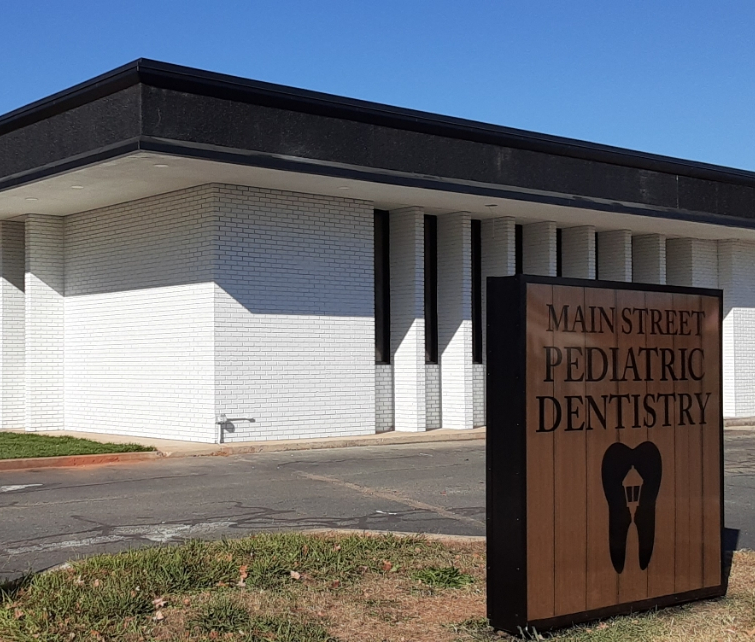
118 N Main St, Belmont, NC 28012

Category:

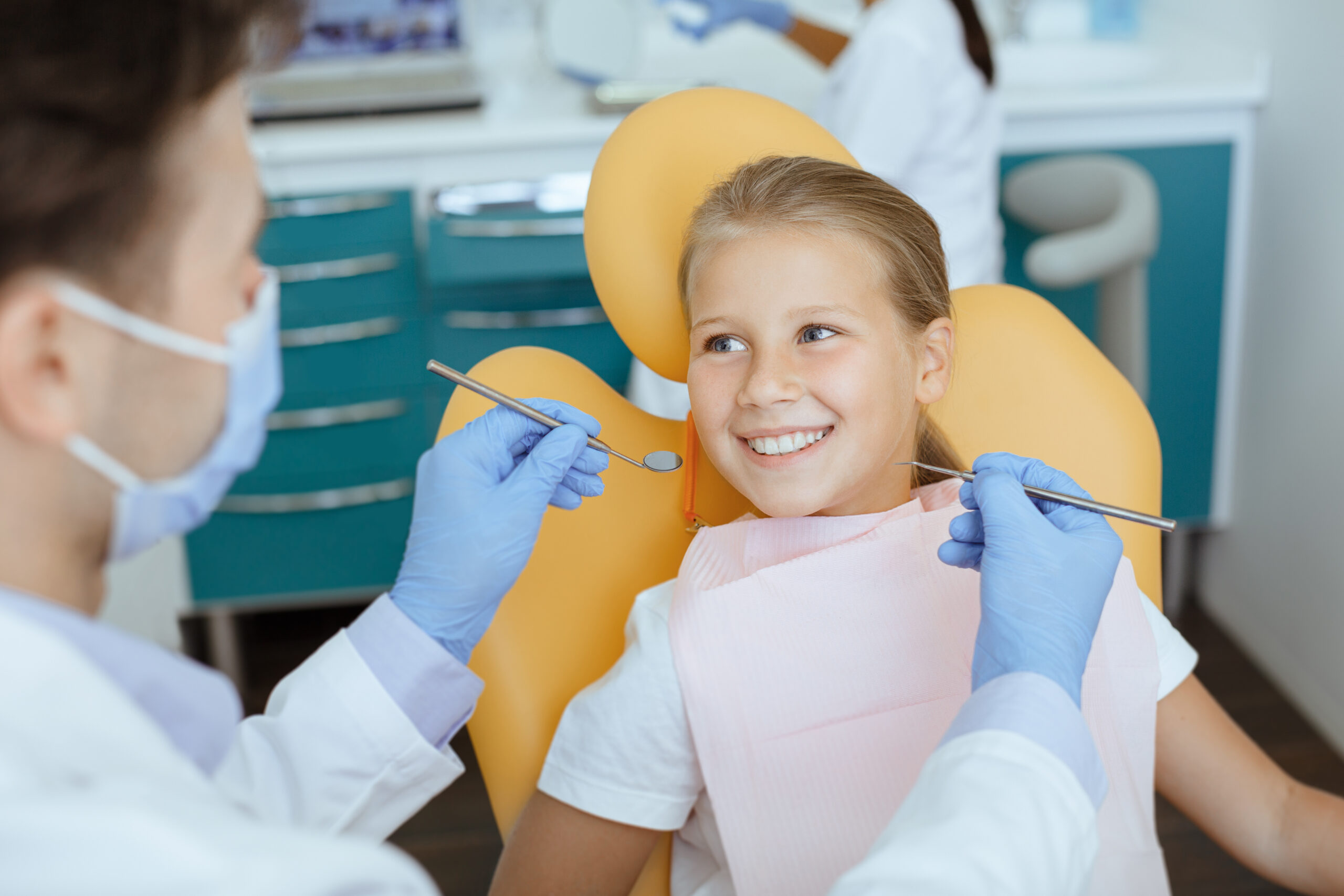
girl in the dentist's chair
Categories

Pediatric dentist examining a child's teeth during a routine dental exam


A routine dental exam checks more than cavities.  It also gives us a chance to see how your child’s teeth and bite are developing and answer questions about their care at home.  Regular visits help us identify concerns early and recommend care based on your child’s needs.

At Main Street Pediatric Dentistry of Belmont, Dr. Matthew Savage is the sole dentist in the practice.  Seeing the same dentist helps children become familiar with their visits and allows Dr. Savage to follow their dental development over time.

What to Expect During the Visit

During your child’s appointment, we review any changes in their health and discuss concerns such as tooth pain, brushing difficulties or new habits.  The visit may include a dental cleaning and fluoride treatment  based on your child’s age and needs.  Cleaning removes plaque and buildup, while fluoride helps strengthen enamel and protect against cavities.

Dr. Savage examines your child’s teeth, gums and bite.  He checks for decay and follows how baby teeth and permanent teeth are coming in.  Children can watch a show on our ceiling-mounted TVs during their visit, which can help them feel more comfortable.

When needed, digital X-rays provide information that cannot be seen during the examination alone, such as decay between teeth or the position of developing teeth.  Dr. Savage recommends X-rays based on your child’s examination findings, dental development and cavity risk.

Before you leave, we explain what we found and discuss any recommended next steps.  There is also time to ask questions about your child’s dental care.

What We Look for During the Exam

Each examination considers your child’s age and stage of development.  Areas we evaluate include:

  • Teeth: Signs of decay, wear or damage and how new teeth are coming in.
  • Gums and mouth: Signs of inflammation, swelling or other changes.
  • Bite and development: How the teeth fit together and whether spacing or crowding needs monitoring.
  • Daily habits: Brushing, food and drink choices and habits such as thumb sucking or pacifier use.

These findings help us offer guidance that fits your child.  We can explain what to watch for at home and whether a concern needs treatment or continued observation.

How Regular Visits Help Protect Your Child’s Teeth

Many children benefit from checkups about every six months.   American Academy of Pediatric Dentistry recommends a checkup roughly every six months for most children.  Children with a higher risk of cavities or other concerns may need more frequent visits.  Dr. Savage will recommend a schedule based on your child’s needs.

Finding decay early may allow for simpler treatment.  Regular visits also give us opportunities to strengthen prevention through fluoride, brushing guidance, and changes to eating or drinking habits.

Dr. Savage may recommend dental sealants for permanent molars with deep grooves.  Sealants cover these areas to help keep food and bacteria from collecting in them and reduce the risk of cavities.

Pediatric Dental Care in Belmont

Dr. Savage is a board-certified pediatric dentist with more than 20 years of experience caring for children.  Our independently owned office in Belmont gives families the opportunity to build an ongoing relationship with the dentist who follows their child’s care.

Whether your child is coming for a first visit or a regular checkup, we want you to understand their dental health and feel comfortable asking questions.   Contact us to schedule your child’s next appointment.

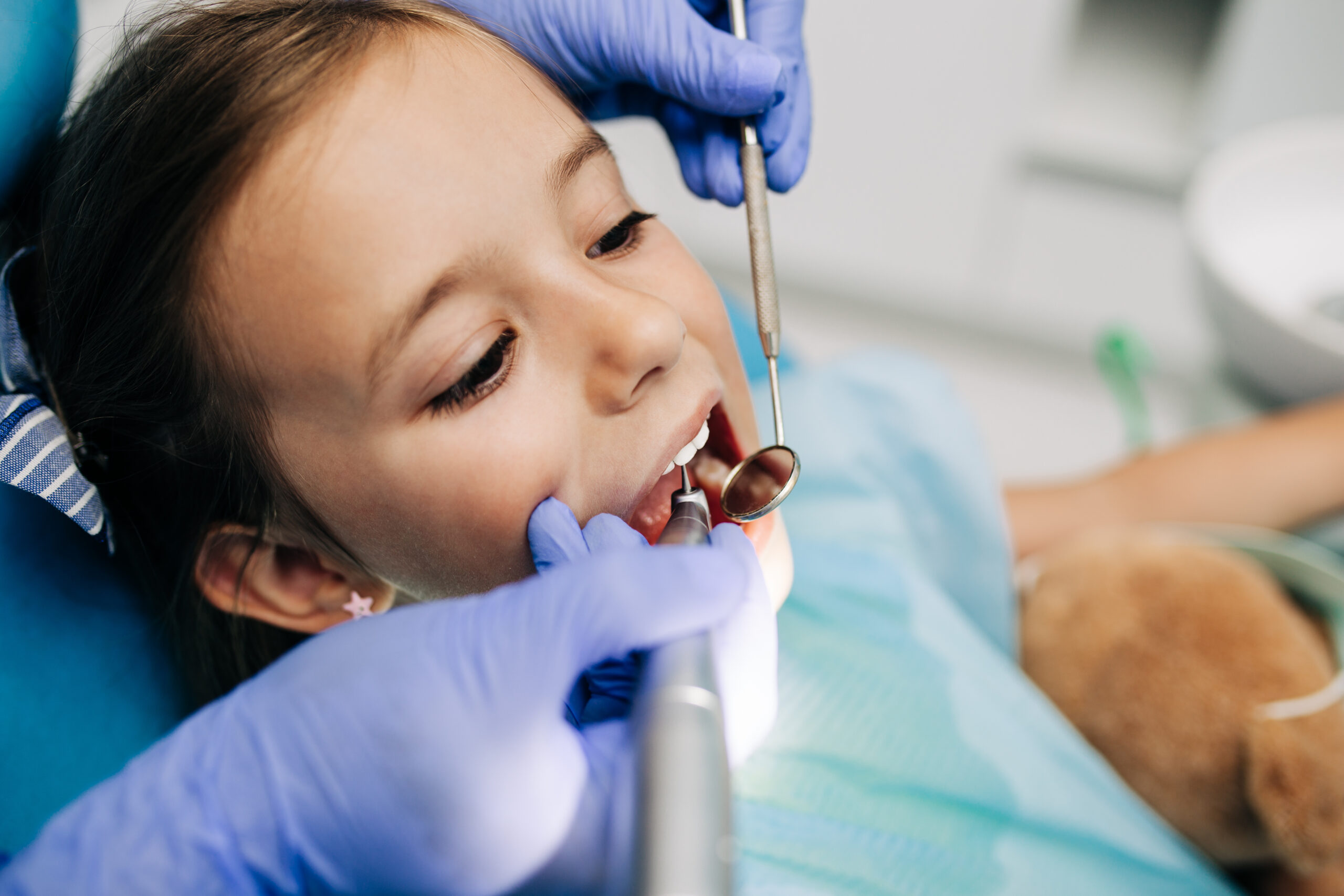
Mother and baby visiting the pediatric dentist to help prevent baby bottle tooth decayA tiny row of pearly white teeth can go from healthy to damaged faster than most parents expect, sometimes before a first birthday party is even planned. Baby bottle tooth decay happens when sugary liquid sits against your child’s teeth for long stretches, most often from a bottle carried through naps or bedtime and it usually shows up first on the upper front teeth.
The good news is that small changes can make a big difference when baby bottle tooth decay is caught early. Regular dental exams give Dr. Matthew Savage of Main Street Pediatric Dentistry of Belmont a chance to spot changes in your child’s enamel before they become more serious. Understanding what causes this type of decay can also help you make simple adjustments at home to better protect those first teeth.

What Causes Baby Bottle Tooth Decay

Baby bottle tooth decay develops when milk, formula or juice pools around a child’s teeth for extended periods, giving bacteria in the mouth a steady supply of sugar to feed on. Every time your child sips something sweet, those bacteria produce acid that wears down the thin enamel on primary teeth, and repeated exposure without a break for saliva to rinse the mouth speeds up that process considerably.

The habit most commonly linked to this pattern is falling asleep with a bottle, because saliva flow slows during sleep and the liquid has nowhere to go but to pool around the teeth. Sharing spoons or cleaning a dropped pacifier with your own mouth can also pass decay-causing bacteria to your child, which is worth keeping in mind even though it rarely gets mentioned.

How Main Street Pediatric Dentistry of Belmont Helps Protect Your Child’s Smile

Prevention starts well before that first tooth even breaks through the gum line. Wiping your baby’s gums with a clean, damp cloth after feedings removes leftover milk residue, and once teeth appear, a soft-bristled brush with a small amount of toothpaste keeps them clean without irritating sensitive gums. Dr. Matthew Savage also offers in-office fluoride treatments that strengthen developing enamel and give your child’s teeth extra protection against acid attacks. A few simple habits go a long way toward protecting your child’s teeth. These include:

  • Bedtime bottles: fill nighttime bottles with plain water instead of milk or juice.
  • Weaning timeline: transition your child off the bottle around their first birthday.
  • Shared utensils: use separate spoons and cups for your child rather than your own.
  • Routine cleanings: schedule professional cleanings as soon as the first tooth arrives.


Building these habits into your daily routine takes very little extra effort, and pairing them with professional dental cleanings removes plaque before it can further weaken your child’s teeth.

Recognizing Early Signs of Decay

Catching baby bottle tooth decay in its earliest stage gives your child the best chance at a simple, comfortable fix. Chalky white spots near the gum line are often the very first sign, appearing well before any visible cavity forms and they represent an opportunity to reverse the damage with better home care and professional guidance rather than more involved treatment.

National research on early childhood caries backs up how common this issue really is. According to a study published by the Centers for Disease Control and Prevention, nearly one in four children between the ages of two and five have already had a cavity in a primary tooth and about ten percent of those children have a cavity that has gone untreated. If decay progresses further, Dr. Matthew Savage can address it with dental fillings designed specifically for small, developing teeth, restoring both function and comfort quickly.

Choose Main Street Pediatric Dentistry of Belmont for Your Child’s Care

Preventing baby bottle tooth decay does not require getting everything perfect. A few good habits at home, along with regular dental visits, can go a long way toward keeping your child’s first teeth healthy. Dr. Matthew Savage and our team at Main Street Pediatric Dentistry of Belmont can help you know what to watch for, answer questions about your child’s routine, and catch potential concerns early.

Your child’s early dental visits are also a chance to help them become more familiar and comfortable with going to the dentist. If you have questions about brushing, bottle habits, or anything you notice about your child’s developing smile, contact us to schedule a visit. We are always happy to help parents feel a little more confident about caring for those first teeth.

Child receiving pulp therapy treatment in a pediatric dental chair

A tiny cavity can spread faster in baby teeth than most parents expect, and by the time a child complains about a sore tooth, the decay may have already reached the nerve inside. That moment, hearing your child’s dentist mention “pulp therapy,” can feel alarming if you have never heard the term before.

Main Street Pediatric Dentistry of Belmont helps families understand exactly what this treatment involves and why it may be recommended for a child’s tooth. Pulp therapy is one of the more common procedures used to save a decayed or injured tooth rather than remove it, and Dr. Matthew Savage walks every family through the process in plain, reassuring language.

What Is Pulp Therapy?

The pulp is the soft tissue inside a tooth that contains its nerves and blood vessels. If deep decay or an injury reaches the pulp, it can become inflamed or infected and may eventually threaten the tooth. Pulp therapy treats the affected tissue while preserving as much of the tooth as possible, allowing a damaged baby tooth to remain in place until it is ready to fall out naturally.

The type of pulp therapy a child needs depends on how far the problem has progressed. A pulpotomy treats the pulp inside the crown of the tooth while leaving healthy tissue in the roots intact. In some cases, only the inflamed portion of the pulp needs to be removed, which is known as a partial pulpotomy. If infection or damage extends into the root canals, a pulpectomy removes the pulp throughout the tooth. After treatment, a primary molar may need a crown.  At Main Street Pediatric Dentistry of Belmont we offer both the traditional stainless steel crowns or a white crown.  Both are used to restore and protect the remaining tooth structure.

When Does a Child Need Pulp Therapy?

Not every cavity requires pulp therapy. A small cavity that has not reached the nerve can often be treated with a simple dental filling, but certain signs indicate the tooth needs more than that.   Some problems have few obvious symptoms and that an examination and X-rays help determine the treatment needed.   However sometime there are signs and symptoms of an issue.  

  • Lingering pain: Tooth pain that continues well after eating something hot or cold.
  • Swelling: A small bump or swollen area on the gum near a tooth.
  • Discoloration: A tooth that has turned gray, dark, or noticeably different from surrounding teeth.
  • Spontaneous discomfort: Pain that shows up without an obvious trigger, including at night.

If your child suddenly develops swelling or significant pain, call our office at (980) 990-2878 right away so we can see them as soon as possible.  Waiting on these signs can allow an infection to spread, which is part of why Main Street Pediatric Dentistry of Belmont encourages families to schedule an exam at the first hint of a problem rather than wait it out at home.

How We Treat Pulp Therapy in Kids

Dr. Matthew Savage is the only dentist in the practice, so he personally evaluates and treats each child who comes to Main Street Pediatric Dentistry of Belmont.  When pulp therapy is being considered, he evaluates the child’s symptoms, the condition of the tooth, and the extent to which the pulp has been affected before recommending treatment. The American Academy of Pediatric Dentistry similarly outlines different pulp therapy techniques based on factors such as the condition of the pulp and whether the tooth is primary or permanent.

A child who is anxious about the procedure may also have options for making treatment easier to manage.  We offer sedation dentistry when appropriate based on the child’s needs and the treatment being performed.  Before getting started, Dr. Savage can explain what he found, why a particular treatment is being recommended, and what your child can expect during the appointment.

Protect Your Child’s Smile at Main Street Pediatric Dentistry of Belmont

With more than 20 years of experience as a board-certified pediatric dentist, Dr. Matthew Savage has treated countless children through pulp therapy and every other stage of their dental care. He is the sole provider at a locally owned practice, which allows him to build real familiarity with each child, so appointments feel less intimidating and treatment plans stay consistent from one visit to the next.

If your child has a cavity, injury, or lingering tooth pain that may need attention, our team can help determine the right next step for their smile. Contact us to schedule a visit with Main Street Pediatric Dentistry of Belmont.

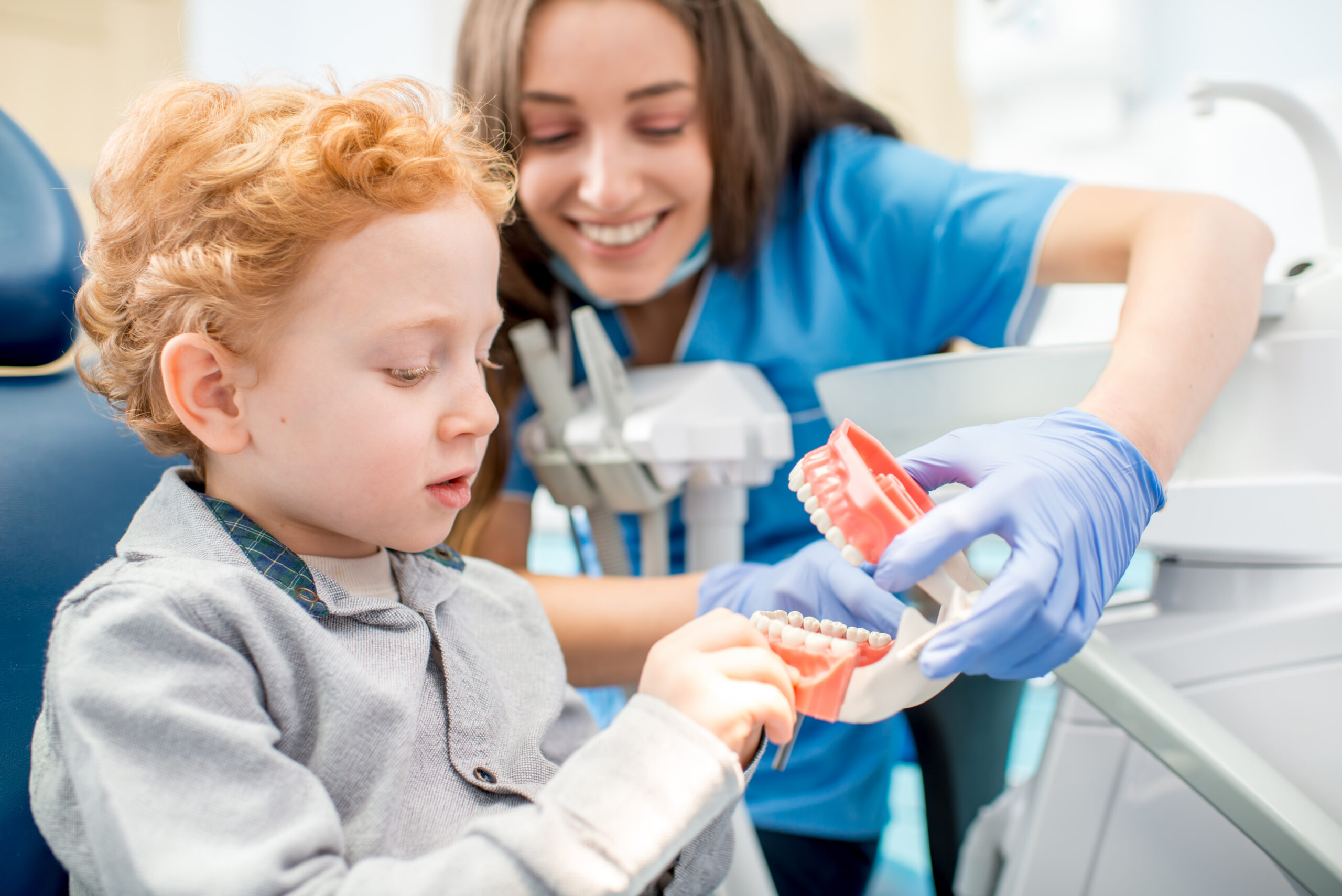
Female pediatric dentist showing a young boy a model jaw at the dental officeFor families raising a child on the autism spectrum, finding the right pediatric dentist can take some extra consideration. Sensory sensitivities, unfamiliar environments, changes in routine, and anxiety can all make a dental visit more challenging. When a practice does not understand or accommodate those needs, an already stressful appointment can become even harder and shape how a child feels about dental care in the future.


Dr. Matthew Savage has cared for children with a wide range of needs and abilities for more than two decades at Main Street Pediatric Dentistry of Belmont. As a board-certified pediatric dentist experienced inspecial needs dentistry, he knows autistic children are not difficult patients. They may just need more time, a different approach, and a dentist willing to meet them where they are.

Why the Right Dentist Makes All the Difference

Pediatric dental care for autistic children is about more than cleaning teeth. It is about building trust, managing sensory input, and creating a predictable experience that your child can handle and even grow comfortable with over time. A dentist who lacks training in behavior management may rush through appointments or use techniques that overwhelm a child on the spectrum, making cooperation harder with every visit rather than easier.

Working with a dentist who has dedicated their career to children, including those with developmental differences, changes the outcome entirely. TheAmerican Academy of Pediatric Dentistry recognizes that children with special health care needs face significant barriers to access to oral health care, making early, consistent care with the right provider especially important. At our practice, we take the time to learn each child’s triggers, preferences and comfort levels before any treatment begins.

What Sets a Special-Needs-Friendly Dental Practice Apart

Not every pediatric dental office is equally prepared to care for autistic children, and knowing what to look for can help you evaluate your options with more confidence. A practice that genuinely supports children on the spectrum will reflect that commitment throughout the entire experience. There are several key markers of a well-matched dental home for an autistic child:

  • Behavior management training: Look for a provider who uses evidence-based approaches such as tell-show-do, positive reinforcement, and paced desensitization to build cooperation gradually.
  • Sensory-aware environment: A thoughtful practice that minimizes unnecessary sensory stimulation by adapting the pace and environment to your child’s individual responses.
  • Sedation availability: When a child needs additional support to complete dental treatment safely,sedation dentistry can be an appropriate and compassionate option.
  • Technology that reduces discomfort: Our practice uses a digital intraoral scanner, which eliminates the messy, uncomfortable traditional impressions that can be particularly distressing for children with sensory sensitivities.

These are not just nice-to-have features. They are the foundation of dental care that actually works for children with autism. Ourfull range of services is structured around these principles, with the goal of supporting every child’s oral health from their very first visit.

The Power of Consistency for Kids on the Spectrum

One of the most underappreciated qualities to look for in a pediatric dental practice is consistency. When a child knows exactly who they will see, where they will sit and how the appointment will unfold, the dental office shifts from an unknown threat into a familiar routine. That shift matters enormously for children who depend on predictability to feel safe.

Dr. Matthew Savage is the only dentist at our practice, so every patient sees him at every appointment. There are no rotating providers, no unfamiliar faces and no variations in approach from visit to visit. Over time, regulardental exams become something your child learns to expect, and with expectation comes comfort. That kind of relationship is one of the most powerful tools we have for helping children on the spectrum build lasting, positive dental habits.

Find Your Child’s Dental Home at Main Street Pediatric Dentistry of Belmont

Choosing the right dentist for an autistic child is one of the most meaningful decisions you can make for their long-term oral health and overall well-being. Dr. Matthew Savage is a board-certified pediatric dentist with over 20 years of experience, specialized training in behavior management and a genuine dedication to meeting each child exactly where they are. AtMain Street Pediatric Dentistry of Belmont, we believe that compassionate, consistent care is not a luxury. It is a standard.

When you are ready to find a dental home that works for your child, we invite you toreach out to our team and schedule an appointment with Dr. Matthew Savage. We would love the opportunity to show your child that dental care can be comfortable, predictable and worth looking forward to.

Child giving a high five to a pediatric dentist after dental treatment at Main Street Pediatric Dentistry of Belmont

For some children, sitting in a dental chair feels nearly impossible. Whether it is deep-rooted anxiety, sensory sensitivities, or a procedure that requires extended time to complete, sedation dentistry opens the door to care that might otherwise feel out of reach. When administered by a trained and experienced provider, it gives children the chance to receive the treatment they need without distress.

At Main Street Pediatric Dentistry of Belmont, Dr. Matthew Savage brings over 20 years of experience as a board-certified pediatric dentist to every appointment. He evaluates each child individually and works closely with families to determine the best path forward. Our pediatric sedation dentistry services are designed to create calm and comfortable experiences for children who need a little extra support to get through care.

When Sedation Dentistry Makes Sense for Kids

Sedation is not reserved for children with severe dental fear. Many situations can make it the most practical and compassionate choice available. Very young children, particularly toddlers, often have difficulty staying still throughout an appointment, which can compromise the quality and safety of treatment. In those cases, sedation allows Dr. Matthew Savage to work effectively and thoroughly without putting the child through an unnecessarily stressful experience.

Children who need multiple procedures completed in one visit are also strong candidates. Spreading extensive treatment across many appointments can be hard on kids and families alike. Sedation allows more to be accomplished in a single visit, which reduces the overall burden on the child. It is also frequently recommended for children who have developmental differences or medical conditions that make traditional behavior management difficult, including many of the children we see through our pediatric special needs dentistry services.

Sedation Options for Children

Pediatric sedation is not a one-size-fits-all solution. Dr. Matthew Savage takes time to understand each child’s health history, age and the nature of the treatment before making a recommendation. This ensures that every family feels confident and informed before moving forward.

Nitrous Oxide

Nitrous oxide, commonly known as laughing gas, is the most widely used sedation option in pediatric dentistry. It is delivered through a small mask placed over the nose and takes effect within a few minutes. Children remain conscious and responsive throughout the appointment, feeling calm and at ease. It is a well-suited option for children with mild-to-moderate anxiety and wears off quickly once the mask is removed.

Oral Conscious Sedation

Oral conscious sedation uses a liquid or pill medication taken before the appointment. Children become deeply drowsy and relaxed but typically remain conscious and responsive. It is suited to children with moderate-to-high anxiety and to longer procedures. A responsible adult must drive the child home afterward.

General Anesthesia

For children with more complex needs, general anesthesia may be the safest and most effective choice. A licensed anesthesiologist administers this form of sedation in a controlled facility setting while Dr. Matthew Savage handles the dental work. This allows children who would not be able to cooperate through traditional methods to receive comprehensive care comfortably. It is particularly helpful for children with significant medical histories or those requiring extensive treatment, such as multiple restorations or care following a pediatric dental emergency.

What Parents Should Know About Safety

The American Academy of Pediatric Dentistry’s guidelines for pediatric sedation outline a thorough standard of care that includes careful pre-sedation evaluation, active monitoring throughout the procedure, and structured recovery protocols. Knowing what is expected before the appointment can help parents prepare effectively. Here are a few key things to have ready:

  • Medical history: share information about any known conditions, past surgeries, or relevant diagnoses
  • Current medications: provide a full and up-to-date list of anything your child takes regularly
  • Prior reactions: let the team know if your child has had any previous response to sedation or anesthesia
  • Recovery plan: set aside time for a calm and restful day at home after the procedure

Gathering this information in advance makes the process smoother for everyone. Keeping up with routine dental exams also helps us track your child’s oral health over time and anticipate treatment needs before they become urgent.

A Calmer Dental Experience Is Possible for Your Child at Main Street Pediatric Dentistry of Belmont

As a locally owned practice with Dr. Matthew Savage as the sole provider, Main Street Pediatric Dentistry of Belmont offers families a consistent relationship with one trusted dentist from the first visit through every stage of childhood. That continuity matters. Children who see the same dentist regularly build trust more easily and often handle more involved appointments with greater ease. Our team is trained in gentle behavior management and committed to making every visit a positive experience for every child who walks through our door.

If you are wondering whether sedation dentistry is the right option for your child, we would love to help you find the answer. Contact our office today to schedule a consultation with Dr. Matthew Savage and take the first step toward comfortable dental care.

Lovely little kid smiling while talking with the pediatric dentist after a dental exam

When a child needs more than a filling to protect a damaged or decayed tooth, a pediatric dentist may recommend a crown. If that crown is white and tooth-colored instead of silver, many parents find the recommendation a little easier to hear. White crowns are made from a ceramic material called zirconia, and they provide the same full-coverage protection as traditional metal crowns while blending naturally with a child’s smile. Knowing what they are and when they are needed takes a lot of the unknown out of the conversation.

At Main Street Pediatric Dentistry of Belmont, Dr. Matthew Savage recommends white crowns when a tooth’s condition calls for complete coverage and long-term support. As a Board-Certified Pediatric Dentist with over 20 years of experience, he carefully evaluates each child’s situation and chooses restorations that protect the tooth without going beyond what is necessary. Our approach is always prevention-focused, and when a crown is the right call, we make sure the experience is as smooth as possible for every child.

What Are White Crowns for Kids?

White crowns for children are prefabricated, full-coverage restorations made from zirconia, a strong ceramic material that closely mimics the look and color of natural tooth enamel. They are placed over a primary tooth that has been shaped and prepared, forming a snug cap that seals and stabilizes the entire structure. The result is a restoration that is virtually indistinguishable from a natural tooth, which matters to kids and parents alike.

A 2025 comprehensive review published in Cureus found that zirconia crowns offer better gingival health, high fracture resistance, and strong parental satisfaction compared to other restorative options for primary teeth, making them a biocompatible, long-lasting choice for children. Beyond their aesthetics, white crowns are durable enough to last through childhood, maintaining healthy spacing and proper function until a child’s permanent teeth are ready.

What Does the Process Look Like?

Placing a white crown is a straightforward procedure that Dr. Matthew Savage completes in a single visit. The tooth is gently prepared to make room for the crown, and thanks to our intraoral scanner, this process does not require messy impressions. Once the tooth is shaped, the zirconia crown is fitted and cemented securely into place.

Most children tolerate the procedure well, especially with the calm and reassuring approach our team takes at every step. Since Dr. Matthew Savage is the only dentist at the practice, your child sees the same familiar face at each visit, which builds comfort and confidence over time. This consistency, paired with careful behavior management techniques, helps make the experience as stress-free as possible for young patients.

When Does a Child Need a White Crown?

White crowns are not a one-size-fits-all solution, but there are clear situations where they are the most protective choice. Here is a closer look at some of the most common scenarios Dr. Matthew Savage encounters.

Severe Tooth Decay

When cavities advance beyond what a dental filling can adequately restore, a crown provides the full coverage needed to protect the remaining tooth structure. This is particularly common in young children, where early childhood caries can develop quickly and leave a large portion of the tooth compromised.

After Pulp Therapy

Pulp therapy, sometimes called a baby root canal, removes infected tissue from inside the tooth to relieve discomfort and stop the spread of decay. This treatment affects the tooth’s structural integrity, so a crown is placed immediately afterward to restore its shape and strength. This allows the tooth to stay functional until the permanent tooth beneath it is ready to erupt.

Broken or Weakened Teeth

A tooth that has fractured or been significantly weakened by a prior restoration may not be supportable with a filling alone. A white crown provides the full-coverage seal that keeps the tooth intact and protects it from further damage, giving your child a comfortable bite while the tooth remains in place.

Developmental Enamel Defects

Some children are born with enamel that did not form as strongly as it should have, leaving certain teeth more prone to wear, sensitivity, or breakdown. A white crown restores the natural shape and strength of these teeth, protecting them through the years before they naturally give way to permanent teeth.

The Benefits of Choosing White Crowns

A white crown does more than restore a tooth’s appearance. It maintains healthy spacing and helps neighboring teeth stay properly positioned until the permanent teeth are ready, all while allowing your child to chew and speak comfortably day-to-day.

Parents and pediatric dentists choose zirconia crowns for primary teeth for several reasons:

  • They blend naturally with surrounding teeth, which helps children feel confident in social situations
  • Zirconia is a biocompatible material that is safe and gentle on surrounding gum tissue
  • These crowns are built to withstand the forces of biting and chewing throughout childhood
  • They provide a complete seal that protects the restored tooth from further decay

A crown is not only about how the tooth looks. It is about keeping that tooth functional and healthy for as long as it needs to be there. For children who need additional support during their visit, we also offer sedation dentistry to keep the experience calm, safe, and comfortable from start to finish.

Choose Main Street Pediatric Dentistry of Belmont for Your Child’s Crown Care

When your child needs a crown, knowing it is placed by someone who genuinely knows kids makes all the difference. Dr. Matthew Savage is a Board-Certified Pediatric Dentist with over 20 years of experience and the only dentist at Main Street Pediatric Dentistry of Belmont. Your child sees the same familiar face at every appointment, and that consistency helps us build the trust and continuity that support better outcomes and a more positive dental experience over time.

As a locally owned and operated practice, we are committed to providing every child in our community with attentive, compassionate care. To schedule an appointment or learn more about white crowns and other restorative options, fill out our contact form, and we will be happy to help.

Visit Main Street Pediatric Dentistry of Belmont Today

Office Hours:

Monday - Friday: 8:00 AM - 5:00 PM


Saturday: By Appointment Only


Sunday: Closed

Main Street Pediatric Dentistry office