

118 N Main St, Belmont, NC 28012

Category: Preventive Dentistry

girl in the dentist's chair
Categories

practices. The truth is that establishing healthy brushing habits early can have a profound impact on your child’s lifelong dental health, yet research shows that nearly 80 percent of children do not begin brushing at the recommended age. When children develop consistent routines from an early age, they are more likely to maintain excellent oral health throughout their lives.

At Main Street Pediatric Dentistry, Dr. Matthew Savage understands that every child develops at their own pace and requires individualized guidance to build strong oral health habits. As a board-certified pediatric dentist with 20 years of experience, Dr. Savage works closely with families throughout Belmont and surrounding areas from Gastonia and beyond to establish effective home care routines that grow with each child. As the sole dentist at the practice, Dr. Savage provides consistent, comprehensive care that helps children feel comfortable while developing the skills they need for a lifetime of healthy smiles.

Why Early Brushing Habits Matter

Starting oral care early sets the foundation for a lifetime of healthy teeth and gums. According to the Centers for Disease Control and Prevention, children who brush their teeth at least twice a day experience significantly fewer cavities than those who brush less frequently. Despite this clear benefit, only about 60 percent of children brush their teeth twice daily, and many start brushing later than dental professionals recommend.

The consequences of delayed or inconsistent brushing extend beyond immediate dental health. Children who do not establish proper brushing routines early are more likely to develop cavities in their baby teeth, which can affect the development and alignment of permanent teeth. Additionally, early childhood cavities can impact a child’s ability to eat comfortably, speak clearly, and feel confident in social situations.

Building positive associations with tooth brushing during the early years also makes dental care feel natural rather than burdensome. When children learn that brushing is simply part of their daily routine, they are more likely to continue these habits independently as they grow older. Dental exams provide an opportunity to assess whether home brushing techniques are effective and to address any concerns before they become problems.

Age-Appropriate Brushing Techniques

Different stages of childhood require different approaches to oral care. Understanding what to expect at each developmental milestone helps parents provide the right level of support while encouraging independence at appropriate times.

Infants (0-12 Months)

Oral care should begin even before the first tooth appears. Parents can gently wipe their baby’s gums twice daily using a soft, clean cloth to remove bacteria and sugars that accumulate from milk or formula. This simple practice not only keeps the mouth clean but also helps babies become accustomed to having their mouths touched, which makes the transition to tooth brushing easier.

When the first tooth emerges, usually around six months, parents should begin brushing with a soft-bristled infant toothbrush. Brush the erupted teeth but go ahead and brush towards the back corners where the teeth will one day erupt. The key at this stage is establishing the routine rather than achieving perfect technique. Many babies will want to grab the toothbrush or chew on it, which is normal exploratory behavior. At this stage, use a non fluoridated tooth paste or nothing at all on the toothbrush. The toothbrush is doing the work!

Toddlers (1-3 Years)

As children enter the toddler years, they become more aware of brushing as a distinct activity. Parents should be using a rice-grain-sized amount of fluoride toothpaste and brush all visible tooth surfaces twice daily. This is also the time when many toddlers want to assert their independence and may insist on brushing themselves.

Allowing toddlers to practice holding the toothbrush and making brushing motions helps develop motor skills and enthusiasm for the activity. However, parents should always follow up with thorough brushing, especially at night, to ensure all surfaces are properly cleaned. Making brushing a fun, positive experience through songs, games, or special toothbrushes featuring favorite characters can help reluctant brushers develop more cooperative attitudes.

Preschoolers (3-6 Years)

Preschool-aged children can use a pea-sized amount of fluoride toothpaste (if they are great spitters!) and should be closely supervised to ensure they spit out the toothpaste rather than swallowing it. Stick to a rice-sized amount of toothpaste until they are doing a great job spitting.  At this age, children are developing better fine motor control but still lack the coordination for thorough brushing. Parents should encourage children to brush independently while understanding that assistance will still be needed.

Teaching preschoolers to brush for two minutes can be challenging, so using timers, songs, or apps designed for this purpose can help. Dental sealants applied during dental cleanings provide additional protection for molars during this cavity-prone stage, but they work best in combination with consistent home brushing habits.

School-Age Children (6+ Years)

Children around age six typically develop the manual dexterity needed to brush their own teeth effectively, though supervision remains important. Parents should watch their school-age children brush to ensure they are reaching all tooth surfaces and brushing for the full two minutes. The arrival of permanent molars around this age makes thorough brushing even more critical.

This is also the stage when children may resist parental oversight, viewing it as an infringement on their independence. Rather than backing away entirely, parents can shift their role to occasional spot-checks and positive reinforcement. Discussing the importance of oral health in age-appropriate terms helps children understand why brushing matters beyond simply following rules.

Common Challenges and Solutions

Even with the best intentions, many families encounter obstacles to consistent brushing. Recognizing common challenges and having strategies to address them can prevent minor setbacks from becoming long-term problems.

Some children resist brushing because they dislike the sensation of the toothbrush or the taste of toothpaste. Experimenting with different toothbrush sizes, bristle softness, and toothpaste flavors often resolves this issue. Other children struggle with the routine aspect of twice-daily brushing, particularly at bedtime when they are tired. Creating visual charts or reward systems can help reinforce the habit without turning brushing into a battle.

Busy schedules and morning rushes can also disrupt brushing routines. Establishing a consistent time and place for brushing helps cement the habit. Some families find that brushing together as a family makes the activity more enjoyable and ensures everyone completes their oral care. For children who have difficulty standing still for two minutes, playing music or setting up a special mirror at their height can make the time pass more pleasantly.  

Partner with Main Street Pediatric Dentistry for Lifelong Oral Health

Building healthy brushing habits requires patience, consistency, and age-appropriate techniques that evolve as your child grows. Dr. Savage and the team at Main Street Pediatric Dentistry provide the guidance and support families need to establish and maintain excellent oral hygiene routines. As a locally owned and operated practice with a sole practitioner model, Main Street Pediatric Dentistry offers the continuity of care that helps children feel comfortable and receive comprehensive treatment plans tailored to their unique needs.

Whether your child needs their first dental visit, routine cleanings, or help overcoming dental anxiety, Dr. Savage combines gentle techniques with 20 years of specialized experience to create positive dental experiences. Contact Main Street Pediatric Dentistry today to schedule an appointment and take the next step in supporting your child’s oral health journey.

Starting your child’s dental care early creates the foundation for a lifetime of healthy smiles. Many parents wonder when to begin preventive care and what steps to take to protect their child’s developing teeth from cavities and other problems.

At Main Street Pediatric Dentistry of Belmont, Dr. Matthew Savage works with families throughout Belmont and surrounding communities to establish comprehensive preventive care routines that protect young teeth and teach children the importance of good oral hygiene habits from an early age. Prevention is the most effective approach to excellent long-term oral health, and it starts sooner than most parents expect.

When to Start Preventive Dental Care

The path toward excellent oral health begins even before your child’s first tooth appears. During pregnancy, mothers can support their baby’s dental development by maintaining their own oral health, eating a balanced diet rich in calcium and vitamins, and avoiding substances that can affect tooth formation.

Once your child’s first tooth erupts, usually around six months of age, it is time to begin daily oral care routines. The American Dental Association recommends children have their first dental visit by age one or within six months of their first tooth appearing. This early visit allows your pediatric dentist to assess development, provide guidance on proper care techniques, and identify any potential concerns before they become serious problems.

Essential Components of Early Preventive Care

Home care routines: Establishing consistent home care routines is crucial for preventing cavities and maintaining healthy teeth and gums. For infants, gently wipe teeth and gums with a soft, damp cloth after feeding. As more teeth erupt, transition to a soft-bristled toothbrush with fluoride toothpaste appropriate for your child’s age.

Proper brushing technique involves gentle, circular motions that clean all tooth surfaces and the gumline. Young children need assistance with brushing until they develop the fine motor skills necessary for effective cleaning, typically around age 6 or 7. Make brushing enjoyable by using colorful toothbrushes, fun flavored toothpastes, and songs or timers to ensure adequate cleaning time.

Dietary considerations: Nutrition plays a vital role in dental health, and early dietary choices can significantly impact your child’s cavity risk. Limit sugary snacks and drinks, especially between meals when saliva production is lower and teeth are more vulnerable to acid attacks from bacteria. Instead, offer healthy options like fresh fruits, vegetables, cheese, and water.

Avoid putting babies to bed with bottles containing milk, formula, or juice, as prolonged exposure to these liquids can cause severe tooth decay known as baby bottle tooth decay. If your child uses a pacifier, choose one that is orthodontically designed and avoid dipping it in honey or other sweet substances that can promote cavity formation.

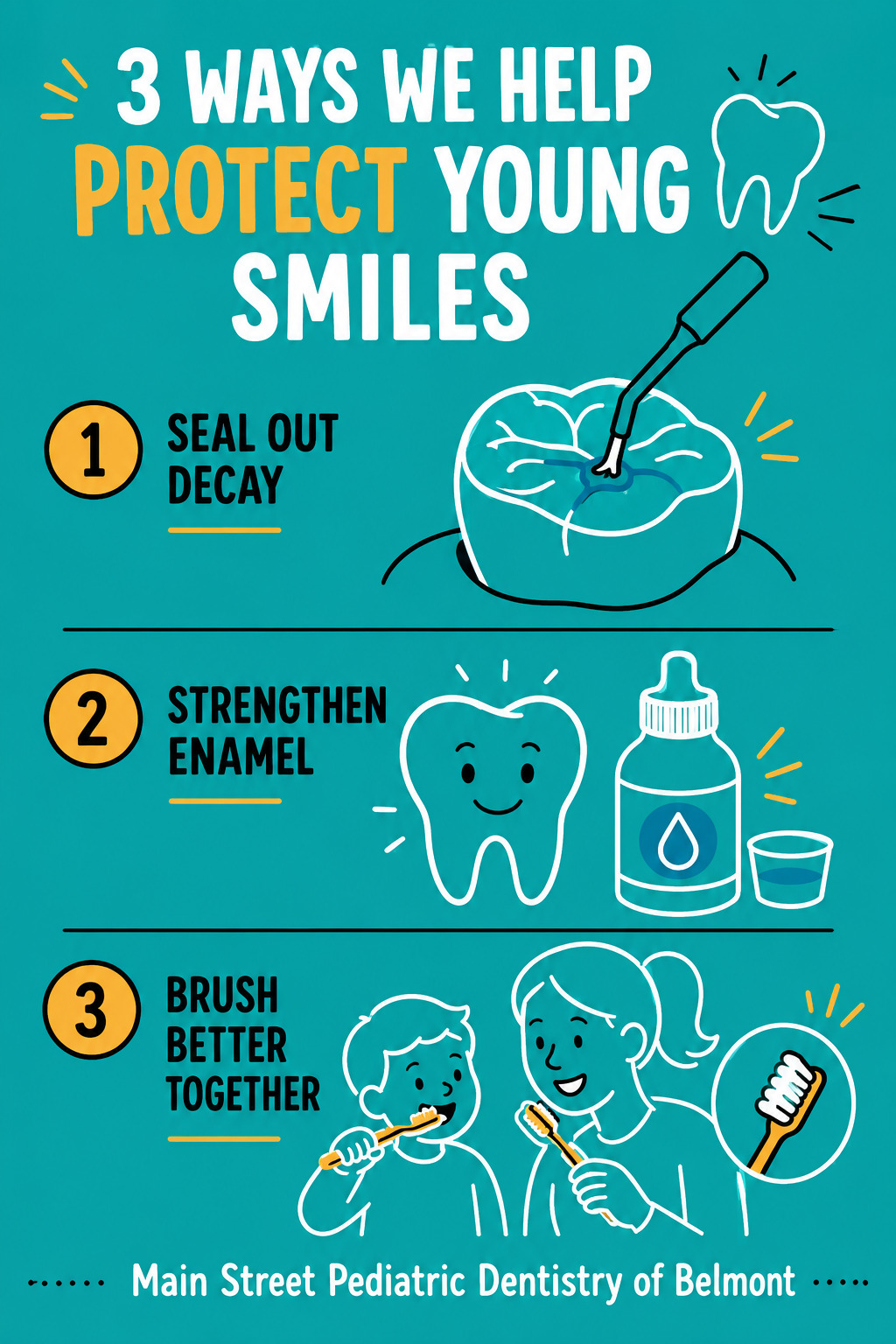
Professional preventive treatments: Regular dental visits provide opportunities for preventive treatments that go beyond what home care can achieve. Professional cleanings remove plaque and tartar buildup that can lead to cavities and gum disease. Fluoride treatments help strengthen tooth enamel and provide additional protection against decay-causing bacteria.

Dental sealants offer another layer of protection for children’s back teeth, where most cavities occur. These thin, protective coatings are applied to the chewing surfaces of molars, creating a barrier that prevents food particles and bacteria from settling in deep grooves and pits that are difficult to clean with regular brushing.

Creating Positive Dental Experiences

Early preventive care is not just about maintaining healthy teeth. It is also about creating positive associations with dental care that will benefit your child throughout their life. Choose a pediatric dentist who understands child development and uses age-appropriate communication techniques to help children feel comfortable and confident during visits.

Prepare your child for dental visits by reading books about dentists, talking about oral health in positive terms, and avoiding language that might create anxiety. Arrive early for appointments to allow time for your child to become familiar with the office environment, and bring comfort items if needed to help them feel secure.

Long-Term Benefits of Early Prevention

Children who receive early preventive dental care are less likely to develop cavities, require extensive treatment, or experience dental anxiety later in life. Early intervention can prevent minor problems from becoming major issues, saving families time, money, and discomfort while preserving your child’s natural teeth.

Children who learn proper oral hygiene habits early are also more likely to maintain these routines throughout their lives, leading to better overall health and reduced risk of gum disease, tooth loss, and other oral health problems in adulthood.

When should my child have their first dental visit?

The American Dental Association and the American Academy of Pediatric Dentistry both recommend scheduling a child’s first dental visit by their first birthday or within six months of their first tooth appearing, whichever comes first. Early visits allow the dentist to monitor development, provide home care guidance, and establish a positive relationship with dental care before any problems arise.

What actually happens at a preventive dental visit for a young child?

For young children, a preventive visit typically includes a gentle examination of the teeth, gums, jaw, and bite, along with a professional cleaning to remove plaque and tartar. The dentist will also assess your child’s fluoride intake, check for early signs of cavities, and provide guidance on brushing technique, diet, and habits like pacifier use. The whole appointment is designed to be calm, informative, and positive for both the child and parents.

Are fluoride treatments safe for toddlers?

Yes. Fluoride treatments applied in the dental office are safe and recommended by the American Academy of Pediatric Dentistry for children at risk of tooth decay. The amount used in a professional application is carefully measured for your child’s age and weight. Fluoride strengthens developing enamel and helps prevent cavities in both primary and permanent teeth.

How can I make brushing more enjoyable so my child actually does it?

Making brushing a shared activity helps. Brush your own teeth alongside your child to model the habit. Let them pick their toothbrush and a toothpaste flavor they enjoy. Use a two-minute timer, a fun song, or a brushing app to keep them engaged for the full time. For young children, taking turns brushing, child first and then parent finishing, makes the routine feel collaborative rather than imposed.

Building Healthy Habits at Main Street Pediatric Dentistry of Belmont

At Main Street Pediatric Dentistry of Belmont, Dr. Matthew Savage brings board-certified pediatric dental training and a genuine passion for working with children to create positive, educational experiences that set the foundation for lifelong oral health. Dr. Savage takes time with every young patient to make them feel comfortable and confident during visits, while teaching families practical preventive strategies that protect developing smiles in Belmont and the surrounding communities.

Give your child the advantage of comprehensive preventive care from the very beginning. Schedule your child’s first visit with Dr. Savage at Main Street Pediatric Dentistry of Belmont, where gentle care meets real education to build healthy habits that last a lifetime.

Sports participation offers tremendous benefits for children’s physical development, teamwork skills, and self-confidence. Athletic activities also come with real risks for dental injuries that can have lasting effects on your child’s oral health and smile. Knowing how to prevent and respond to dental sports trauma helps parents keep young athletes safer while they enjoy their favorite activities.

At Main Street Pediatric Dentistry of Belmont, Dr. Matthew Savage treats sports-related dental injuries throughout the year, from minor chips to more serious dental emergencies requiring immediate intervention. By taking proactive steps to protect your child’s teeth and knowing how to respond when injuries happen, you can minimize the long-term impact of sports-related dental trauma on your child’s oral health.

Common Types of Sports-Related Dental Injuries

Tooth fractures and chips: Fractured or chipped teeth are among the most common dental injuries in youth sports. These injuries range from minor chips affecting only the tooth’s outer layer to more severe fractures that expose the inner pulp. Even seemingly minor chips should be evaluated promptly, as they can lead to sensitivity, further damage, or infection if left untreated.

Basketball, baseball, and football are particularly associated with tooth fractures due to the potential for contact with balls, other players, or equipment. The impact force required to chip or fracture a tooth is surprisingly low, making protection essential even in sports that are not traditionally considered high-contact activities.

Knocked-out teeth: Complete tooth avulsion, where a tooth is fully knocked out of its socket, represents a true dental emergency requiring immediate action. The success of tooth reimplantation depends heavily on quick, appropriate response and prompt professional treatment. Permanent teeth have a much better chance of successful reimplantation than primary teeth, making proper emergency response critical for older children and teenagers.

Soft tissue injuries: Sports activities can cause cuts, bruises, and lacerations to the lips, cheeks, tongue, and gums. While these injuries may seem less serious than tooth damage, they can be quite painful and may require professional evaluation to ensure proper healing and to rule out more serious underlying damage to teeth or jaw structures.

High-Risk Sports and Activities

Certain sports carry higher risks for dental trauma than others. Contact sports like football, hockey, and lacrosse have well-documented associations with dental injuries, but many parents are surprised to learn that basketball and baseball also account for significant numbers of dental trauma cases each year.

Individual sports like cycling, skateboarding, and gymnastics can also result in dental injuries, particularly when falls or collisions occur. Even seemingly low-risk activities like playground games or physical education classes can lead to dental trauma when children collide with equipment, other participants, or hard surfaces.

Knowing the risk levels associated with your child’s activities helps you make informed decisions about protection and supervision while still allowing them to enjoy the benefits of athletic participation. The goal is not to avoid sports but to participate safely with appropriate protective measures in place.

Prevention Strategies for Athletic Dental Safety

Custom mouthguards: Professional custom-fitted mouthguards provide the best protection against sports-related dental injuries. Unlike store-bought options, custom mouthguards are designed specifically for your child’s mouth, ensuring proper fit, comfort, and protection. They are more likely to be worn consistently because they do not interfere with breathing or speaking during activities.

Custom mouthguards distribute impact forces across multiple teeth rather than concentrating them on individual teeth, significantly reducing the risk of fractures, chips, and complete tooth loss. They also provide cushioning for soft tissues, reducing the severity of cuts and bruises during impact.

Proper equipment and technique: Ensuring your child uses appropriate, well-fitted protective equipment beyond mouthguards can reduce overall injury risk. Helmets, face masks, and other protective gear should be properly sized and maintained according to manufacturer specifications and league requirements.

Teaching proper technique and emphasizing fair play also contributes to injury prevention. Children who know how to fall safely, avoid dangerous plays, and respect other participants are less likely to experience traumatic injuries during sports activities.

Emergency Response to Dental Sports Trauma

Immediate action steps: When dental trauma occurs during sports activities, a calm, quick response can make the difference between successful treatment and permanent damage. For knocked-out permanent teeth, time is critical. The best outcomes occur when teeth are reimplanted within 30 minutes of injury.

Handle a knocked-out tooth by the crown, avoid touching the root, and rinse gently if dirty. If possible, try to reinsert the tooth into its socket. If that is not feasible, store the tooth in milk, saliva, or a tooth preservation product while seeking immediate professional care.

When to seek professional care: Any dental injury during sports activities warrants professional evaluation, even if damage appears minor. Chips, cracks, or loose teeth may indicate more serious underlying damage that is not immediately visible. Trauma to primary teeth can also affect the development of permanent teeth beneath them.

Contact your pediatric dentist immediately for guidance on emergency care and to arrange prompt evaluation. Having emergency contact information readily available during sports activities ensures you can access professional guidance quickly when it is needed most.

Long-Term Considerations and Follow-Up Care

Dental trauma can have lasting effects that do not become apparent immediately after injury. Traumatized teeth may develop problems weeks, months, or even years later, making long-term follow-up care essential for monitoring healing and detecting complications early.

Regular dental exams allow your pediatric dentist to monitor previously injured teeth for signs of nerve damage, root resorption, or other complications that may require intervention. Early detection and treatment of these issues can often prevent more serious problems and help preserve your child’s natural teeth.

How effective is a custom mouthguard compared to a store-bought one?

Custom mouthguards made by your pediatric dentist offer significantly better protection than over-the-counter options. They are formed precisely to your child’s teeth and jaw, which improves both fit and comfort. Because they stay in place during activity and do not interfere with breathing, children are far more likely to actually wear them. Store-bought options often shift during contact, reducing their protective value.

What should I do if my child’s tooth is knocked out during a game?

Pick up the tooth by the crown, not the root, and rinse it gently with water if it is dirty. If your child is old enough and calm, try to reinsert the tooth into its socket and have them hold it there gently. If reinsertion is not possible, keep the tooth moist by placing it in milk or a tooth preservation kit. Call your pediatric dentist immediately, as reimplantation is most successful within 30 minutes of the injury.

Should my child wear a mouthguard for every sport, or only contact sports?

The American Dental Association recommends mouthguards for any activity that involves the potential for falls, flying equipment, or collisions. Basketball, baseball, cycling, and skateboarding all carry dental injury risk, even without direct body-to-body contact. When in doubt, a custom mouthguard is a simple and effective precaution that is worth the investment.

How do I know if a sports-related dental injury needs a same-day dentist visit?

Any knocked-out tooth, tooth that has shifted position, or fractured tooth should be seen right away. Other warning signs include persistent pain or sensitivity after the incident, visible cracks or chips, loose teeth, and soft tissue swelling or bleeding that does not resolve within a few minutes. When in doubt, call your pediatric dentist. Most offices can advise you over the phone about the urgency of the situation.

Protect Your Child’s Smile at Main Street Pediatric Dentistry of Belmont

Dr. Matthew Savage provides comprehensive care for sports-related dental injuries while helping families develop effective prevention strategies. With board-certified training in pediatric dentistry and a genuine commitment to keeping young athletes safe, Dr. Savage offers custom mouthguards, emergency care, and parent education to protect your child’s smile throughout every season of play.

Do not let dental injuries sideline your young athlete. Contact Main Street Pediatric Dentistry of Belmont today to discuss custom mouthguards and sports safety strategies tailored to your child’s specific activities.

Visit Main Street Pediatric Dentistry of Belmont Today

Office Hours:

Monday - Friday: 8:00 AM - 5:00 PM


Saturday: By Appointment Only


Sunday: Closed

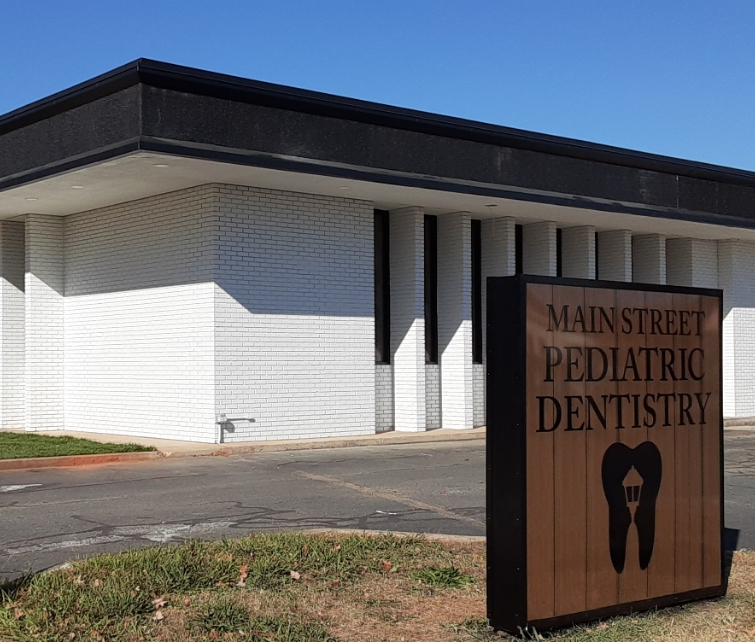
Main Street Pediatric Dentistry office