
As your child grows, you might wonder when their teeth will start to appear and whether their development is progressing as expected. Every smile is unique, and while there are general patterns, tooth eruption timelines can vary from child to child. Understanding what’s typical can help you recognize important milestones and provide the best care for your little one’s developing smile.
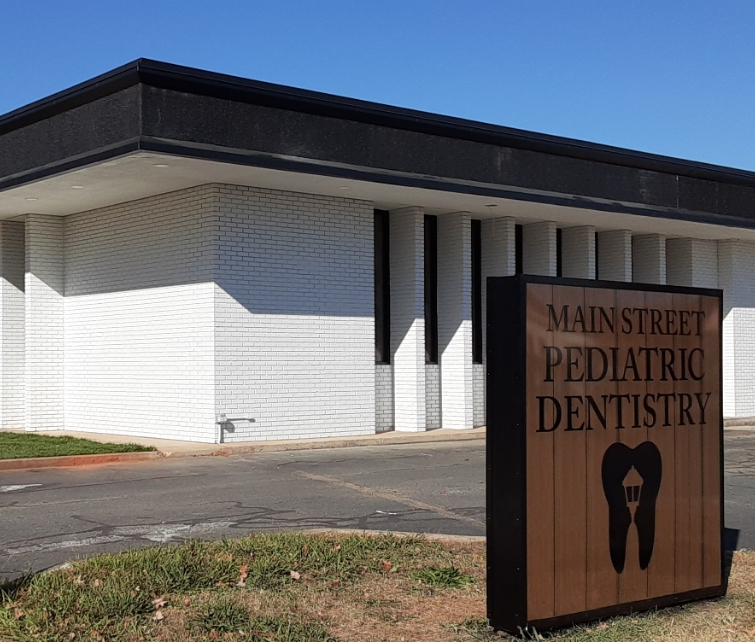
At Main Street Pediatric Dentistry of Belmont, Dr. Matthew Savage and our team guide families through every stage of their child’s dental development. We understand that watching your child’s teeth emerge is both exciting and sometimes concerning for parents, which is why we’re here to provide expert care and reassurance throughout the process.
Understanding Primary Tooth Eruption
Primary teeth, also called baby teeth, typically begin emerging around six months of age, though this timing can vary significantly among children. According to the American Dental Association, most babies will have all 20 primary teeth by the time they reach three years old. The process begins when the lower central incisors break through the gums, followed by the upper central incisors shortly after. These front teeth play an important role in helping your child bite into food and develop proper speech patterns.
Between 9 and 16 months, the lateral incisors appear on both the upper and lower arches. The first molars usually emerge between 13 and 19 months, providing the grinding surfaces needed for chewing more complex foods. Canines typically come in between 16 and 23 months, with the second molars appearing last, usually between 23 and 33 months. Girls often experience tooth eruption slightly earlier than boys, but both follow similar sequences.
When Permanent Teeth Begin to Appear
The transition from primary to permanent teeth marks an important developmental phase. Around age six, the first permanent molars begin to emerge behind the baby teeth, and the lower front teeth start to loosen as permanent incisors prepare to take their place. This mixed dentition stage, when children have both primary and permanent teeth, continues until approximately age 12.
Permanent teeth follow a predictable pattern, with central incisors appearing between ages 6 and 7, followed by lateral incisors at ages 7 to 8. The first premolars typically erupt between ages 10 and 11, while canines come in around ages 9 to 12. Second premolars appear between ages 10 and 12, and second molars emerge between ages 11 and 13. Research shows that tooth eruption is a continuous process influenced by various factors and is an important milestone in child development. By age 21, most individuals will have all 32 permanent teeth, including wisdom teeth if they develop.
Factors That Influence Eruption Timing
Several elements can affect when your child’s teeth appear. Genetics plays a significant role, as children often follow similar eruption patterns to their parents and siblings. Nutritional status matters too, with well-nourished children typically experiencing timely tooth development. Birth weight and overall growth patterns can contribute to variations in eruption schedules.
Environmental factors and general health conditions may also influence timing. Children who were born prematurely might experience delayed eruption, while certain medical conditions can affect tooth development. It’s worth noting that a few months’ variation from the average timeline is usually perfectly normal and not a cause for concern. What matters most is that teeth are developing in a healthy sequence.
Supporting Your Child’s Dental Development
Creating positive experiences around oral care helps establish lifelong healthy habits. When teeth begin to erupt, you can gently clean them with a soft, damp cloth or an age-appropriate toothbrush. Starting dental exams early allows Dr. Savage to monitor development and address any concerns before they become problems. Regular checkups help ensure that eruption patterns are progressing normally and that emerging teeth remain healthy and strong.
During teething periods, your child may experience discomfort or irritability. You can soothe their gums by gently massaging them with a clean finger or offering a cold, clean washcloth to chew on. Avoiding sugary foods and maintaining consistent oral hygiene routines will protect developing teeth from decay. Teaching your child proper brushing techniques as they grow helps them take ownership of their oral health. Dental sealants can provide additional protection for newly erupted permanent molars.
Schedule Your Child’s Dental Visit at Main Street Pediatric Dentistry
Dr. Matthew Savage is a board-certified pediatric dentist who brings years of specialized training in pediatric dentistry to every appointment, creating a welcoming environment where children feel comfortable and parents feel confident. Our pediatric dental practice focuses on prevention and education, working closely with families to establish effective home care routines and healthy habits that last a lifetime.
We understand that every child develops at their own pace, and we’re here to support your family through each stage of dental development. Contact our Belmont office today to schedule your child’s next dental visit or to discuss any questions you have about their tooth eruption timeline.