
Primary teeth shape more than just your child’s smile today. These temporary teeth guide permanent teeth into proper positions, maintain space for adult teeth to emerge, and establish the foundation for healthy dental development throughout adolescence and beyond.
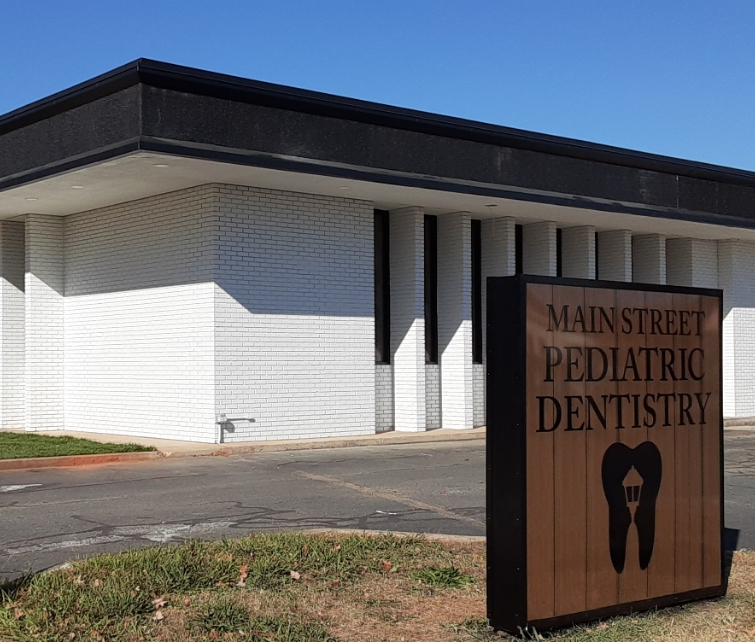
At Main Street Pediatric Dentistry, Dr. Matthew Savage brings 20 years of board-certified pediatric dental experience to families throughout Belmont and surrounding communities. As the sole dentist in the practice, Dr. Savage provides consistent, prevention-focused care that helps children build positive relationships with oral health from their earliest years.
The Hidden Role of Primary Teeth
Primary teeth do far more than help children chew food and speak clearly. These baby teeth serve as natural placeholders that reserve space in the jaw for permanent teeth developing beneath the gums. When a primary tooth falls out too early due to decay or injury, neighboring teeth may drift into the empty space. This shifting creates crowding problems that may require orthodontic intervention later.
Dental exams reveal how primary teeth also contribute to proper jaw development and facial structure. The roots of baby teeth stimulate bone growth in the jaw, creating adequate space for adult teeth. Without this stimulation, jaw development may be compromised. Children who lose primary teeth prematurely often experience insufficient jaw growth, leading to alignment issues when permanent teeth emerge.
Primary teeth also play a vital role in speech development. The position and presence of these teeth help children form sounds correctly as they learn to speak. Missing or damaged primary teeth can affect pronunciation and language development during critical learning years.
Primary Tooth Decay Affects Permanent Teeth
Bacteria that cause cavities in baby teeth can damage the permanent teeth forming underneath. Severe decay in a primary tooth may spread infection to the developing adult tooth bud below the gum line. This infection can cause discoloration, weakened enamel, or developmental defects in the permanent tooth before it even emerges.
According to the American Dental Association, babies are born with all of their baby teeth in their jaw, with the first teeth erupting around 6 months and all primary teeth typically present by age 3. These early years establish patterns that last a lifetime.
Preventing Cross-Contamination
Regular dental cleanings remove harmful bacteria before they damage developing teeth. Professional cleanings reach areas that brushing and flossing alone cannot address. Dr. Savage evaluates each child’s decay risk and recommends preventive measures tailored to their specific needs. These assessments consider diet, oral hygiene habits, and family dental history to create comprehensive prevention strategies.
Untreated cavities in primary teeth create an environment rich in decay-causing bacteria. These bacteria multiply rapidly and remain in the mouth long after a primary tooth falls out. When permanent teeth begin to emerge, they enter this bacteria-rich environment, making them vulnerable to decay from their first day in the mouth.
Building Strong Enamel
Fluoride treatment strengthens tooth enamel on both primary and developing permanent teeth. This mineral helps repair early decay and builds resistance against cavity-causing bacteria.
Regular fluoride applications during childhood create stronger adult teeth that resist decay more effectively. The fluoride absorbed into developing permanent teeth below the gum line provides protection that lasts for years after the treatment.
Children who receive consistent fluoride treatments show significantly lower rates of cavities in their permanent teeth. This preventive approach saves families from costly restorative procedures and helps children avoid the discomfort associated with tooth decay.
Space Maintenance and Alignment
Early tooth loss disrupts the natural sequence of dental development. Primary molars typically remain in place until ages 10 to 12, guiding permanent premolars into proper positions. When a primary tooth is lost prematurely, the surrounding teeth may tip or drift into the empty space. This movement blocks the eruption path of the permanent tooth that should occupy that space.
Dental sealants protect the chewing surfaces of primary molars from decay, helping these important teeth remain in place until they naturally exfoliate. This protective coating fills in the deep grooves where food particles and bacteria typically accumulate. Sealants prove particularly effective on the first permanent molars, which emerge around age 6 and are especially vulnerable to decay during their first few years.
The preservation of primary teeth maintains proper arch length in the jaw. This spacing allows permanent teeth to emerge in their correct positions without crowding. Children who maintain healthy primary teeth often require less orthodontic intervention during adolescence. The natural spacing and alignment provided by well-maintained primary teeth create a foundation for straight permanent teeth.
Establishing Lifelong Oral Health Habits
Children who receive consistent dental care during their primary tooth years develop comfort with dental visits and establish healthy habits that continue into adulthood. Early positive experiences reduce dental anxiety and create a foundation for proactive oral health management throughout life. The behavior management techniques used in pediatric dentistry help children feel safe and confident during dental procedures.
Regular visits allow Dr. Savage to monitor development, identify potential problems early, and provide guidance on proper brushing and flossing techniques. These appointments also give parents the knowledge they need to support their child’s oral health at home. Parents learn how diet affects tooth development, which foods to limit, and how to create effective home care routines. X-rays taken during these visits reveal developing permanent teeth and help identify potential problems before they become serious.
Children who view dental care as a normal part of their routine carry this perspective into adulthood. They understand the value of preventive care and are more likely to maintain regular dental appointments throughout their lives. This proactive approach prevents serious dental problems and reduces the need for extensive restorative work.
Partner with Main Street Pediatric Dentistry
Dr. Matthew Savage provides comprehensive pediatric dental care designed to protect both primary and permanent teeth. As a board-certified pediatric dentist with 20 years of experience, Dr. Savage serves as the only dentist in the practice, ensuring consistent treatment plans and building lasting relationships with young patients and their families. His prevention-focused approach emphasizes early intervention and education that benefits children throughout their dental development. This consistency in care helps children feel comfortable and secure during dental visits while ensuring thorough, coordinated treatment plans.
Main Street Pediatric Dentistry accepts Delta Dental and Primera insurance, works with all major insurance plans, and offers Cherry financing and CareCredit options to make quality dental care accessible. Contact our Belmont office today to schedule your child’s appointment and establish a foundation for lifelong oral health.