
Your child’s first dental visit sets the tone for their relationship with oral health for years to come. Many parents worry about how their little one will react to the dental office, but with the right preparation, you can help your child feel comfortable and confident during this important milestone.
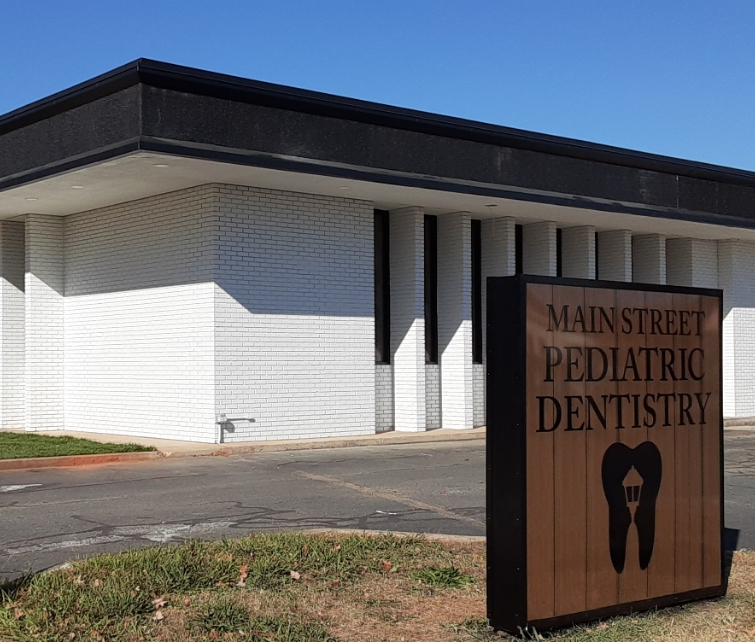
At Main Street Pediatric Dentistry, we work with families in the Belmont area to create positive dental experiences that help children develop healthy habits and build trust in oral care. Dr. Matthew Savage uses gentle, age-appropriate techniques to make each visit enjoyable and educational for both children and parents.
Start Talking About the Visit Early
One of the best ways to prepare your child is to start the conversation well before the appointment. Explain that Dr. Savage and his team are nice people who help keep teeth healthy and strong. Use simple, positive language that focuses on what will happen rather than what won’t hurt. You might say, “The dentist will count your teeth and make them sparkle clean,” which sounds much more appealing than discussing drills or needles.
Read children’s books about visiting the dentist or watch educational videos together. These resources can help normalize the experience and answer questions your child may have. Keep your tone upbeat and encouraging throughout these conversations so your child associates the dental exam with something positive rather than scary.
Practice at Home
Turn preparation into a fun game by playing dentist at home. Take turns being Dr. Savage and the patient, counting each other’s teeth or pretending to clean them with a toothbrush. Also, laying down on the floor or couch during the game further helps to desensitize going to the dentist. This playful approach helps your child become familiar with having someone look in their mouth, making the actual appointment feel less unfamiliar.
Choose Your Words Carefully
The language you use before and during the visit matters more than you might think. Avoid phrases like “it won’t hurt” or “don’t be scared,” which can actually introduce anxiety your child hadn’t considered. Instead, focus on what will happen in concrete terms. Say things like “Dr.Savage will use a special mirror to see all your teeth” or “you’ll sit in a cool chair that goes up and down and they even have tv’s on the ceiling. ”
Steer clear of using the dentist as a threat or punishment. Comments like “if you don’t brush, the dentist will have to fix your teeth” create negative associations that can last a lifetime. According to research from the American Dental Association, all baby teeth should erupt by age three, making early positive experiences crucial for establishing good oral health habits.
Plan the Logistics
Schedule the appointment at a time when your child is well-rested and in a good mood. Avoid times right before naps or meals when they may be tired or hungry. Morning appointments often work the best for young children who are fresh and alert after a good night’s sleep. We have found that late afternoon appointments can be difficult for young children as they may be tired or just want to play after a long day at school.
Another great idea is to bring comfort items like a favorite stuffed animal or blanket. Having something familiar can provide reassurance in a new environment.
What to Expect During the Visit
Sometimes the first visit focuses on making your child comfortable rather than performing extensive procedures. Dr. Savage will gently examine your child’s teeth and gums, looking for any signs of decay or developmental concerns. He will count teeth, check the bite, and discuss proper dental cleaning techniques.
Many pediatric dentists also apply fluoride treatment during the first visit to help strengthen tooth enamel. Dr Savage and the team will explain each step in a way your child can comprehend, using child-friendly terms and showing them the tools before using them.
Address Your Own Anxiety
Children are remarkably perceptive and can pick up on parental stress. If you have dental anxiety yourself, be mindful of how you discuss the appointment. Take some deep breaths before the visit and focus on staying calm and positive. Your confident demeanor will help your child feel safe.
Make It a Positive Experience
After the appointment, praise your child for their cooperation and bravery. Point out specific things they did well, like sitting still or opening wide. Consider establishing a tradition like going to Stowe Park or head to the Belmont Bookshop to get a new book to read. Both are just down the street from Main St. Pediatric Dentistry!
Schedule Your Child’s First Visit at Main Street Pediatric Dentistry
Dr. Matthew Savage has been a pediatric dentist for 20 years, providing children with the gentle, compassionate care they need to develop healthy smiles. As a Board Certified Pediatric Dentist and father of three, Dr. Savage combines extensive experience with a genuine passion for working with young patients. He takes time to get to know each child and their family, creating continuity of care that allows him to monitor your child’s development over time and develop prevention strategies tailored to their specific needs. Because you’ll see the same dentist at every visit, you and your child can build a trusting relationship with Dr. Savage and his team that makes dental care feel comfortable and familiar.
Contact us today to schedule your child’s first visit and discover how 20 years of pediatric dentistry experience can help your family maintain healthy, happy smiles.