
When a child’s tooth is chipped or knocked out, every second counts. Quick action can mean the difference between saving and losing a tooth, making it vital for parents to know exactly what steps to take. These dental emergencies are more common than many realize, often happening during everyday activities like playing sports or running around at home.
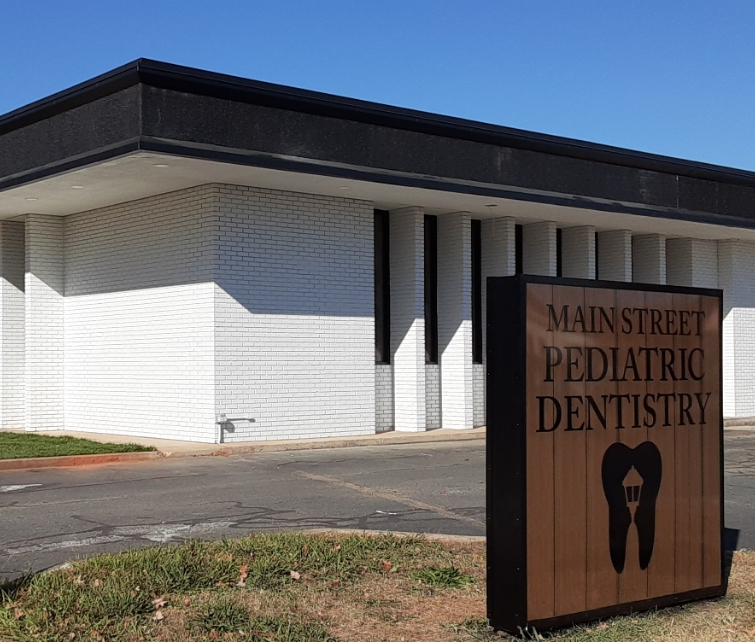
At Main Street Pediatric Dentistry, we understand how frightening these situations can be for both children and parents. Our team provides emergency dental services specifically designed for young patients in Belmont, ensuring your child receives immediate, compassionate care when accidents happen. We’re equipped to handle everything from minor chips to completely knocked-out teeth, helping to protect your child’s smile and oral health.
Immediate Steps for a Chipped Tooth
When your child chips a tooth, rinse their mouth gently with warm water to clean the area and remove any debris. If there’s bleeding, apply a clean piece of gauze to the affected area and have your child bite down gently to help stop the bleeding. A cold compress applied to the outside of the mouth can reduce swelling and ease discomfort.
Save any tooth fragments you can find and place them in a clean container with milk or water. These pieces may be useful for your dentist to assess the damage or potentially reattach, depending on the severity of the chip. Contact Main Street Pediatric Dentistry right away to schedule an emergency appointment, even if the chip seems minor.
What to Do When a Tooth Is Knocked Out Completely
According to the American Dental Association, keeping a knocked-out tooth moist is critical for the possibility of successful reimplantation. If possible, try to replace the tooth in the socket without touching the root. If this isn’t feasible, place it between your child’s cheek and gums, or in a container of milk.
Time is absolutely critical when a permanent tooth is knocked out—reimplantation is most successful when done within 30 minutes of the injury. For baby teeth, dentists typically don’t reimplant them because doing so could damage the developing permanent tooth underneath. However, you should still contact us immediately so we can check for any other injuries and ensure proper healing.
Common Causes of Dental Trauma in Children
Sports account for a significant proportion of dental injuries in children, particularly in contact sports such as football, basketball, and soccer. Even non-contact sports can lead to accidents when children collide or fall. Wearing a properly fitted mouthguard during any athletic activity can dramatically reduce the risk of tooth damage.
Everyday activities around the home and playground also frequently result in dental emergencies. Running on hard surfaces, climbing on playground equipment, or simply tripping while playing can cause a child to hit their mouth on the ground or other objects. Children with special needs may face additional risks due to balance or coordination challenges, making preventive care even more important.
Why Quick Action Matters for Your Child’s Smile
Prompt treatment of dental trauma can prevent complications like infection, nerve damage, or tooth loss. When a tooth is chipped, bacteria can enter through the damaged enamel and reach the sensitive inner layers, potentially leading to decay or an abscess if not treated quickly. Early intervention allows dentists to seal the tooth and protect it from further damage.
For knocked-out permanent teeth, the window for successful reimplantation is extremely narrow. The cells on the tooth root begin to die within minutes of leaving the mouth, which is why keeping the tooth moist and seeking immediate dental care are so important. Even if reimplantation isn’t possible, quick assessment helps identify any injuries to the gums, jaw, or other teeth that need attention.
Preventing Future Dental Emergencies
Making mouthguards a non-negotiable part of your child’s sports gear is one of the most effective ways to prevent dental injuries. Custom-fitted mouthguards from your dentist offer the best protection, though store-bought options are better than nothing. Teach your child to wear their mouthguard during both practices and games for consistent protection.
Creating a safer home environment can also reduce the risk of dental accidents. Install safety gates at the top and bottom of stairs for younger children, pad sharp corners on furniture, and supervise playtime to prevent rough activities that could lead to falls. Regular dental exams help identify any existing weaknesses in your child’s teeth that might make them more vulnerable to injury.
Trust Main Street Pediatric Dentistry for Emergency Care
Dr. Matt Savage and our team at Main Street Pediatric Dentistry are trained to handle pediatric dental emergencies with care and efficiency. We understand that seeing your child in pain is distressing, and we work quickly to provide relief while keeping both you and your child informed about the treatment process. Our sedation dentistry options can help anxious children feel more comfortable during emergency procedures.
When dental emergencies happen, you need a trusted partner who can respond immediately. Our Belmont practice prioritizes emergency cases to ensure your child receives prompt care when it matters most. Contact us right away if your child experiences any dental trauma—we’re here to protect your child’s smile and ensure the best possible outcome.