

118 N Main St, Belmont, NC 28012

Our Blog

girl in the dentist's chair
Categories

When searching for the right dental provider for your child, the choice between a local pediatric dentist and a dental chain can significantly impact your child’s oral health outcomes and overall experience. Some offices tend to rotate dentists between locations or assign different providers for each visit, which disrupts the consistency your child needs to develop healthy dental habits and positive associations with dental care. This fragmented approach leaves gaps in treatment planning and makes it harder for children to feel comfortable during their appointments.

At Main Street Pediatric Dentistry, Dr. Matthew Savage provides comprehensive pediatric dental care as the sole dentist in the practice. With 20 years of experience and board certification in pediatric dentistry, Dr. Savage offers consistent, personalized care that helps children build trust and receive more thorough treatment plans. This locally owned and operated practice focuses on prevention, gentle techniques, and creating positive dental experiences that last a lifetime.

The Value of Consistent, Continuous Care

Research from the American Dental Association highlights the importance of care continuity for children’s oral health outcomes. Their quality measures for pediatric dentistry emphasize that children who see the same dentist consistently receive more comprehensive preventive care and have better long-term oral health results. When one dentist oversees your child’s complete dental journey, they can identify developing issues early, track changes over time, and create treatment plans that prevent problems before they become serious.

Corporate dental chains frequently assign different dentists for each appointment, which means no single provider truly knows your child’s complete dental history or unique needs. This lack of continuity can result in missed opportunities for early intervention and inconsistent communication about your child’s progress. In contrast, Dr. Savage personally handles every dental exam, ensuring nothing falls through the cracks, and your child receives the most thorough care possible.

Building Trust and Comfort Through Familiarity

Children thrive on consistency and predictability, especially when it comes to medical appointments. Seeing the same dentist at every visit helps children feel more comfortable and secure, reducing dental anxiety and creating positive associations with oral health care. Dr. Savage’s gentle, compassionate approach, combined with the continuity of care, helps even nervous children feel at ease during their appointments.

Corporate dental chains often prioritize efficiency and volume over relationship-building, which can leave children feeling rushed or anxious. When dentists rotate frequently or work across multiple locations, they simply don’t have the opportunity to develop the meaningful relationships that help children feel safe and understood. This continuity matters particularly for children with special needs, who benefit enormously from working with a dentist who understands their unique requirements and communication preferences.

Prevention-Focused Philosophy

Dr. Savage’s practice philosophy centers on prevention and education rather than just treating problems as they arise. As a board-certified pediatric dentist with two decades of experience, he works closely with families to establish effective home care routines, discusses healthy dietary choices, and provides guidance on developmental milestones that affect oral health. This comprehensive approach empowers families with the knowledge and tools needed to maintain excellent oral health throughout their child’s growing years. The prevention-focused approach at Main Street Pediatric Dentistry helps children avoid dental issues in the first place, saving families time, money, and unnecessary stress.

Choose Main Street Pediatric Dentistry for Your Child’s Dental Care

Your child deserves dental care that prioritizes their comfort, health, and long-term well-being. Dr. Savage’s commitment as the only dentist in the practice ensures your child receives consistent, comprehensive care from a board-certified pediatric dentist who truly knows them. This continuity of care leads to better treatment outcomes, fewer dental problems down the road, and a more positive relationship with oral health.

Experience the difference that locally owned, prevention-focused pediatric dentistry can make for your family. Contact Main Street Pediatric Dentistry today to schedule your child’s appointment and discover why families throughout the Belmont area to Gastonia and beyond choose Dr. Savage for their children’s dental care needs.
practices. The truth is that establishing healthy brushing habits early can have a profound impact on your child’s lifelong dental health, yet research shows that nearly 80 percent of children do not begin brushing at the recommended age. When children develop consistent routines from an early age, they are more likely to maintain excellent oral health throughout their lives.

At Main Street Pediatric Dentistry, Dr. Matthew Savage understands that every child develops at their own pace and requires individualized guidance to build strong oral health habits. As a board-certified pediatric dentist with 20 years of experience, Dr. Savage works closely with families throughout Belmont and surrounding areas from Gastonia and beyond to establish effective home care routines that grow with each child. As the sole dentist at the practice, Dr. Savage provides consistent, comprehensive care that helps children feel comfortable while developing the skills they need for a lifetime of healthy smiles.

Why Early Brushing Habits Matter

Starting oral care early sets the foundation for a lifetime of healthy teeth and gums. According to the Centers for Disease Control and Prevention, children who brush their teeth at least twice a day experience significantly fewer cavities than those who brush less frequently. Despite this clear benefit, only about 60 percent of children brush their teeth twice daily, and many start brushing later than dental professionals recommend.

The consequences of delayed or inconsistent brushing extend beyond immediate dental health. Children who do not establish proper brushing routines early are more likely to develop cavities in their baby teeth, which can affect the development and alignment of permanent teeth. Additionally, early childhood cavities can impact a child’s ability to eat comfortably, speak clearly, and feel confident in social situations.

Building positive associations with tooth brushing during the early years also makes dental care feel natural rather than burdensome. When children learn that brushing is simply part of their daily routine, they are more likely to continue these habits independently as they grow older. Dental exams provide an opportunity to assess whether home brushing techniques are effective and to address any concerns before they become problems.

Age-Appropriate Brushing Techniques

Different stages of childhood require different approaches to oral care. Understanding what to expect at each developmental milestone helps parents provide the right level of support while encouraging independence at appropriate times.

Infants (0-12 Months)

Oral care should begin even before the first tooth appears. Parents can gently wipe their baby’s gums twice daily using a soft, clean cloth to remove bacteria and sugars that accumulate from milk or formula. This simple practice not only keeps the mouth clean but also helps babies become accustomed to having their mouths touched, which makes the transition to tooth brushing easier.

When the first tooth emerges, usually around six months, parents should begin brushing with a soft-bristled infant toothbrush. Brush the erupted teeth but go ahead and brush towards the back corners where the teeth will one day erupt. The key at this stage is establishing the routine rather than achieving perfect technique. Many babies will want to grab the toothbrush or chew on it, which is normal exploratory behavior. At this stage, use a non fluoridated tooth paste or nothing at all on the toothbrush. The toothbrush is doing the work!

Toddlers (1-3 Years)

As children enter the toddler years, they become more aware of brushing as a distinct activity. Parents should be using a rice-grain-sized amount of fluoride toothpaste and brush all visible tooth surfaces twice daily. This is also the time when many toddlers want to assert their independence and may insist on brushing themselves.

Allowing toddlers to practice holding the toothbrush and making brushing motions helps develop motor skills and enthusiasm for the activity. However, parents should always follow up with thorough brushing, especially at night, to ensure all surfaces are properly cleaned. Making brushing a fun, positive experience through songs, games, or special toothbrushes featuring favorite characters can help reluctant brushers develop more cooperative attitudes.

Preschoolers (3-6 Years)

Preschool-aged children can use a pea-sized amount of fluoride toothpaste (if they are great spitters!) and should be closely supervised to ensure they spit out the toothpaste rather than swallowing it. Stick to a rice-sized amount of toothpaste until they are doing a great job spitting.  At this age, children are developing better fine motor control but still lack the coordination for thorough brushing. Parents should encourage children to brush independently while understanding that assistance will still be needed.

Teaching preschoolers to brush for two minutes can be challenging, so using timers, songs, or apps designed for this purpose can help. Dental sealants applied during dental cleanings provide additional protection for molars during this cavity-prone stage, but they work best in combination with consistent home brushing habits.

School-Age Children (6+ Years)

Children around age six typically develop the manual dexterity needed to brush their own teeth effectively, though supervision remains important. Parents should watch their school-age children brush to ensure they are reaching all tooth surfaces and brushing for the full two minutes. The arrival of permanent molars around this age makes thorough brushing even more critical.

This is also the stage when children may resist parental oversight, viewing it as an infringement on their independence. Rather than backing away entirely, parents can shift their role to occasional spot-checks and positive reinforcement. Discussing the importance of oral health in age-appropriate terms helps children understand why brushing matters beyond simply following rules.

Common Challenges and Solutions

Even with the best intentions, many families encounter obstacles to consistent brushing. Recognizing common challenges and having strategies to address them can prevent minor setbacks from becoming long-term problems.

Some children resist brushing because they dislike the sensation of the toothbrush or the taste of toothpaste. Experimenting with different toothbrush sizes, bristle softness, and toothpaste flavors often resolves this issue. Other children struggle with the routine aspect of twice-daily brushing, particularly at bedtime when they are tired. Creating visual charts or reward systems can help reinforce the habit without turning brushing into a battle.

Busy schedules and morning rushes can also disrupt brushing routines. Establishing a consistent time and place for brushing helps cement the habit. Some families find that brushing together as a family makes the activity more enjoyable and ensures everyone completes their oral care. For children who have difficulty standing still for two minutes, playing music or setting up a special mirror at their height can make the time pass more pleasantly.  

Partner with Main Street Pediatric Dentistry for Lifelong Oral Health

Building healthy brushing habits requires patience, consistency, and age-appropriate techniques that evolve as your child grows. Dr. Savage and the team at Main Street Pediatric Dentistry provide the guidance and support families need to establish and maintain excellent oral hygiene routines. As a locally owned and operated practice with a sole practitioner model, Main Street Pediatric Dentistry offers the continuity of care that helps children feel comfortable and receive comprehensive treatment plans tailored to their unique needs.

Whether your child needs their first dental visit, routine cleanings, or help overcoming dental anxiety, Dr. Savage combines gentle techniques with 20 years of specialized experience to create positive dental experiences. Contact Main Street Pediatric Dentistry today to schedule an appointment and take the next step in supporting your child’s oral health journey.

When your child’s health and comfort are at stake, selecting the right pediatric dentist becomes one of the most important decisions you’ll make as a parent. A skilled pediatric dentist doesn’t just treat teeth. They shape how your child views dental care for a lifetime, turning potentially stressful experiences into positive milestones that build confidence and establish healthy habits.

Our services at Main Street Pediatric Dentistry are designed to provide exceptional, prevention-focused care for children throughout Belmont and the surrounding communities. Dr. Savage, a board-certified pediatric dentist with 20 years of experience, is the sole dentist at the practice. This means your child will see the same familiar face at every appointment, building trust and receiving consistent, comprehensive treatment plans that prevent dental issues down the road.

What Makes a Board-Certified Pediatric Dentist Different?

Not all dentists who treat children have specialized training in pediatric dentistry. After completing his dental degree from UNC Chapel Hill, Dr. Matthew Savage trained an additional three years at UNC to become a pediatric dentist. Dr. Savage then went on to become a board certified pediatric dentist which required him to take additional written and oral board exams after finishing his pediatric dentistry residency.  Board certification demonstrates that a dentist has completed advanced education specifically focused on children’s unique dental needs, child development, and behavior management techniques. According to the Centers for Disease Control and Prevention, regular preventive dental examinations and cleanings are recommended for children starting from the time their first tooth appears or by age one. A board-certified pediatric dentist understands the developmental stages of childhood and knows how to make these early visits positive experiences that set the foundation for lifelong oral health.

When interviewing potential pediatric dentists, ask about their credentials and continuing education. Board-certified pediatric dentists maintain the highest standards of professional competence and stay current with the latest advances in pediatric dental care through ongoing education.

How Does the Practice Handle Preventive Care?

Prevention lies at the heart of excellent pediatric dentistry. Ask potential dentists about their approach to dental exams, dental cleanings, and preventive treatments like fluoride applications and sealants. A quality pediatric dental practice emphasizes education, working closely with families to establish effective home care routines and discussing how dietary choices affect oral health.

Your child’s first visit should be an opportunity to learn about developmental milestones that affect oral health, not just a quick examination. Dr. Savage will explain procedures in age-appropriate terms, listen carefully to both you and your child, and adapt their approach to meet your child’s individual comfort level.

Essential Questions to Ask During Your Consultation

Understanding a practice’s philosophy and capabilities helps you make an informed decision. Consider asking these important questions to determine if a pediatric dentist is the right fit for your family:

  • Continuity of care: Will my child see the same dentist at every visit, or will they see different providers? Consistent care from a single dentist allows children to develop trust and helps ensure their treatment plans remain thorough and coordinated.
  • Behavior management: What techniques do you use to help anxious or fearful children feel comfortable? Experienced pediatric dentists employ gentle approaches that build positive associations with dental care rather than creating additional stress.
  • Emergency availability: How do you handle dental emergencies outside regular business hours? Knowing your dentist is accessible when urgent situations arise provides peace of mind.
  • Special needs experience: If your child has medical conditions or developmental challenges, do you have expertise in special needs dentistry? Pediatric dentists with advanced training can adapt their care to accommodate various needs.
  • Treatment philosophy: Do you prioritize prevention and education, or primarily treat problems as they arise? A prevention-focused approach typically results in better long-term outcomes and fewer invasive treatments.

These questions help reveal whether a practice aligns with your values and can provide the quality, personalized care your child deserves.

Experience Your Child Deserves at Main Street Pediatric Dentistry

The right pediatric dentist transforms dental visits from obligatory appointments into opportunities for growth, learning, and building healthy habits. Dr. Savage believes every child deserves gentle, compassionate care that establishes positive associations with oral health. As the only dentist at Main Street Pediatric Dentistry, he provides consistent treatment that prevents gaps in care and helps children develop comfortable, trusting relationships with their dental provider.

Contact our office to schedule your child’s appointment and discover how Dr. Savage’s expertise and locally owned practice create exceptional experiences for families throughout the Belmont area to Gastonia and beyond.

Your child’s first dental visit sets the tone for their relationship with oral health for years to come. Many parents worry about how their little one will react to the dental office, but with the right preparation, you can help your child feel comfortable and confident during this important milestone.

At Main Street Pediatric Dentistry, we work with families in the Belmont area to create positive dental experiences that help children develop healthy habits and build trust in oral care. Dr. Matthew Savage uses gentle, age-appropriate techniques to make each visit enjoyable and educational for both children and parents.

Start Talking About the Visit Early

One of the best ways to prepare your child is to start the conversation well before the appointment. Explain that Dr. Savage and his team are nice people who help keep teeth healthy and strong. Use simple, positive language that focuses on what will happen rather than what won’t hurt. You might say, “The dentist will count your teeth and make them sparkle clean,” which sounds much more appealing than discussing drills or needles.

Read children’s books about visiting the dentist or watch educational videos together. These resources can help normalize the experience and answer questions your child may have. Keep your tone upbeat and encouraging throughout these conversations so your child associates the dental exam with something positive rather than scary.

Practice at Home

Turn preparation into a fun game by playing dentist at home. Take turns being Dr. Savage and the patient, counting each other’s teeth or pretending to clean them with a toothbrush. Also, laying down on the floor or couch during the game further helps to desensitize going to the dentist.  This playful approach helps your child become familiar with having someone look in their mouth, making the actual appointment feel less unfamiliar.

Choose Your Words Carefully

The language you use before and during the visit matters more than you might think. Avoid phrases like “it won’t hurt” or “don’t be scared,” which can actually introduce anxiety your child hadn’t considered.  Instead, focus on what will happen in concrete terms. Say things like “Dr.Savage will use a special mirror to see all your teeth” or “you’ll sit in a cool chair that goes up and down and they even have tv’s on the ceiling. ”

Steer clear of using the dentist as a threat or punishment. Comments like “if you don’t brush, the dentist will have to fix your teeth” create negative associations that can last a lifetime. According to research from the American Dental Association, all baby teeth should erupt by age three, making early positive experiences crucial for establishing good oral health habits.

Plan the Logistics

Schedule the appointment at a time when your child is well-rested and in a good mood. Avoid times right before naps or meals when they may be tired or hungry. Morning appointments often work the best for young children who are fresh and alert after a good night’s sleep. We have found that late afternoon appointments can be difficult for young children as they may be tired or just want to play after a long day at school.

Another great idea is to bring comfort items like a favorite stuffed animal or blanket. Having something familiar can provide reassurance in a new environment.

What to Expect During the Visit

Sometimes the first visit focuses on making your child comfortable rather than performing extensive procedures. Dr. Savage will gently examine your child’s teeth and gums, looking for any signs of decay or developmental concerns. He will count teeth, check the bite, and discuss proper dental cleaning techniques.

Many pediatric dentists also apply fluoride treatment during the first visit to help strengthen tooth enamel. Dr Savage and the team will explain each step in a way your child can comprehend, using child-friendly terms and showing them the tools before using them.

Address Your Own Anxiety

Children are remarkably perceptive and can pick up on parental stress. If you have dental anxiety yourself, be mindful of how you discuss the appointment. Take some deep breaths before the visit and focus on staying calm and positive. Your confident demeanor will help your child feel safe.

Make It a Positive Experience

After the appointment, praise your child for their cooperation and bravery. Point out specific things they did well, like sitting still or opening wide. Consider establishing a tradition like going to Stowe Park or head to the Belmont Bookshop to get a new book to read.  Both are just down the street from Main St. Pediatric Dentistry!

Schedule Your Child’s First Visit at Main Street Pediatric Dentistry

Dr. Matthew Savage has been a pediatric dentist for 20 years, providing children with the gentle, compassionate care they need to develop healthy smiles. As a Board Certified Pediatric Dentist and father of three, Dr. Savage combines extensive experience with a genuine passion for working with young patients. He takes time to get to know each child and their family, creating continuity of care that allows him to monitor your child’s development over time and develop prevention strategies tailored to their specific needs. Because you’ll see the same dentist at every visit, you and your child can build a trusting relationship with Dr. Savage and his team that makes dental care feel comfortable and familiar.

Contact us today to schedule your child’s first visit and discover how 20 years of pediatric dentistry experience can help your family maintain healthy, happy smiles.

Cavities don’t have to be an inevitable part of childhood. By establishing the right habits early, parents can significantly reduce their child’s risk of tooth decay and set them up for a lifetime of healthy smiles. The years between ages one and six are critical for developing these habits, as this is when children learn the routines and behaviors that will shape their oral health for years to come.

At Main Street Pediatric Dentistry, we partner with Belmont families to prevent cavities before they start. Dr. Matt Savage and our team provide the education, tools, and support parents need to protect their children’s teeth during these formative years. By combining professional care with consistent home routines, we help families build the strong foundation that keeps young smiles cavity-free.

Understanding How Cavities Form in Young Children

According to the American Dental Association, plaque constantly forms on teeth, and when you eat or drink anything with sugar, the bacteria in plaque produce acids that attack enamel and can lead to cavities over time. Children’s teeth are particularly vulnerable because their enamel is thinner and softer than that of adults, making it easier for decay to penetrate and cause damage.

Baby bottle tooth decay is a common problem that occurs when children are put to bed with bottles containing milk, formula, or juice. The sugars in these liquids pool around the teeth during sleep when saliva production decreases, creating an ideal environment for bacteria to thrive. This type of decay can develop rapidly and affect multiple teeth, sometimes requiring extensive treatment even in very young children.

The Critical Role of Brushing and Timing

Starting oral care early—even before the first tooth appears—helps children become comfortable with having their mouths cleaned. For babies, wipe gums with a soft, damp cloth after feedings. Once teeth emerge, use a soft-bristled toothbrush with a rice-grain-sized amount of fluoride toothpaste twice daily, increasing to a pea-sized amount around age three.

Brushing twice a day is non-negotiable for cavity prevention, with timing being just as important as frequency. Morning brushing removes bacteria that accumulated overnight, while evening brushing is crucial because saliva production decreases during sleep, leaving teeth more vulnerable to acid attacks. Make brushing the last thing your child does before bed, after their final drink or snack, to maximize protection during those vulnerable nighttime hours.

Making Smart Dietary Choices for Dental Health

Limiting sugar intake is one of the most powerful ways to prevent cavities in young children. Frequent snacking on sugary or starchy foods gives bacteria constant fuel to produce the acids that damage enamel. Instead of offering crackers, cookies, or juice throughout the day, establish set meal and snack times, and choose tooth-friendly options like cheese, vegetables, and water.

When your child does have sugary treats, timing matters. Offering sweets with meals rather than as standalone snacks reduces their impact because increased saliva production during meals helps wash away sugars and neutralize acids. Water should be the primary beverage throughout the day, with milk reserved for mealtimes. Avoid putting children to bed with anything other than water to prevent prolonged exposure to sugar during sleep.

The Power of Fluoride in Preventing Decay

The American Dental Association confirms that fluoride protects teeth from cavities by restoring enamel damaged by plaque through a process called re-mineralization.Fluoride treatment at the dentist’s office provides a concentrated dose that strengthens teeth and makes them more resistant to acid attacks, while daily brushing with fluoride toothpaste maintains this protection between appointments.

Creating Positive Associations with Dental Care

Making brushing fun rather than a chore helps children develop lifelong habits without resistance. Let your child pick out a toothbrush in their favorite color or featuring a beloved character, and consider playing a two-minute song to make the full brushing time feel less tedious. Brushing alongside your child models good behavior and turns oral care into family bonding time rather than a battle.

Regular dental visits starting at age one help children view the dentist as a normal, positive part of their routine rather than something to fear. When kids become familiar with our office environment and team through preventive visits, they’re much more comfortable if they ever need treatment, such as dental fillings. This early comfort translates into better cooperation and less anxiety throughout their childhood and beyond.

Partner with Main Street Pediatric Dentistry for Cavity Prevention

Dr. Matt Savage and our team at Main Street Pediatric Dentistry take a proactive approach to pediatric dental care, focusing on prevention to keep young smiles healthy and cavity-free. We provide personalized guidance based on your child’s unique needs, risk factors, and developmental stage. Our gentle, patient-centered approach helps even the youngest children feel comfortable during their visits, building positive associations with dental care that last a lifetime.Preventing cavities in young children requires a partnership between parents and dental professionals. We’re here to support you every step of the way with education, preventive treatments, and compassionate care for your child.Contact Main Street Pediatric Dentistry today to schedule your child’s next appointment and take the next step in building healthy dental habits that will serve them for years to come.


When a child’s tooth is chipped or knocked out, every second counts. Quick action can mean the difference between saving and losing a tooth, making it vital for parents to know exactly what steps to take. These dental emergencies are more common than many realize, often happening during everyday activities like playing sports or running around at home.

At Main Street Pediatric Dentistry, we understand how frightening these situations can be for both children and parents. Our team provides emergency dental services specifically designed for young patients in Belmont, ensuring your child receives immediate, compassionate care when accidents happen. We’re equipped to handle everything from minor chips to completely knocked-out teeth, helping to protect your child’s smile and oral health.

Immediate Steps for a Chipped Tooth

When your child chips a tooth, rinse their mouth gently with warm water to clean the area and remove any debris. If there’s bleeding, apply a clean piece of gauze to the affected area and have your child bite down gently to help stop the bleeding. A cold compress applied to the outside of the mouth can reduce swelling and ease discomfort.

Save any tooth fragments you can find and place them in a clean container with milk or water. These pieces may be useful for your dentist to assess the damage or potentially reattach, depending on the severity of the chip. Contact Main Street Pediatric Dentistry right away to schedule an emergency appointment, even if the chip seems minor.

What to Do When a Tooth Is Knocked Out Completely

According to the American Dental Association, keeping a knocked-out tooth moist is critical for the possibility of successful reimplantation. If possible, try to replace the tooth in the socket without touching the root. If this isn’t feasible, place it between your child’s cheek and gums, or in a container of milk.

Time is absolutely critical when a permanent tooth is knocked out—reimplantation is most successful when done within 30 minutes of the injury. For baby teeth, dentists typically don’t reimplant them because doing so could damage the developing permanent tooth underneath. However, you should still contact us immediately so we can check for any other injuries and ensure proper healing.

Common Causes of Dental Trauma in Children

Sports account for a significant proportion of dental injuries in children, particularly in contact sports such as football, basketball, and soccer. Even non-contact sports can lead to accidents when children collide or fall. Wearing a properly fitted mouthguard during any athletic activity can dramatically reduce the risk of tooth damage.

Everyday activities around the home and playground also frequently result in dental emergencies. Running on hard surfaces, climbing on playground equipment, or simply tripping while playing can cause a child to hit their mouth on the ground or other objects. Children with special needs may face additional risks due to balance or coordination challenges, making preventive care even more important.

Why Quick Action Matters for Your Child’s Smile

Prompt treatment of dental trauma can prevent complications like infection, nerve damage, or tooth loss. When a tooth is chipped, bacteria can enter through the damaged enamel and reach the sensitive inner layers, potentially leading to decay or an abscess if not treated quickly. Early intervention allows dentists to seal the tooth and protect it from further damage.

For knocked-out permanent teeth, the window for successful reimplantation is extremely narrow. The cells on the tooth root begin to die within minutes of leaving the mouth, which is why keeping the tooth moist and seeking immediate dental care are so important. Even if reimplantation isn’t possible, quick assessment helps identify any injuries to the gums, jaw, or other teeth that need attention.

Preventing Future Dental Emergencies

Making mouthguards a non-negotiable part of your child’s sports gear is one of the most effective ways to prevent dental injuries. Custom-fitted mouthguards from your dentist offer the best protection, though store-bought options are better than nothing. Teach your child to wear their mouthguard during both practices and games for consistent protection.

Creating a safer home environment can also reduce the risk of dental accidents. Install safety gates at the top and bottom of stairs for younger children, pad sharp corners on furniture, and supervise playtime to prevent rough activities that could lead to falls. Regular dental exams help identify any existing weaknesses in your child’s teeth that might make them more vulnerable to injury.

Trust Main Street Pediatric Dentistry for Emergency Care

Dr. Matt Savage and our team at Main Street Pediatric Dentistry are trained to handle pediatric dental emergencies with care and efficiency. We understand that seeing your child in pain is distressing, and we work quickly to provide relief while keeping both you and your child informed about the treatment process. Our sedation dentistry options can help anxious children feel more comfortable during emergency procedures.

When dental emergencies happen, you need a trusted partner who can respond immediately. Our Belmont practice prioritizes emergency cases to ensure your child receives prompt care when it matters most. Contact us right away if your child experiences any dental trauma—we’re here to protect your child’s smile and ensure the best possible outcome.

Visit Main Street Pediatric Dentistry of Belmont Today

Office Hours:

Monday - Friday: 8:00 AM - 5:00 PM


Saturday: By Appointment Only


Sunday: Closed

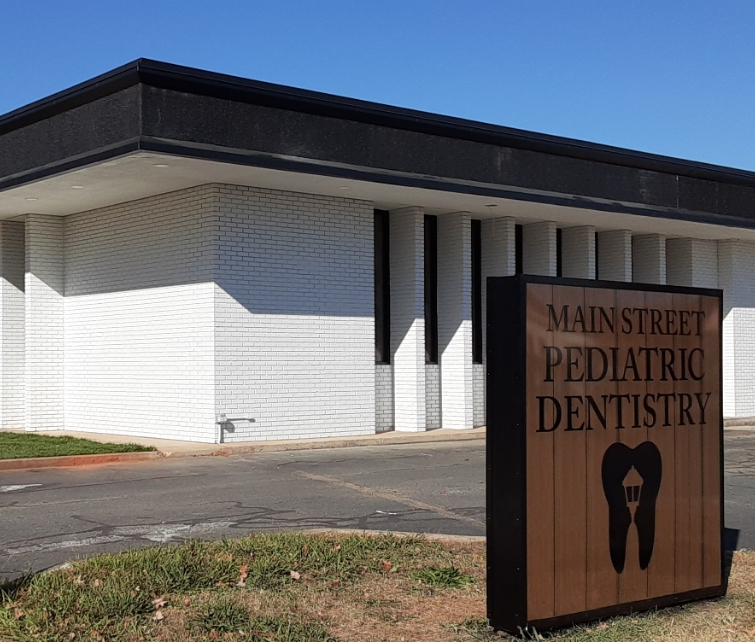
Main Street Pediatric Dentistry office