

118 N Main St, Belmont, NC 28012

Category:

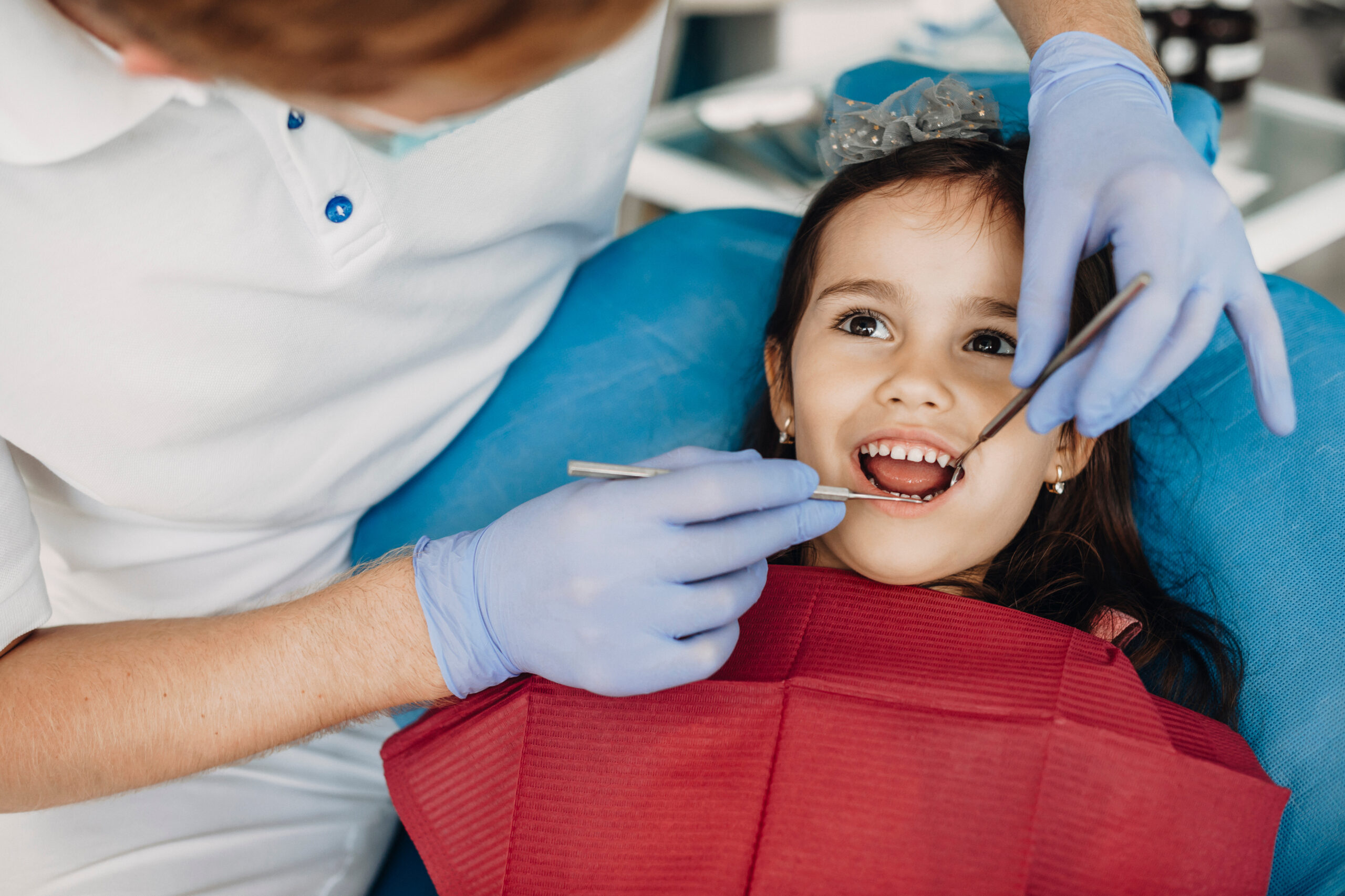
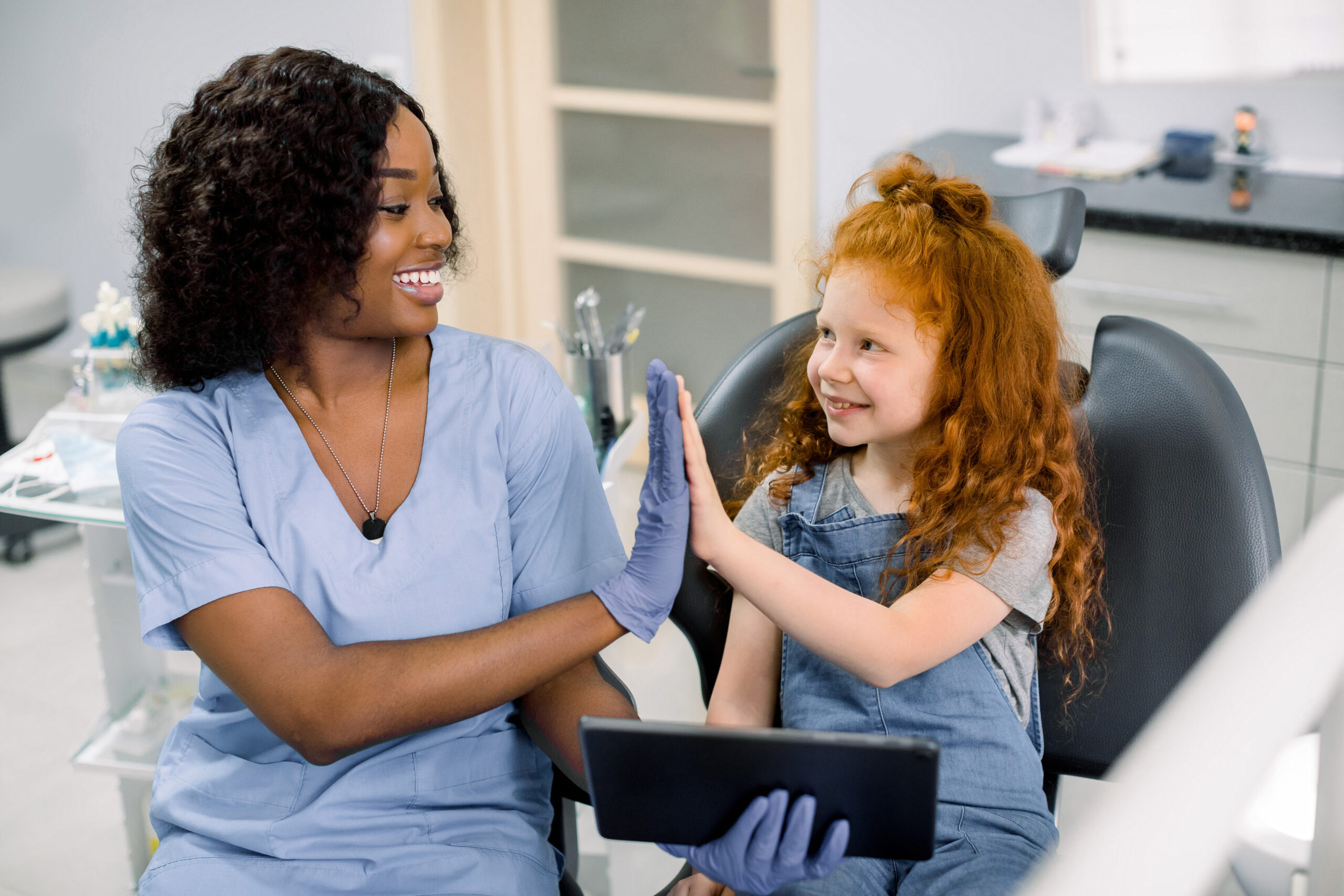
girl in the dentist's chair
Categories

As a parent, you want to make sure every part of your child’s dental care is done right and questions about X-rays are some of the most common ones we hear.  How frequently should your child have them?  Are they truly necessary at every visit? These are valid questions, and understanding the reasoning behind dental X-rays can help you feel confident walking through our doors. The good news is that when it comes to your child’s oral health, X-rays are a smart and safe tool, not something to worry about.

At Main Street Pediatric Dentistry of Belmont, Dr. Savage brings over 20 years of experience as a board-certified pediatric dentist to every appointment.  Our prevention-focused approach means we use every diagnostic tool available, including dental X-rays, to catch small problems before they turn into bigger ones.  As the only dentist at our practice, Dr. Savage reviews every image himself, ensuring nothing slips through the cracks and your child receives consistent, personalized care from visit to visit.

Why X-Rays Matter for Growing Smiles

Children’s mouths are constantly changing.  Baby teeth are giving way to permanent ones, jaw structures are developing, and small issues like early decay or crowding can take root without any visible signs.  That is exactly why routine dental exams and X-rays work hand in hand. With dental radiographs, Dr. Savage can see what is happening beneath the surface and between teeth, areas that even the most thorough visual exam simply cannot reach.

According to the American Academy of Pediatric Dentistry, dental radiographs for children should be prescribed based on each patient’s individual clinical findings, dental history, and risk factors rather than a one-size-fits-all schedule.  This individualized approach is exactly how we approach care here at Main Street Pediatric Dentistry.

So, How Often Is Often Enough?

The honest answer is that it depends on your child.  There is no single frequency that applies to every patient, and a good pediatric dentist will always tailor recommendations to what your child actually needs.  That said, there are some general guidelines that help shape our decision-making.

For children with a low risk of cavities and consistently healthy checkups, bitewing X-rays are typically recommended once every 12 to 24 months. For children who have had cavities in the past, show signs of early decay, or have other risk factors, more frequent imaging, sometimes every six months, may be recommended to stay ahead of any developing issues.  Panoramic radiographs, which capture the full jaw and all teeth in a single image, are generally taken every three to five years and are particularly helpful for monitoring how permanent teeth are coming in.

Factors That Influence Frequency

Several things shape how often we recommend X-rays for your child, including:

  • History of cavities or active decay
  • How closely the back teeth are positioned together
  • Stage of dental development and tooth eruption
  • Overall oral hygiene habits at home

Every child who comes through our doors receives an individualized assessment.  That consistency matters because Dr. Savage has seen your child grow from one appointment to the next, giving him a deeper understanding of what is normal for them and what warrants a closer look.

Are Dental X-Rays Safe for Kids?

This is something many parents ask, and the answer is a reassuring yes.  Modern digital X-rays expose children to a very small amount of radiation, significantly less than traditional film X-rays. We take every precaution to minimize exposure, and the benefit of early detection far outweighs any minimal risk.  Catching a cavity early, for example, often means a simple dental filling rather than a more involved procedure later on.

What About the First X-Ray?

There is no universal age requirement for a child’s first dental radiograph.  The AAPD recommends that the first bitewing X-rays be taken when the back teeth begin touching each other and the surfaces between them can no longer be seen visually, which often happens around age three, but can vary by child.  This is also typically when we start recommending flossing since those are the same surfaces we need to see clearly. If your child has not yet had their first visit or it has been a while since their last checkup, that is a great place to start.

Schedule Your Child’s Next Visit at Main Street Pediatric Dentistry

At Main Street Pediatric Dentistry of Belmont, Dr. Savage takes a gentle, thoughtful approach to every part of your child’s care, including decisions about imaging.  With more than two decades of experience and board certification in pediatric dentistry, he knows how to balance thorough diagnostics with the comfort and safety your child deserves. We are proud to be a locally owned, community-focused practice right here in Belmont, NC, where we have built lasting relationships with families throughout the area.

If you have questions about your child’s dental X-rays or it is time for their next checkup, we are here to help.  Contact our office today to schedule an appointment, and let us take great care of your little one’s smile.

Your baby’s first tooth breaking through the gum line is one of those exciting milestones that sneaks up fast and it brings a whole new set of questions along with it.  When should you start cleaning their gums?  When is the right time for a dental visit?  And does any of this really matter before they have a full set of teeth?  The answer is yes, and starting early makes a bigger difference than most parents expect.  Good oral health habits begin well before that first tooth ever appears and getting ahead of the curve sets your child up for a lifetime of healthy smiles.

At Main Street Pediatric Dentistry of Belmont, this early, prevention-first approach is at the heart of everything Dr. Savage does.  As a board-certified pediatric dentist with over 20 years of experience, Dr. Matthew Savage recommends bringing your baby in for their first visit around age one or within six months of that first tooth coming in.   These early appointments are less about treatment and more about education, guidance, and building the kind of positive dental experiences that carry forward into every visit that follows.

Why Oral Health Starts Before the First Tooth

Most people associate dental care with teeth but the foundation of a healthy mouth begins much earlier.  Even before your baby’s first tooth erupts, bacteria are already present in the mouth.  Gently wiping your infant’s gums with a soft, damp cloth after feedings helps keep the oral environment clean and starts introducing the idea of mouth care as a normal part of daily life.

According to the American Academy of Pediatrics, tooth decay is one of the most common chronic childhood diseases in the United States and even the tiniest newly erupted teeth are susceptible.  Starting oral hygiene habits before and right at the time of that first eruption gives those new teeth the strongest possible start.

What Happens at an Early Dental Visit

Many parents are surprised to learn that an age-one dental visit looks very different from what they picture.  Dr. Savage is not performing major procedures at these early appointments.  Instead, these visits are an opportunity to examine your child’s mouth, assess any early developmental concerns and spend time talking with you about what to expect as your child grows.

Some of the things covered during an early visit include guidance on home care routines, what to look for during teething, feeding habits that support healthy tooth development, and how to keep newly erupted teeth clean.  Because Dr. Savage is the only dentist at our practice, he gets to know your child from these earliest visits forward, building consistency and trust over time that makes every future dental exam smoother and more comfortable.

Building a Positive Relationship With the Dentist Early

One of the most valuable things that comes out of starting dental care in infancy is the relationship your child builds with our office.  Dr. Savage describes these early visits as a way of banking positive experiences.  When a child has visited the dentist at age one, one and a half, and two, the office is already a familiar, comfortable place by the time more active care begins.  They are not walking into something new and unfamiliar when it comes time for a dental cleaning or x-rays. They already know the space, the staff, and Dr. Savage himself.

This familiarity matters enormously when it comes to dental anxiety.  Children who start early are far more likely to feel at ease during routine care because the dental chair is simply where they have always gone, not somewhere new or intimidating.

Preventive Care That Grows With Your Child

As your baby becomes a toddler and their smile fills in, preventive care becomes increasingly active.  Fluoride treatment applied in-office is one of the most effective tools available for protecting newly erupted teeth from decay.  Depending on your child’s individual risk factors, Dr. Savage may recommend fluoride varnish at early visits to give those new teeth an added layer of protection right from the start.

These early years are also when habits are formed.  Establishing a twice-daily brushing routine, learning about foods that support healthy teeth, and understanding how to care for primary teeth all lay the groundwork for far fewer dental concerns down the road.  Prevention now consistently means less treatment later.

Schedule Your Child’s First Visit at Main Street Pediatric Dentistry

Main Street Pediatric Dentistry of Belmont is a locally owned, community-focused practice right here in Belmont, NC and Dr. Savage genuinely loves caring for his youngest patients.  With specialized training in infant and child oral health, a gentle approach, and a true passion for building positive dental experiences, he is exactly the kind of provider you want in your corner from day one.  His goal is always to work alongside families, not just treat teeth, by giving you the knowledge and tools to support your child’s health at home.

If your little one is approaching their first birthday or has recently cut their first tooth, now is the perfect time to get started.  Contact our office today to schedule your child’s first visit, and let us help build a healthy foundation that lasts a lifetime.

When families pick a pediatric dentist, the decision often comes down to convenience or location, but the dentist your child sees consistently matters far more than most parents realize.  Children’s mouths change rapidly from year to year, and having a single provider track those changes over time makes a meaningful difference in both the quality of care your child receives and how comfortable they feel in the dental chair.  Consistency in pediatric dental care is not just a nice perk; it is one of the most powerful tools for protecting your child’s long-term oral health.

At Main Street Pediatric Dentistry of Belmont, that continuity is built right into how we operate. Dr. Matthew Savage is the only dentist at our practice which means your child sees the same board-certified pediatric dentist at every single appointment. With over 20 years of experience and a genuinely prevention-focused approach, Dr. Savage gets to know each patient personally, building the kind of trust and familiarity that makes dental exams a positive experience rather than a stressful one.

A Dentist Who Knows Your Child’s Full History

One of the biggest advantages of seeing the same dentist every visit is the depth of knowledge that builds over time.  When Dr. Savage has watched your child’s teeth develop from their very first visit, he is not starting from scratch at each appointment. He knows your child’s baseline, which makes it far easier to spot subtle changes that might otherwise go unnoticed.

According to research published by the National Institutes of Health, establishing a consistent dental home, defined as an ongoing relationship between a dentist and patient that is comprehensive, coordinated, and family-centered, is recommended by the American Dental Association, the American Academy of Pediatric Dentistry, and the American Academy of Pediatrics.  That kind of ongoing relationship is exactly what we offer here at Main Street Pediatric Dentistry of Belmont.

Fewer Surprises, Better Prevention

Consistent care allows Dr. Savage to build a thorough picture of your child’s risk factors and catch small issues before they become larger ones.  A cavity identified early often means a simple dental filling rather than something more involved down the road.  Continuity also means that preventive treatments like dental sealants or fluoride treatment are recommended at exactly the right time, based on what Dr. Savage already knows about your child’s oral health trends.

More Consistent Treatment Plans

When multiple providers rotate through a practice, each one may have a slightly different approach to what they are seeing.  With Dr. Savage as the only dentist at our practice, your child’s treatment plan remains consistent from one visit to the next. There are no gaps in understanding, no miscommunications between providers, and no need to re-explain your child’s history at every appointment.

The Comfort Factor Matters

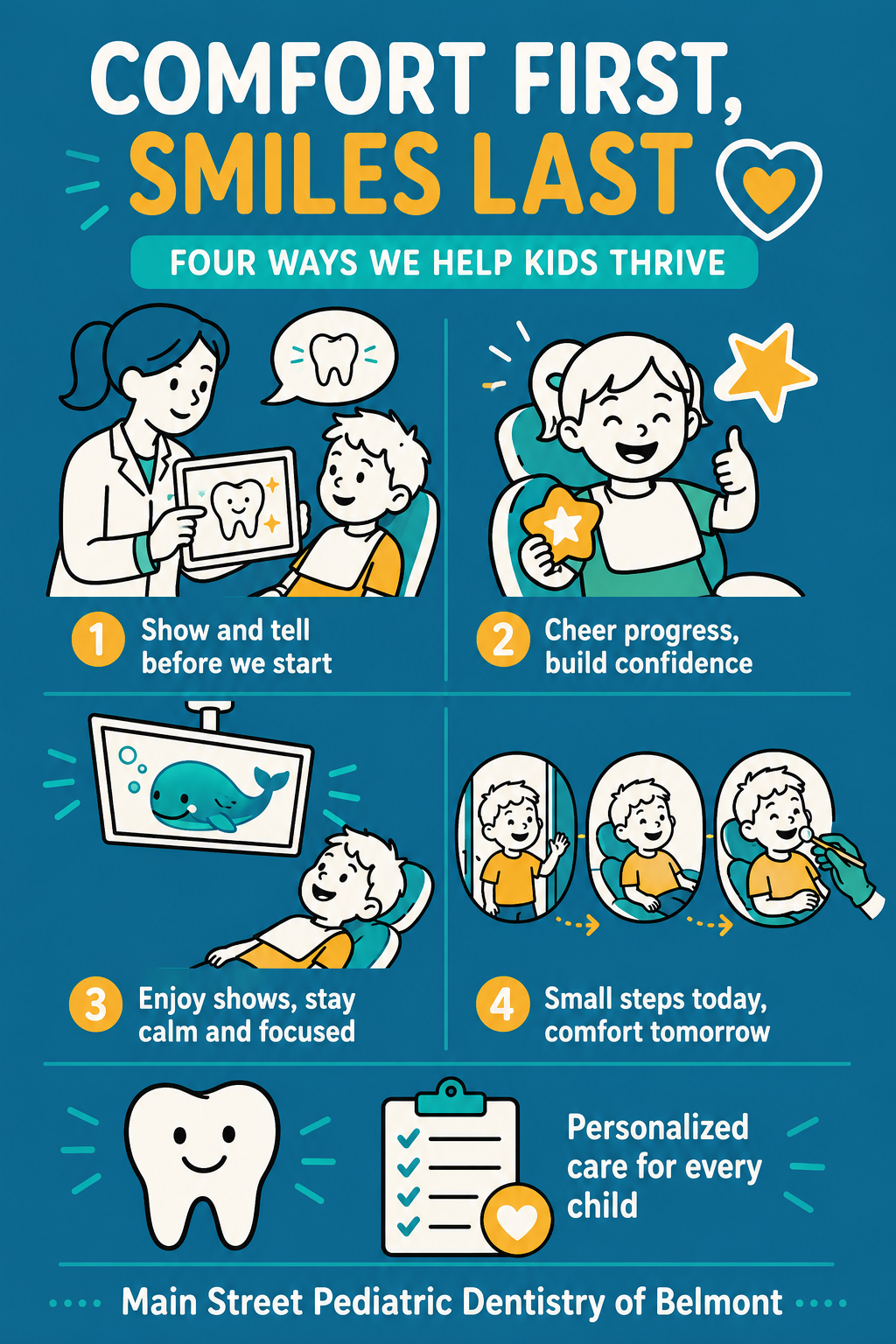
Dental anxiety is real for children and familiarity is one of the best antidotes.  When your child sees the same smiling face every time they walk through our door, the experience feels predictable and safe.  Dr. Savage’s gentle approach and behavior management expertise help children build a positive relationship with dental care early, which pays dividends for the rest of their lives.  Kids who feel comfortable at the dentist are far more likely to keep up with their routine dental cleanings as they grow.

A new face at every appointment, by contrast, means your child has to warm up to someone new each time, which can make even routine visits feel more stressful than they need to be.  Familiarity builds trust, and trust makes everything smoother, for both kids and parents.

Choose Main Street Pediatric Dentistry in Belmont, NC

At Main Street Pediatric Dentistry, we are proud to be a locally owned, community-focused practice right here in Belmont, NC.  Dr. Savage’s unique model means that when you bring your child to us, you are investing in a relationship with a dentist who will truly know your child year after year.  That is not something every practice can offer and it is something we consider one of our greatest strengths.

If your family is looking for a pediatric dentist who will be there for every milestone, from baby teeth to permanent ones, we would love to welcome you to our practice. Contact our office today to schedule your child’s next appointment, and let us show you what consistent, compassionate care really looks like.

Many parents discover that pacifiers become an essential tool for soothing fussy babies and helping little ones fall asleep. While pacifiers serve important comfort functions during infancy, understanding when and how to wean your child can prevent lasting effects on their oral development and save your family from costly orthodontic interventions down the road.

At Main Street Pediatric Dentistry of Belmont, Dr. Matthew Savage helps families in Belmont and surrounding communities navigate these important early childhood decisions. With 20 years of experience as a board-certified pediatric dentist, Dr. Savage provides prevention-focused care that emphasizes building positive dental associations from your child’s very first visit. Our dental exams help identify potential concerns early, allowing us to guide families toward healthy oral development.

Understanding How Pacifiers Affect Developing Teeth

The pressure created by prolonged pacifier use can alter the natural growth patterns of your child’s mouth. Research published by the National Institutes of Health demonstrates that pacifier use beyond age three contributes to anterior open bite, posterior crossbite, and narrow intercuspid width. These changes occur because constant sucking pressure affects the positioning of emerging teeth and the shape of the developing palate.

Children who use pacifiers for extended periods may develop several distinct bite problems. An anterior open bite creates a visible gap between upper and lower front teeth even when the mouth is closed. Posterior crossbite occurs when upper teeth fit inside lower teeth rather than properly overlapping them. The shape of the roof of the mouth can also become narrower and higher, affecting both tooth alignment and jaw development.

The Critical Timing for Weaning

Most pediatric dentists recommend discontinuing pacifier use between the ages of two and three. This timing allows the teeth and jaws to naturally realign as your child continues growing. Studies show that children who stop pacifier use by age three often see their bite issues resolve on their own without orthodontic intervention.

Waiting beyond age three significantly increases the likelihood of permanent dental changes. Research indicates that pacifier use past age five leads to more severe malocclusions that typically require professional treatment. Our early orthodontic  services can help if your child needs corrective procedures, but early intervention through proper weaning can help prevent the need for these treatments altogether.

Signs Your Child Needs Immediate Weaning

Watch for visible changes in how your child’s teeth meet when biting down. A gap between upper and lower front teeth or misalignment of the jaw structure suggests the pacifier has already begun affecting oral development. Some children develop speech difficulties, including lisps or trouble pronouncing certain sounds. Excessive mouth breathing can also indicate changes to the palate or jaw structure caused by prolonged pacifier use.

If you notice any of these warning signs, schedule an appointment with Dr. Savage. Early detection allows for timely intervention before problems become more complex.

Proven Strategies for Successful Weaning

Gradual reduction can work better than abrupt elimination for most families. Start by limiting pacifier use to specific times, such as naps and bedtime only. Slowly decrease these occasions until the pacifier is no longer part of your child’s routine.

Positive reinforcement creates motivation for older toddlers. Create a sticker chart that rewards pacifier-free days or hours. Some families celebrate reaching weaning milestones with small rewards or special activities. Explaining to your child that they are growing up and no longer need their pacifier can also build their confidence in letting go of the habit.

For children between three and four who resist other methods, some parents find success by cutting the rubber tip of the pacifier with scissors. This breaks the suction seal and eliminates the soothing sensation without taking the pacifier away completely. Your child may lose interest naturally when it no longer provides comfort.

The Role of Professional Dental Care During Weaning

Regular dental visits play a crucial role in monitoring your child’s oral development during the weaning process. Our dental cleaning appointments allow Dr. Savage to assess whether the teeth and jaws are aligning properly as pacifier use decreases. We can identify potential problems early and adjust our guidance based on your child’s specific needs.

Professional monitoring becomes especially important if your child used a pacifier past age three. Dr. Savage evaluates bite alignment, jaw position, and palate shape to determine whether intervention may be necessary. In some cases, early orthodontic assessment helps prevent more extensive treatment later in childhood.

Choose Main Street Pediatric Dentistry for Your Child’s Oral Health

Dr. Matthew Savage understands that every child develops differently and requires individualized care. As the only dentist at our pediatric dental practice, he provides consistent, comprehensive dental care that helps children avoid gaps in treatment. This continuity allows Dr. Savage to build trusting relationships with young patients while ensuring thorough, preventive treatment plans. Learn more about Dr. Savage and his gentle approach to pediatric dentistry.

Our independently owned and operated pediatric dental practice in Belmont emphasizes prevention and education to help families maintain excellent oral health throughout childhood. With TVs on the ceiling and a compassionate team focused on creating positive dental experiences, we help children develop healthy relationships with oral care that last a lifetime. Contact our office today to schedule your child’s appointment and receive personalized guidance on pacifier weaning and oral development.

As your child grows, you might wonder when their teeth will start to appear and whether their development is progressing as expected. Every smile is unique, and while there are general patterns, tooth eruption timelines can vary from child to child. Understanding what’s typical can help you recognize important milestones and provide the best care for your little one’s developing smile.

At Main Street Pediatric Dentistry of Belmont, Dr. Matthew Savage and our team guide families through every stage of their child’s dental development. We understand that watching your child’s teeth emerge is both exciting and sometimes concerning for parents, which is why we’re here to provide expert care and reassurance throughout the process.

Understanding Primary Tooth Eruption

Primary teeth, also called baby teeth, typically begin emerging around six months of age, though this timing can vary significantly among children. According to the American Dental Association, most babies will have all 20 primary teeth by the time they reach three years old. The process begins when the lower central incisors break through the gums, followed by the upper central incisors shortly after. These front teeth play an important role in helping your child bite into food and develop proper speech patterns.

Between 9 and 16 months, the lateral incisors appear on both the upper and lower arches. The first molars usually emerge between 13 and 19 months, providing the grinding surfaces needed for chewing more complex foods. Canines typically come in between 16 and 23 months, with the second molars appearing last, usually between 23 and 33 months. Girls often experience tooth eruption slightly earlier than boys, but both follow similar sequences.

When Permanent Teeth Begin to Appear

The transition from primary to permanent teeth marks an important developmental phase. Around age six, the first permanent molars begin to emerge behind the baby teeth, and the lower front teeth start to loosen as permanent incisors prepare to take their place. This mixed dentition stage, when children have both primary and permanent teeth, continues until approximately age 12.

Permanent teeth follow a predictable pattern, with central incisors appearing between ages 6 and 7, followed by lateral incisors at ages 7 to 8. The first premolars typically erupt between ages 10 and 11, while canines come in around ages 9 to 12. Second premolars appear between ages 10 and 12, and second molars emerge between ages 11 and 13. Research shows that tooth eruption is a continuous process influenced by various factors and is an important milestone in child development. By age 21, most individuals will have all 32 permanent teeth, including wisdom teeth if they develop.

Factors That Influence Eruption Timing

Several elements can affect when your child’s teeth appear. Genetics plays a significant role, as children often follow similar eruption patterns to their parents and siblings. Nutritional status matters too, with well-nourished children typically experiencing timely tooth development. Birth weight and overall growth patterns can contribute to variations in eruption schedules.

Environmental factors and general health conditions may also influence timing. Children who were born prematurely might experience delayed eruption, while certain medical conditions can affect tooth development. It’s worth noting that a few months’ variation from the average timeline is usually perfectly normal and not a cause for concern. What matters most is that teeth are developing in a healthy sequence.

Supporting Your Child’s Dental Development

Creating positive experiences around oral care helps establish lifelong healthy habits. When teeth begin to erupt, you can gently clean them with a soft, damp cloth or an age-appropriate toothbrush. Starting dental exams early allows Dr. Savage to monitor development and address any concerns before they become problems. Regular checkups help ensure that eruption patterns are progressing normally and that emerging teeth remain healthy and strong.

During teething periods, your child may experience discomfort or irritability. You can soothe their gums by gently massaging them with a clean finger or offering a cold, clean washcloth to chew on. Avoiding sugary foods and maintaining consistent oral hygiene routines will protect developing teeth from decay. Teaching your child proper brushing techniques as they grow helps them take ownership of their oral health. Dental sealants can provide additional protection for newly erupted permanent molars.

Schedule Your Child’s Dental Visit at Main Street Pediatric Dentistry

Dr. Matthew Savage is a board-certified pediatric dentist who brings years of specialized training in pediatric dentistry to every appointment, creating a welcoming environment where children feel comfortable and parents feel confident. Our pediatric dental practice focuses on prevention and education, working closely with families to establish effective home care routines and healthy habits that last a lifetime.

We understand that every child develops at their own pace, and we’re here to support your family through each stage of dental development. Contact our Belmont office today to schedule your child’s next dental visit or to discuss any questions you have about their tooth eruption timeline.

When parents search for the right dental care for their children, the options can feel overwhelming. Corporate chains promise convenience while multi-location practices tout efficiency. However, choosing where your child receives dental care involves more than just appointment availability. The structure and ownership of a dental practice fundamentally shape the quality, consistency, and personalization of care your child receives. At Main Street Pediatric Dentistry of Belmont, Dr. Matthew Savage operates an independently owned pediatric dental practice in Belmont, NC, where being the sole dentist isn’t just a business model but a commitment to comprehensive, continuous care for every child who walks through the door.

Independently owned pediatric dental practices create an environment where relationships matter more than quotas. Dr. Savage sees every patient personally, building trust over time with patients and parents and understanding each child’s unique dental journey from their first tooth. This continuity ensures that treatment plans remain thorough and consistent, preventing issues down the road that can occur when multiple dentists with different philosophies handle the same case.

Consistent Care from One Trusted Dentist

One of the most significant advantages of an independently owned practice with a single dentist is the continuity of care your child receives. The dental home concept emphasizes the ongoing relationship between the dentist and patient, delivering comprehensive, continuously accessible, coordinated, and family-centered care. When Dr. Savage examines your child at every appointment, he develops an intimate understanding of their dental development, health history, and individual needs. This consistency enables him to spot subtle changes early, track progress accurately, and adjust treatment approaches based on comprehensive knowledge of your child’s unique situation.

Corporate or multi-dentist practices often rotate providers, meaning your child might see different dentists at each visit. This fragmentation can lead to inconsistent treatment philosophies, gaps in care, and delayed identification of developing issues. When the same dentist oversees every aspect of your child’s oral health, treatment plans become more cohesive and effective. By maintaining this continuity of care, a dentist ensures that the child’s oral health remains a consistent priority, and habits formed during childhood often persist into adulthood.

Prevention-Focused Philosophy Without Corporate Pressure

Dr. Savage prioritizes patient well-being over profit margins. His prevention-focused approach builds positive dental associations while minimizing the need for extensive interventions. This philosophy centers on educating families about effective home care, discussing healthy dietary choices, and providing guidance on developmental milestones that affect oral health.

Without corporate oversight demanding specific revenue targets or treatment quotas, Dr. Savage can focus entirely on what’s best for each child. He takes the time to explain procedures in age-appropriate terms, listens carefully to both children and parents, and adapts his approach to meet each child’s comfort level. This patient-first mentality creates an environment where dental sealants, fluoride treatments, and regular cleanings receive appropriate emphasis as foundational preventive tools.

Personalized Attention and Flexible Care

Family-owned dental practices excel at providing personalized care tailored to each patient’s unique needs, fostering trust and comfort as patients feel their concerns are understood and addressed by familiar providers. At Main Street Pediatric Dentistry of Belmont, this personalization extends beyond clinical treatment. Dr. Savage understands that every child responds differently to dental care, whether they feel excited, nervous, or somewhere in between.

Being a dental practice that specializes in pediatric dentistry, it incorporates child-friendly elements like TVs on the ceiling to help young patients feel relaxed and entertained during procedures. More importantly, Dr. Savage’s expertise in behavior management helps anxious children receive gentle, compassionate care. His 20 years of experience as a board-certified pediatric dentist mean he possesses both the clinical skills and the emotional intelligence to make dental visits positive experiences that children look forward to rather than dread.

Community Investment and Accessibility

Locally owned practices demonstrate a vested interest in their communities that extends beyond business transactions. These practices actively participate in local events, sponsor community initiatives, and support schools, demonstrating their dedication to the neighborhood’s overall well-being and fostering strong relationships with community members that reinforce trust and loyalty. When you choose a locally owned pediatric dentist, you’re supporting a practice that genuinely cares about the long-term health of the surrounding communities.

This community connection creates accountability that corporate chains simply cannot replicate. Dr. Savage’s reputation depends entirely on the quality of care he provides and the relationships he builds with families. He attends local events, participates in community activities, and maintains visibility in the neighborhoods he serves. Parents can reach him directly when concerns arise, and he remains committed to accessible, responsive communication.

Specialized Pediatric Expertise with Personal Touch

Dr. Matthew Savage is a board-certified pediatric dentist. He completed three additional years of specialized training beyond dental school at the UNC Chapel Hill, focusing exclusively on the unique needs of infants, children, and adolescents. Dr. Savage’s expertise encompasses not just clinical skills but also child development, behavior management, and techniques for treating patients with various medical and developmental conditions, including children with special needs. Whether your child needs dental fillings, white crowns, or sedation dentistry for complex procedures, they receive treatment from a pediatric dentist who knows their medical history, understands their personality, and has built a trusting relationship over time.

Contact a Local Dentist at Main St Pediatric Dentistry Today

Your child deserves dental care that prioritizes their individual needs, builds positive associations with oral health, and provides consistent, comprehensive treatment from a trusted professional. With two decades of experience and board certification in pediatric dentistry, Dr. Matthew Savage brings both exceptional clinical skills and genuine compassion to every appointment. His independently owned practice in Belmont offers families a dental home where prevention, education, and personalized care create the foundation for lifelong oral health.

Contact our office today to schedule your child’s appointment and experience the difference that locally owned, patient-centered pediatric dentistry can make.

Visit Main Street Pediatric Dentistry of Belmont Today

Office Hours:

Monday - Friday: 8:00 AM - 5:00 PM


Saturday: By Appointment Only


Sunday: Closed

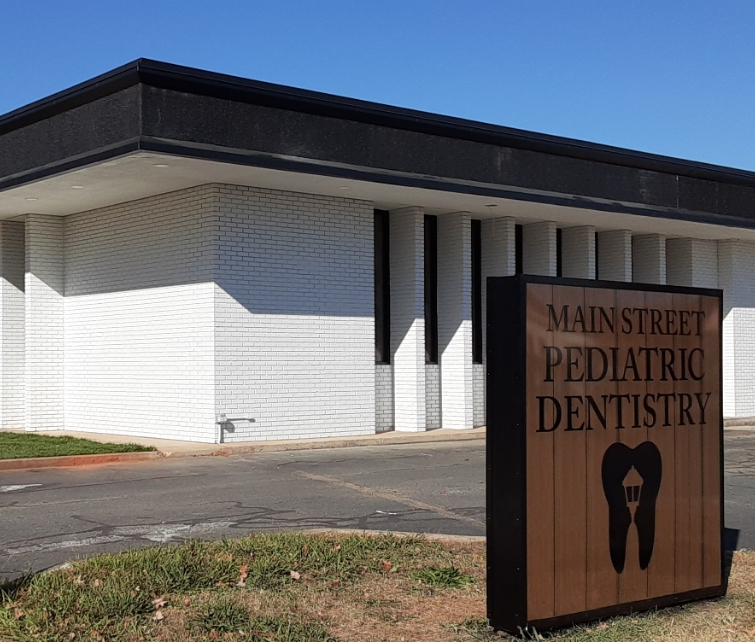
Main Street Pediatric Dentistry office