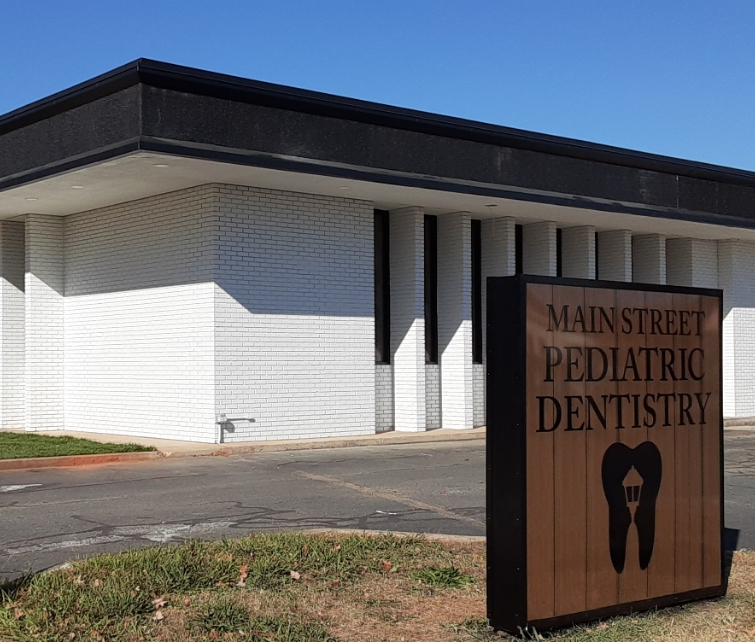

118 N Main St, Belmont, NC 28012

Category: Pediatric Dentistry

Categories
Little patient girl sitting in a chair gives a high five to a pediatric dentist after dental treatment at a clinic with modern equipment. Concept of modern and painless treatment of children's teeth.

Cavities don’t have to be an inevitable part of childhood. By establishing the right habits early, parents can significantly reduce their child’s risk of tooth decay and set them up for a lifetime of healthy smiles. The years between ages one and six are critical for developing these habits, as this is when children learn the routines and behaviors that will shape their oral health for years to come.

At Main Street Pediatric Dentistry, we partner with Belmont families to prevent cavities before they start. Dr. Matt Savage and our team provide the education, tools, and support parents need to protect their children’s teeth during these formative years. By combining professional care with consistent home routines, we help families build the strong foundation that keeps young smiles cavity-free.

Understanding How Cavities Form in Young Children

According to the American Dental Association, plaque constantly forms on teeth, and when you eat or drink anything with sugar, the bacteria in plaque produce acids that attack enamel and can lead to cavities over time. Children’s teeth are particularly vulnerable because their enamel is thinner and softer than that of adults, making it easier for decay to penetrate and cause damage.

Baby bottle tooth decay is a common problem that occurs when children are put to bed with bottles containing milk, formula, or juice. The sugars in these liquids pool around the teeth during sleep when saliva production decreases, creating an ideal environment for bacteria to thrive. This type of decay can develop rapidly and affect multiple teeth, sometimes requiring extensive treatment even in very young children.

The Critical Role of Brushing and Timing

Starting oral care early—even before the first tooth appears—helps children become comfortable with having their mouths cleaned. For babies, wipe gums with a soft, damp cloth after feedings. Once teeth emerge, use a soft-bristled toothbrush with a rice-grain-sized amount of fluoride toothpaste twice daily, increasing to a pea-sized amount around age three.

Brushing twice a day is non-negotiable for cavity prevention, with timing being just as important as frequency. Morning brushing removes bacteria that accumulated overnight, while evening brushing is crucial because saliva production decreases during sleep, leaving teeth more vulnerable to acid attacks. Make brushing the last thing your child does before bed, after their final drink or snack, to maximize protection during those vulnerable nighttime hours.

Making Smart Dietary Choices for Dental Health

Limiting sugar intake is one of the most powerful ways to prevent cavities in young children. Frequent snacking on sugary or starchy foods gives bacteria constant fuel to produce the acids that damage enamel. Instead of offering crackers, cookies, or juice throughout the day, establish set meal and snack times, and choose tooth-friendly options like cheese, vegetables, and water.

When your child does have sugary treats, timing matters. Offering sweets with meals rather than as standalone snacks reduces their impact because increased saliva production during meals helps wash away sugars and neutralize acids. Water should be the primary beverage throughout the day, with milk reserved for mealtimes. Avoid putting children to bed with anything other than water to prevent prolonged exposure to sugar during sleep.

The Power of Fluoride in Preventing Decay

The American Dental Association confirms that fluoride protects teeth from cavities by restoring enamel damaged by plaque through a process called re-mineralization.Fluoride treatment at the dentist’s office provides a concentrated dose that strengthens teeth and makes them more resistant to acid attacks, while daily brushing with fluoride toothpaste maintains this protection between appointments.

Creating Positive Associations with Dental Care

Making brushing fun rather than a chore helps children develop lifelong habits without resistance. Let your child pick out a toothbrush in their favorite color or featuring a beloved character, and consider playing a two-minute song to make the full brushing time feel less tedious. Brushing alongside your child models good behavior and turns oral care into family bonding time rather than a battle.

Regular dental visits starting at age one help children view the dentist as a normal, positive part of their routine rather than something to fear. When kids become familiar with our office environment and team through preventive visits, they’re much more comfortable if they ever need treatment, such as dental fillings. This early comfort translates into better cooperation and less anxiety throughout their childhood and beyond.

Partner with Main Street Pediatric Dentistry for Cavity Prevention

Dr. Matt Savage and our team at Main Street Pediatric Dentistry take a proactive approach to pediatric dental care, focusing on prevention to keep young smiles healthy and cavity-free. We provide personalized guidance based on your child’s unique needs, risk factors, and developmental stage. Our gentle, patient-centered approach helps even the youngest children feel comfortable during their visits, building positive associations with dental care that last a lifetime.Preventing cavities in young children requires a partnership between parents and dental professionals. We’re here to support you every step of the way with education, preventive treatments, and compassionate care for your child.Contact Main Street Pediatric Dentistry today to schedule your child’s next appointment and take the next step in building healthy dental habits that will serve them for years to come.

When a child’s tooth is chipped or knocked out, every second counts. Quick action can mean the difference between saving and losing a tooth, making it vital for parents to know exactly what steps to take. These dental emergencies are more common than many realize, often happening during everyday activities like playing sports or running around at home.

At Main Street Pediatric Dentistry, we understand how frightening these situations can be for both children and parents. Our team provides emergency dental services specifically designed for young patients in Belmont, ensuring your child receives immediate, compassionate care when accidents happen. We’re equipped to handle everything from minor chips to completely knocked-out teeth, helping to protect your child’s smile and oral health.

Immediate Steps for a Chipped Tooth

When your child chips a tooth, rinse their mouth gently with warm water to clean the area and remove any debris. If there’s bleeding, apply a clean piece of gauze to the affected area and have your child bite down gently to help stop the bleeding. A cold compress applied to the outside of the mouth can reduce swelling and ease discomfort.

Save any tooth fragments you can find and place them in a clean container with milk or water. These pieces may be useful for your dentist to assess the damage or potentially reattach, depending on the severity of the chip. Contact Main Street Pediatric Dentistry right away to schedule an emergency appointment, even if the chip seems minor.

What to Do When a Tooth Is Knocked Out Completely

According to the American Dental Association, keeping a knocked-out tooth moist is critical for the possibility of successful reimplantation. If possible, try to replace the tooth in the socket without touching the root. If this isn’t feasible, place it between your child’s cheek and gums, or in a container of milk.

Time is absolutely critical when a permanent tooth is knocked out—reimplantation is most successful when done within 30 minutes of the injury. For baby teeth, dentists typically don’t reimplant them because doing so could damage the developing permanent tooth underneath. However, you should still contact us immediately so we can check for any other injuries and ensure proper healing.

Common Causes of Dental Trauma in Children

Sports account for a significant proportion of dental injuries in children, particularly in contact sports such as football, basketball, and soccer. Even non-contact sports can lead to accidents when children collide or fall. Wearing a properly fitted mouthguard during any athletic activity can dramatically reduce the risk of tooth damage.

Everyday activities around the home and playground also frequently result in dental emergencies. Running on hard surfaces, climbing on playground equipment, or simply tripping while playing can cause a child to hit their mouth on the ground or other objects. Children with special needs may face additional risks due to balance or coordination challenges, making preventive care even more important.

Why Quick Action Matters for Your Child’s Smile

Prompt treatment of dental trauma can prevent complications like infection, nerve damage, or tooth loss. When a tooth is chipped, bacteria can enter through the damaged enamel and reach the sensitive inner layers, potentially leading to decay or an abscess if not treated quickly. Early intervention allows dentists to seal the tooth and protect it from further damage.

For knocked-out permanent teeth, the window for successful reimplantation is extremely narrow. The cells on the tooth root begin to die within minutes of leaving the mouth, which is why keeping the tooth moist and seeking immediate dental care are so important. Even if reimplantation isn’t possible, quick assessment helps identify any injuries to the gums, jaw, or other teeth that need attention.

Preventing Future Dental Emergencies

Making mouthguards a non-negotiable part of your child’s sports gear is one of the most effective ways to prevent dental injuries. Custom-fitted mouthguards from your dentist offer the best protection, though store-bought options are better than nothing. Teach your child to wear their mouthguard during both practices and games for consistent protection.

Creating a safer home environment can also reduce the risk of dental accidents. Install safety gates at the top and bottom of stairs for younger children, pad sharp corners on furniture, and supervise playtime to prevent rough activities that could lead to falls. Regular dental exams help identify any existing weaknesses in your child’s teeth that might make them more vulnerable to injury.

Trust Main Street Pediatric Dentistry for Emergency Care

Dr. Matt Savage and our team at Main Street Pediatric Dentistry are trained to handle pediatric dental emergencies with care and efficiency. We understand that seeing your child in pain is distressing, and we work quickly to provide relief while keeping both you and your child informed about the treatment process. Our sedation dentistry options can help anxious children feel more comfortable during emergency procedures.

When dental emergencies happen, you need a trusted partner who can respond immediately. Our Belmont practice prioritizes emergency cases to ensure your child receives prompt care when it matters most. Contact us right away if your child experiences any dental trauma—we’re here to protect your child’s smile and ensure the best possible outcome.

Your baby’s first birthday marks an exciting milestone, but many parents don’t realize it’s also time for their first dental appointment. Early dental visits set the foundation for a lifetime of healthy smiles and positive experiences with oral care. Starting dental care at age one allows dentists to catch potential issues before they become serious problems and helps your child develop comfort with the dental environment from the very beginning.

At Main Street Pediatric Dentistry, we believe in making that first visit a positive, stress-free experience for both children and parents. Dr. Matt Savage and our team create a welcoming atmosphere where even the youngest patients can feel safe and comfortable. We take time to answer your questions and provide guidance on caring for your child’s emerging teeth, setting the stage for years of healthy dental habits.

Building Confidence Through Early Dental Experiences

Children who begin dental visits at age one develop a natural comfort level with the dentist’s office that lasts throughout childhood. These early experiences teach them that dental appointments are normal, routine, and nothing to fear. When children become familiar with the sights, sounds, and sensations of dental care before they can form negative associations, they’re far more likely to approach future visits with confidence rather than anxiety.

Regular visits from an early age transform dental care from something scary into something ordinary and even enjoyable. Many of our young patients at Main Street Pediatric Dentistry actually look forward to their appointments because they’ve built positive relationships with our team. This early foundation of trust makes it easier to provide necessary care as children grow and helps them develop lifelong habits of seeking regular dental care.

What Happens During Your Child’s First Dental Visit

The first dental appointment is designed to be quick, gentle, and informative. During the visit, we’ll examine your child’s teeth and gums, assess proper tooth development, and look for signs of early decay or other concerns. The dental exam typically takes place with your child sitting on your lap to help them feel secure and comfortable.

We’ll also discuss important topics like fluoride treatment options, proper brushing techniques for babies and toddlers, and how to prevent early childhood cavities. You’ll have plenty of time to ask questions about teething, thumb-sucking, pacifier use, and any other concerns about your child’s oral development. This visit establishes a partnership between our team and your family for your child’s dental health.

Common Dental Issues in One-Year-Olds

Baby bottle tooth decay is one of the most common dental problems we see in very young children. This condition occurs when babies are put to bed with bottles containing milk, formula, or juice, allowing sugars to coat their teeth for extended periods. The decay can develop quickly and affect multiple teeth, making prevention through proper feeding habits crucial.

According to the American Dental Association, babies are born with all of their baby teeth in their jaw, with the first teeth typically erupting around six months and all baby teeth appearing by age three. Monitoring this development helps us identify any delays or abnormalities early. Some children also experience teething discomfort, and we can provide guidance on safe, effective ways to ease their pain.

Establishing Healthy Dental Habits from the Start

Starting oral care even before the first tooth appears sets your child up for success. Gently wipe your baby’s gums with a soft, damp cloth after feedings to remove bacteria and get them accustomed to having their mouth cleaned. Once teeth emerge, use a soft-bristled infant toothbrush with a tiny smear of fluoride toothpaste—no larger than a grain of rice—to brush twice daily.

Making brushing part of your daily routine helps children accept it as normal rather than something to resist. Let your child watch you brush your own teeth to model good behavior, and consider making it a fun activity with songs or games. These early habits make it much easier to maintain good oral hygiene as your child grows and becomes more independent with their dental cleaning routine.

Addressing Parent Concerns About Early Dental Visits

Many parents worry that their one-year-old will be too fussy or uncooperative during a dental appointment. We understand these concerns and design our first visits specifically for young children’s short attention spans and natural wariness of new situations. Our team has extensive experience working with babies and toddlers, and we know how to make the experience as smooth as possible for everyone involved.

If your child has special needs, early dental visits are even more important for establishing care routines and identifying the best approaches for their comfort. We work closely with parents to accommodate each child’s unique needs and create a personalized care plan tailored to your family.

Start Your Child’s Dental Journey at Main Street Pediatric Dentistry

Dr. Matt Savage brings years of pediatric dentistry experience to every patient interaction, creating a practice where even the youngest children feel welcome and cared for. Our Belmont office is designed with children in mind, from the décor to the gentle approach our entire team takes with each patient. We believe that positive early experiences create the foundation for a lifetime of good oral health and confidence in seeking dental care.

Don’t wait until a problem develops to schedule your child’s first dental visit. Starting preventive care at age one gives your child the gift of preventive care and helps them develop the confidence to approach dental visits with excitement rather than fear.Contact Main Street Pediatric Dentistry today to schedule your child’s first appointment and begin their journey toward a healthy, beautiful smile.

Visit Main Street Pediatric Dentistry of Belmont Today

Office Hours:

Monday - Friday: 8:00 AM - 5:00 PM


Saturday: By Appointment Only


Sunday: Closed